

The life story of Marshall Field is a testament to human potential and the achievement of goals through hard work and dedication. From a farm boy, he rose to become one of the most renowned businessmen and philanthropists in the United States, as reported by “chicago-future”.
Early Life
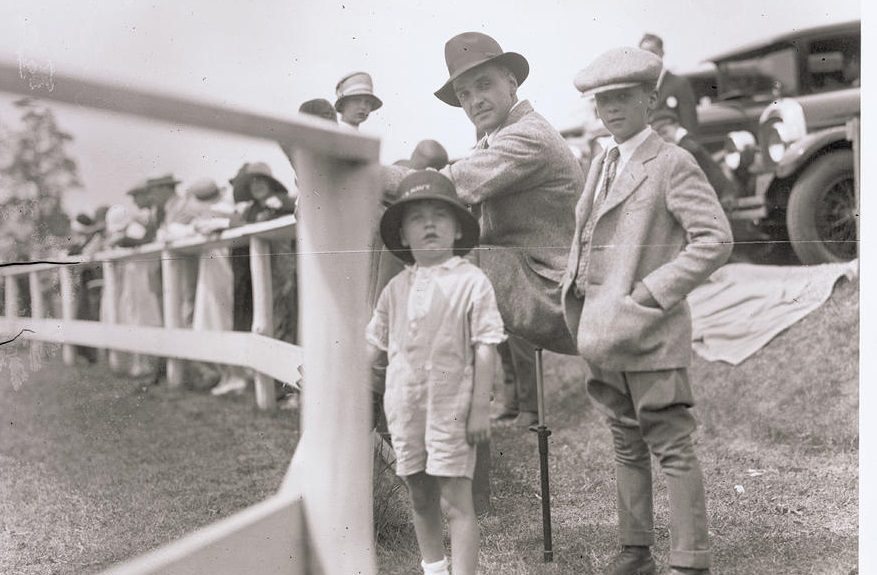
Marshall Field was born on August 18, 1834, in Conway, Massachusetts. His father was a local farmer, so from a young age, Marshall was taught the value of hard work. The Field family farm was located among mountains, making the soil unproductive and the family modest in means.
Despite their lack of wealth, Marshall’s parents believed that their children had great potential and could achieve success. With limited access to books and formal education, young Marshall still demonstrated a knack for business from an early age.
The Path to Success Begins
In his youth, Marshall Field learned a fundamental truth: the path to wealth begins with frugality. At 17, he and his older brother Joseph found work as clerks, marking the first step on Marshall’s journey to a major business career. Each earned only $10 a week.
Field’s work ethic and potential impressed his employer, who offered him a share in the business. However, Field declined and decided instead to follow his brother to Chicago, aiming to build his career in a new city.
In the mid-19th century, Chicago was far from the large metropolis it would become. Field secured a job as a clerk at the local dry goods store Cooley, Woodsworth & Co., one of the city’s largest wholesalers. Field’s career would become intertwined with the growth of Chicago itself.
Marshall quickly impressed his new employers with his meticulous attention to detail and unwavering work ethic. During his first year at Cooley, Woodsworth & Co., he even slept in the store each night. His dedication to the job caught the attention of company leadership, and by 1862, Field had become a partner in the firm. Later, strained relations with his partner, John Farwell, led to Field taking full ownership of the business.
The World’s Largest Department Store
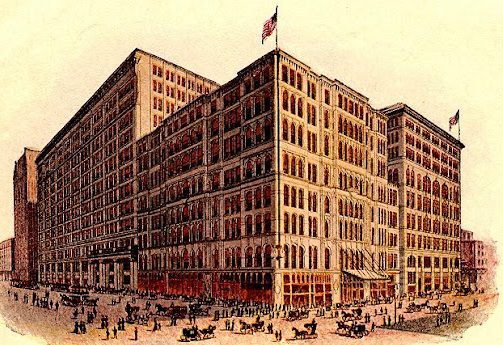
The future network of department stores began with a single shop in Chicago in 1852, owned by local businessman Potter Palmer. In 1865, Palmer offered Levi Ziegler and Marshall Field a partnership in the new company, Field, Palmer & Leiter.
Field soon took the reins, introducing innovations that were revolutionary at the time. His business focused on comprehensive, quality customer service.
In 1876, Field purchased his partners’ shares, becoming the sole owner. He opened his department store, “Marshall Field & Company,” which would go on to become the most successful store in the United States due to its innovative approaches.
The store offered an extensive range of products and services. Field was one of the first to introduce a grocery restaurant within the store, a children’s room, a relaxation area, and even a library.
Women staffed the sales positions to create an inviting, friendly atmosphere. Marshall Field’s department store was also the first to introduce delivery services and allowed customers to exchange or return items.
Goods for the department store were sourced from Asia and Europe. Field owned a spinning mill that produced goods exclusively for his stores.
Thanks to these innovations, the store’s profits tripled, making it one of the most successful retail businesses in the country. Field is credited with coining the phrase, “The customer is always right.” Despite his progressive ideas, he opposed demonstrations and workers’ unions.
The Field Museum of Natural History
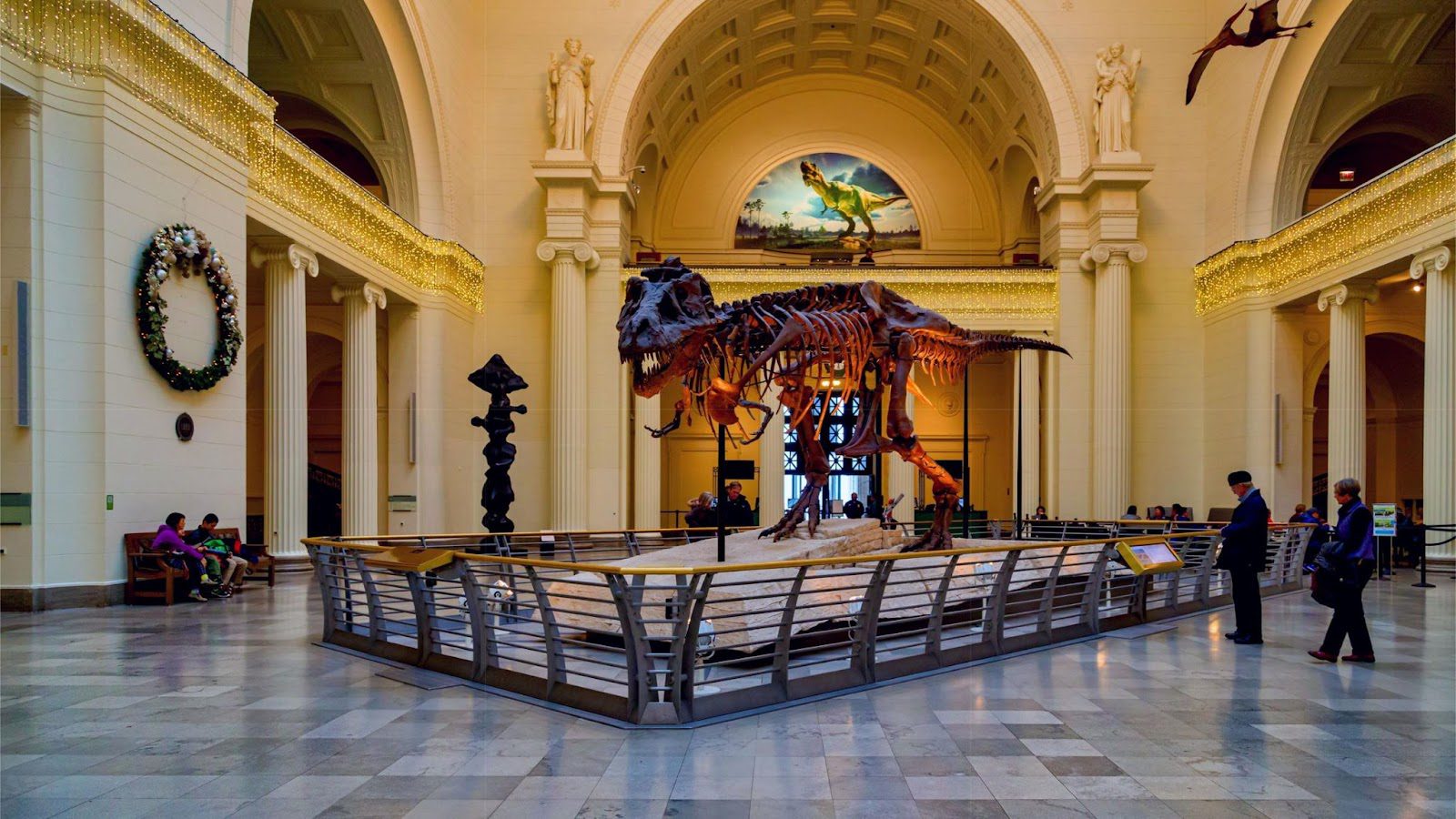
Marshall Field was the founder of the Field Museum of Natural History, which remains one of the largest cultural and educational institutions in the world.
The museum’s roots lie in the 1893 World’s Columbian Exposition in Chicago, where a collection of over 65,000 artifacts was first displayed.
Initially named the Columbian Museum of Chicago, it was renamed the Field Museum of Natural History in 1905. Field donated $1 million for its construction. The museum opened to the public in 1921.
The museum’s collection includes over 40 million artifacts from various historical periods, including items from prehistoric eras, Ancient Egypt, and China. One of the museum’s main attractions is the skeleton of a Tyrannosaurus rex discovered in 1990 in South Dakota.
The museum’s most popular exhibits include a taxidermy collection featuring African elephants and man-eating lions, a dinosaur exhibit in the “Evolving Planet” hall, a “Ancient Americas” collection showcasing Native American artifacts from Illinois, and ancient artifacts from Egypt and Tibet.
Secrets of a Successful Businessman
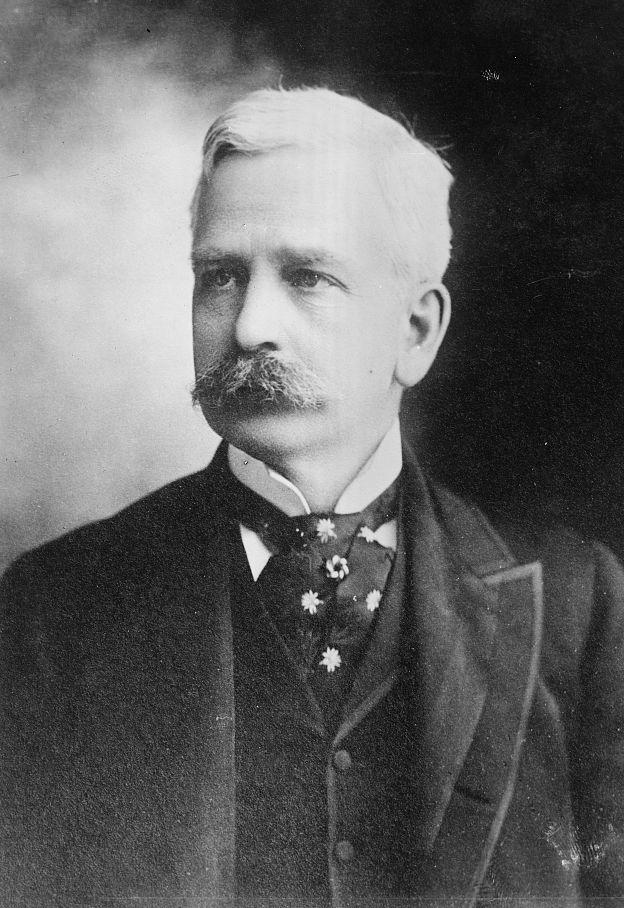
When Marshall Field moved to Chicago, the city had a population of less than 84,000. The entrepreneur lived through the devastating Great Chicago Fire of 1871, which destroyed much of the city. Rather than deter him, the tragedy made Field even more resilient and determined.
Field’s business philosophy was built on three core principles: fair competition, persistence, and honest cooperation. He avoided risky and impulsive decisions, believing that working hours should not exceed set limits. However, he expected employees to give their best during work hours.
One of the pivotal moments in Field’s business journey was his early savings of $5,000, amassed from his modest clerk’s salary. This financial cushion allowed him to seize opportunities as they arose.
Honesty and thriftiness were the pillars of Field’s business philosophy. He believed every product should meet its description, and that customers should feel secure and confident while shopping.
Although Field was not a strong advocate for mandatory higher education, he valued practical experience and knowledge. He encouraged young people to learn the basics of business early.
Even after retiring, Field did not see it as the end of his life but as an opportunity to devote more time to meaningful work.
Field left his heirs a $125 million estate and a thriving corporation. He also made generous donations to the University of Chicago and the Columbian Museum, later renamed the Field Museum of Natural History. Field’s legacy continued through his descendants: his grandson, Marshall Field III, founded the “Chicago Sun,” while his children owned “Chicago Daily News” and “Sun-Times.”