

The John Crerar Library is one of the most renowned research libraries not only in Chicago but also in the United States. Its collections include publications in medicine, biology, physics, and general sciences. Although it is privately owned, the library is open to any citizen seeking to deepen their scientific knowledge, as reported by “chicago1.one”.
Founder of the Library: John Crerar
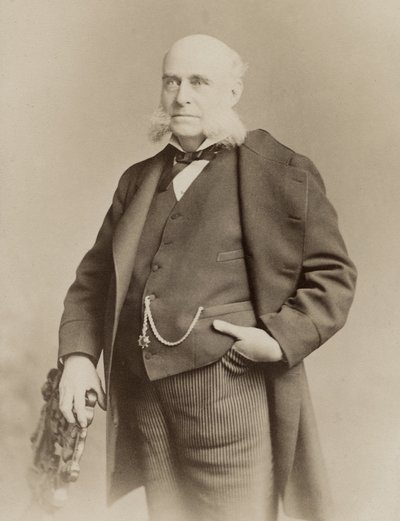
John Crerar was born on March 8, 1827, in New York City, to a family that had emigrated from Scotland. At the age of 29, he began working for Morris Jesup, who owned a railway supply business. Over time, Crerar became Jesup’s business partner.
In 1862, during a business trip, Crerar visited Chicago, and the city left a strong impression on him due to its beauty and immense business potential. Deciding to settle there, he became head of the “Crerar, Adams & Company.”
As Chicago continued to grow, evolving into a major railway hub and distribution center, Crerar quickly rose to prominence, becoming a key businessman and helping to establish new railways while holding shares in many major Chicago companies. Notably, he was a founding member of the Pullman Palace Car Company, where he served on the board of directors for most of his life.
Recognized as an honorary citizen of Chicago, Crerar actively participated in civic matters, focusing on initiatives that would aid in the city’s development. Following the Great Chicago Fire of 1871, which destroyed much of the city, New York’s Chamber of Commerce appointed him as director to oversee funds sent to aid in the city’s reconstruction.
Crerar also took a keen interest in education and culture, founding the Chicago Manual Training School and holding positions in various organizations, including the Historical Society, a literary club, an orphanage, and the American Sunday School Union.
Above all, Crerar had a lifelong passion for books. During his time in New York, he served as president of the Commercial Library.
The Library Bequest
Despite his busy schedule and active involvement in Chicago’s cultural life, Crerar led a modest, quiet life. In 1866, he wrote a will, leaving a significant portion of his wealth to his relatives and friends, with additional funds designated for philanthropic causes, including the construction of a monument to Abraham Lincoln.
The remaining funds were allocated to establish a public library in Chicago, which would be free for city residents. However, Crerar specified in his will that the library’s collection should adhere to strict standards, prohibiting French boulevard novels, skeptical literature, and other questionable works.
The esteemed businessman passed away in Chicago at the age of 62, in a city he considered home. His memorial service was held in Chicago’s Central Music Hall, which could barely accommodate the crowd that came to pay their respects.
The Library’s Opening
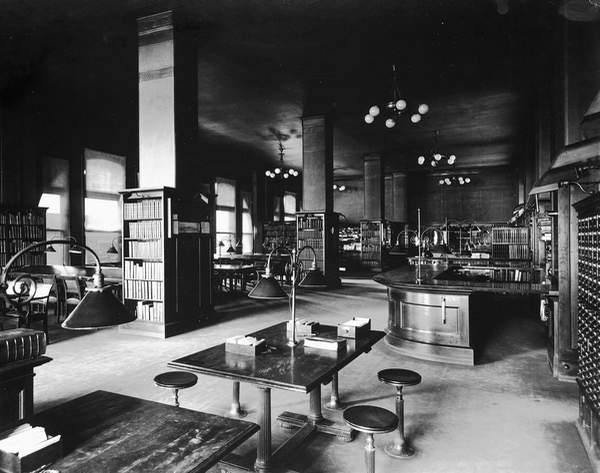
In his will, Crerar left over $2 million to establish a library. His primary aim was to foster moral and Christian values within the community. To differentiate it from other Chicago libraries, the new library focused exclusively on scientific literature.
Initially, the library’s collections were limited to the history of science, later expanding to include medicine. By 1951, it featured works on technology, medicine, and modern sciences.
In 1891, Crerar’s friends took steps to protect the library from governmental influence by passing legislation that governed the establishment of free public libraries in towns and cities. The library officially opened to the public in 1894.
Originally housed in the Marshall Field building, the library moved into its own building 28 years later. As the collection grew, the need for a larger space became apparent. Plans for a 16-story building on Michigan Avenue were underway by 1919, but World War I delayed construction, and the library eventually opened in its new location at a later date.
By the 1950s, the library’s collection had expanded significantly, prompting a merger with an educational institution. In 1970, the library’s administration dissolved its agreement with the Illinois Institute, merging with the University of Chicago’s collection. In 1984, the library moved to a new building, and, following the merger, its combined collection exceeded 900,000 volumes, making it one of the largest in U.S. history.
The Library’s Most Famous Sculpture
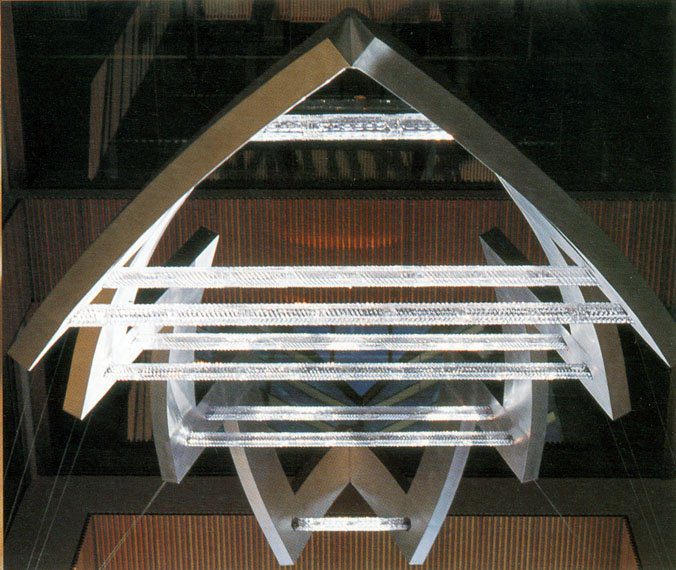
One of the library’s most iconic sculptures is “Crystara.” Created by artist John Mooney in 1984, this piece was commissioned by the University of Chicago specifically for the John Crerar Library.
Suspended from one of the atrium windows, “Crystara” features eight hexagonal crystal bars mounted on an aluminum frame, crafted from over fifty individual pieces by a team of glassmakers at a Waterford factory.
The sculpture’s prism effect refracts natural light entering the atrium, creating a harmonious balance of light and shadow.
Fascinating Facts About the Crerar Library
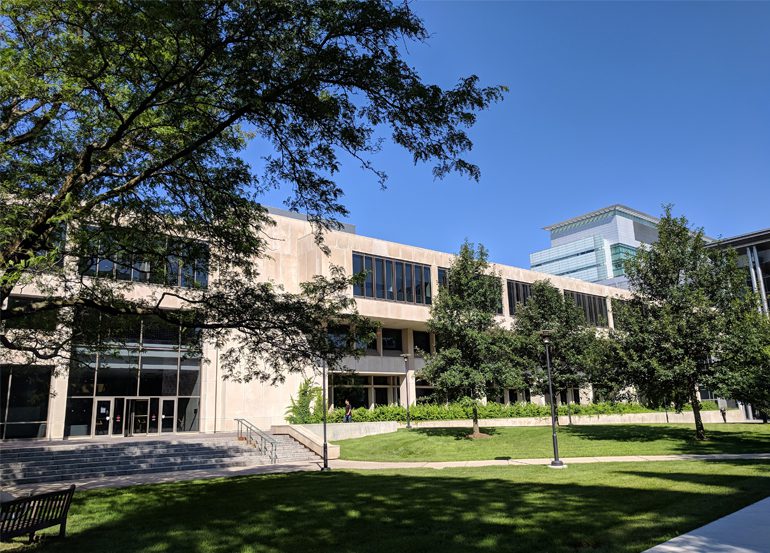
The Crerar Library is not only a repository of a vast book collection but also a center for scientific research. Its striking architecture attracts book lovers from around the world.
In total, the library holds approximately 1.5 million volumes, including books, scientific works, journals, research studies, and rare manuscripts.
Notably, the John Crerar Library is equipped with a digital media lab, providing students and researchers with access to multimedia production and data visualization resources.
The library is positioned as a research institution, housing specialized scientific collections in disciplines such as chemistry, biology, geology, and physics. It also features a unique collection of historical scientific instruments.
Committed to accommodating all visitors, the Crerar Library offers a range of study spaces suited to various learning styles, from quiet reading rooms to collaborative spaces for group study.
The library even has a dedicated area for studying atlases and maps, providing access to topographic and historical maps, along with extensive resources in geography for those with a passion for the subject.