

One of the most renowned educational institutions in the city is the University of Chicago (UChi). Its history dates back to 1890. Its main area of activity is scientific research. According to chicago1.one, the opening of the university had a significant impact on the further development of academic disciplines.
John Rockefeller – founder of the University
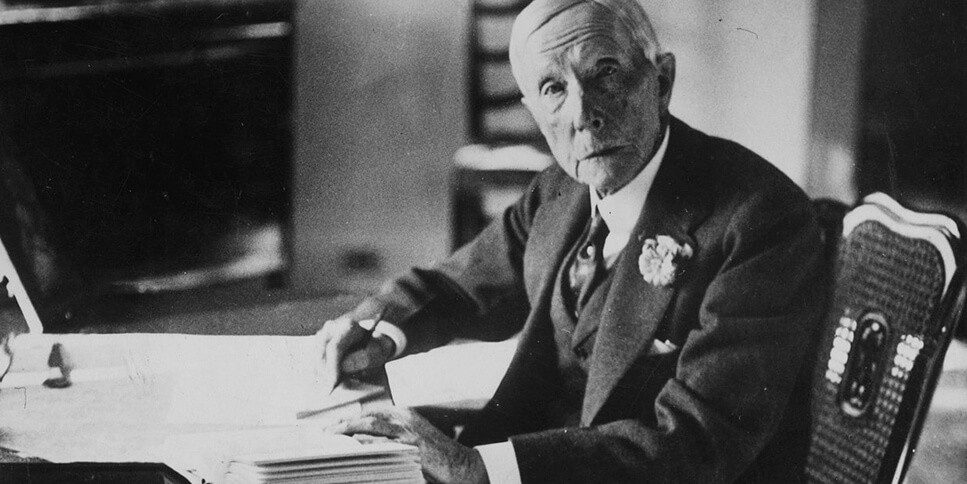
The University of Chicago was officially registered as a secular coeducational institution in 1890. The American Baptist Education Society was its founder. In particular, in the early years of its operation, the establishment was financially supported through donations from oil magnate John D. Rockefeller.
The new institution was created to replace the Baptist university, which was closed in 1886 due to lack of funds.
UChi was to become a prototype of German research universities. William Harper became its first president. The founders expected that he would enhance the support of Christianity in the Midwest. The educational institution also promoted scientific research.
Merchant Marshall Field donated the land plot for the construction of the university. A campus built on 10 acres of land in Hyde Park resembled the universities of Cambridge and Oxford.
Organization of studies at the university in the early 20th century
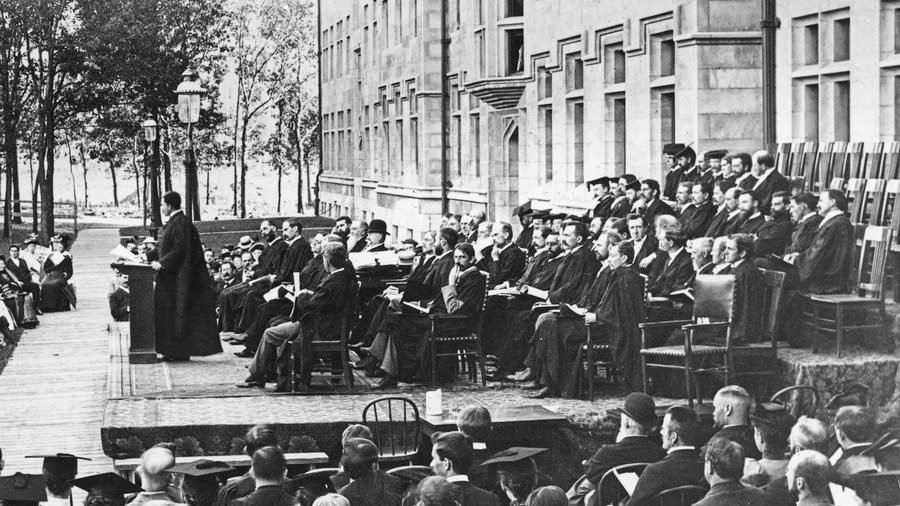
Initially, children of small traders studied at UChi. Most of them were girls. Such a tendency caused concern among the management of the academic establishment. Therefore, the admission of women to the university and their study with men were restricted.
To raise the prestige of UChi, president Harper invited professors and scientists from all over the world. With the assistance of scholars, a philosophy department was opened at the university. The law school at UChi gained the status of the most influential in the US because they were the first to start racial and ethnic studies, as well as detailed research into urban communities.
The university directly influenced urban reform in Chicago and the organization of municipal management. A business school and a law school were also established at the institution.
One of the innovations introduced by Harper was the university extension program based on a similar program in Great Britain. It provided the opportunity for students, including adults, to study outside of the institution and on a part-time basis.
After the death of Harper in 1906, the university was headed by three more presidents until 1929. During this period, the Oriental Institute was opened, whose activities included conducting and supporting archaeological excavations.
Affiliation of the University of Chicago with colleges and schools
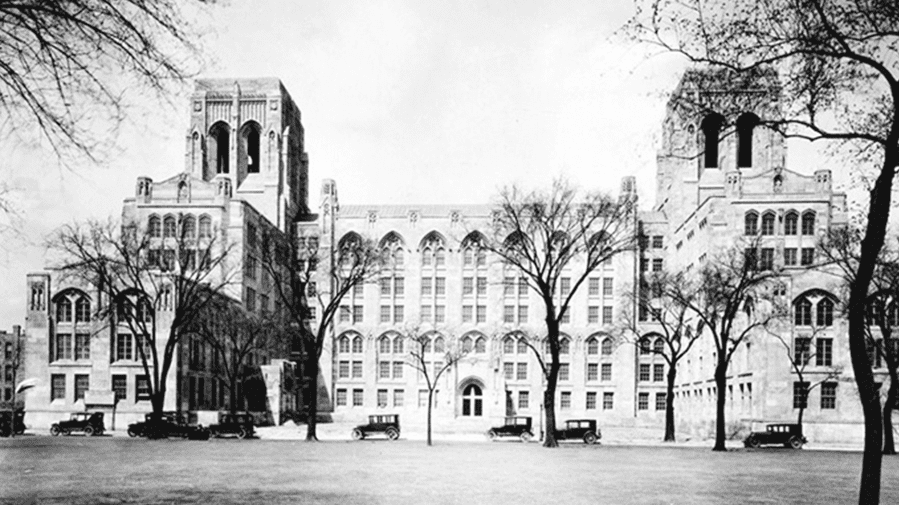
UChi had accumulated an extensive material and scientific foundation by 1890, which made it a major competitor to smaller colleges and schools. That is why the university joined several regional colleges and schools to avoid causing substantial damage to smaller educational establishments.
An accession agreement concluded with the teaching facilitys ensured the availability of training courses similar to university ones. The recruitment and dismissal of teachers was also coordinated with the university according to the agreement. In return, UChi agreed to recognize the diplomas of graduates of subsidiary establishments, but only if a student received excellent grades during four years of study.
The university provided necessary books and scientific resources to its affiliated colleges and schools. The new reform was not supported by all teachers. Some professors expressed their indignation because they had to do additional work for free. As a result, the program did not last long and was closed by the university in 1910.
The presidency of Robert Maynard and his reforms
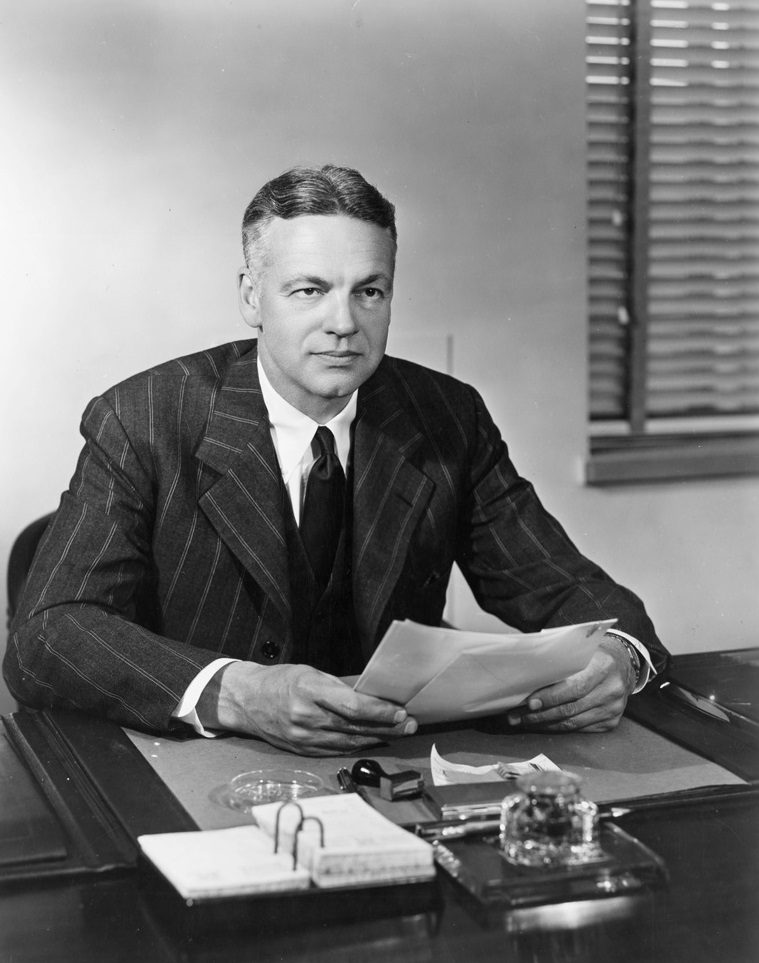
In 1929, Robert M. Hutchins became the head of the university and held this position until 1954. His main reforms were aimed at excluding football from the curriculum of the educational institution. Thus, he tried to focus on scientific activity rather than sports.
Hutchins initiated the introduction of a liberal arts program. In 1933, the university’s president proposed to merge Northwestern University with the University of Chicago. However, the idea was unsuccessful and did not bring the targeted result.
In addition, during Hutchins’ presidency, the construction of a university hospital for medical students was completed.
Scientists at UChi were the first in the world to discover the phenomenon of artificial nuclear reactions and isolate plutonium. But during the Great Depression, the establishment experienced financial difficulties and would not have survived without the support of the Rockefeller Foundation.
Activity of the university at the end of the 20th century
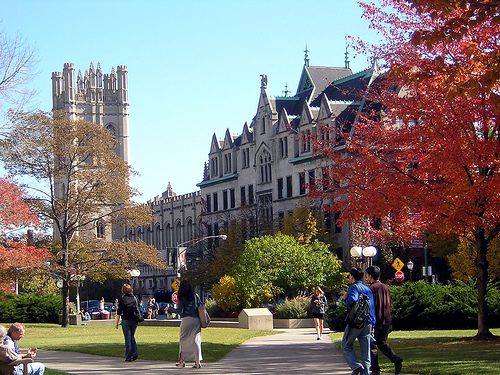
From 1950, the number of students at UChi steadily declined, mostly because of the rise in crime in the Hyde Park area where the university was located.
To improve the situation, the university management decided to renovate the park. These innovations later changed the appearance of buildings and street layout in this district.
In 1969, a large-scale disturbance swept over the university. UChi’s administration made a decision to fire a favorite student professor, Marlene Dixon. Several hundred students blocked the entrance to the administration for two weeks. Consequently, 42 protesters were expelled from the educational establishment and another 81 were suspended.
In 1978, Hanna Gray became president of UChi. She remained in office for the next 15 years. From the 2000s, a number of massive projects were launched at the institution. Simultaneously, new buildings were being constructed, each of which cost $100 million.
In particular, a new hospital, a scientific center, the Knapp Center for Biomedical Discovery, a business school and the Gerald Ratner Athletics Center were later opened.
The main campus of the university
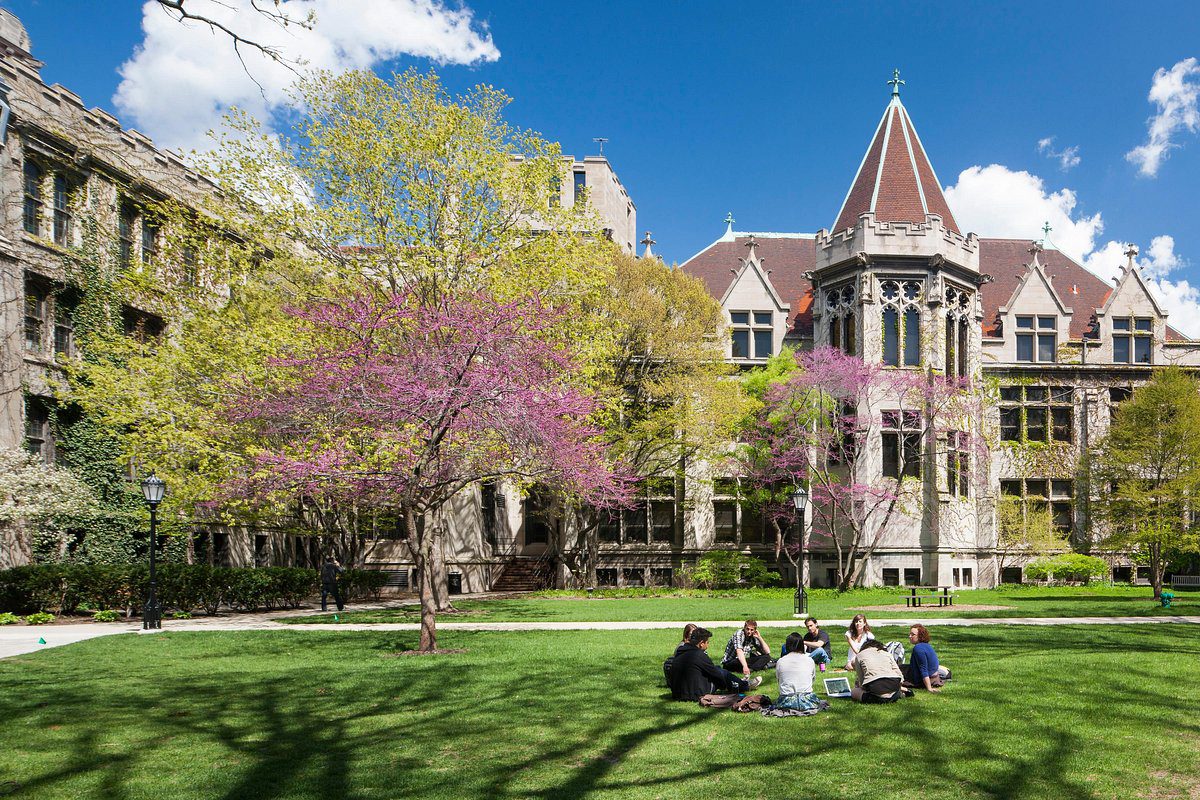
The main campus of the university is situated in Hyde Park and covers an area of 211 acres. The academic building is divided by the large Midway Plaisance park, founded in 1893.
It should be added that in 2011, the university was included in the list of academic institutions with the most beautiful campus. UChi, like the University of Oxford, is built in the Gothic style. The first campus buildings, also known as the Main Quadrangles, were designed by local architect Henry Cobb. The quadrangles combine the styles of Collegiate and Victorian Gothic architecture.
From 1940, the campus began to be gradually updated. In 1955, UChi included art buildings, the School of Social Service Administration, the Harris School of Public Policy Studies and the Regenstein Library, which is the largest building of the establishment.
In 2011, the construction of a new glass-domed library named after Joe and Rika Mansueto was completed.