

The name of Chicago-based science fiction writer Robert Bloch is well-known to many. He began his career emulating H.P. Lovecraft and went on to create over 30 novels and hundreds of short stories, earning him numerous prestigious literary awards, reports chicago1.one.
Childhood and Youth
Robert Bloch was born on April 5, 1917, in Chicago to Jewish parents, Raphael and Stella. When he was five, the Bloch family moved to Maywood, a suburb of Chicago, where Robert began attending Emerson Grammar School.
His teachers quickly noticed that Robert was mature beyond his years. At just eight, he had the knowledge of a twelve-year-old. As a reward for his academic achievements, his teachers granted him access to the “adult” section of the Maywood Library, where he proudly delved into various literature.
In his early childhood, Robert enjoyed drawing with pencils and watercolor, but vision problems prevented him from further developing his artistic talents.
In 1929, the family relocated to Milwaukee, Wisconsin. There, Robert enrolled at Lincoln High School, where he met Harold Gauer, who would later become the editor of the literary magazine The Quill. Bloch made his debut with his work The Thing in this publication. In 1934, during the Great Depression, Robert and his peers completed their education.
Writing Career
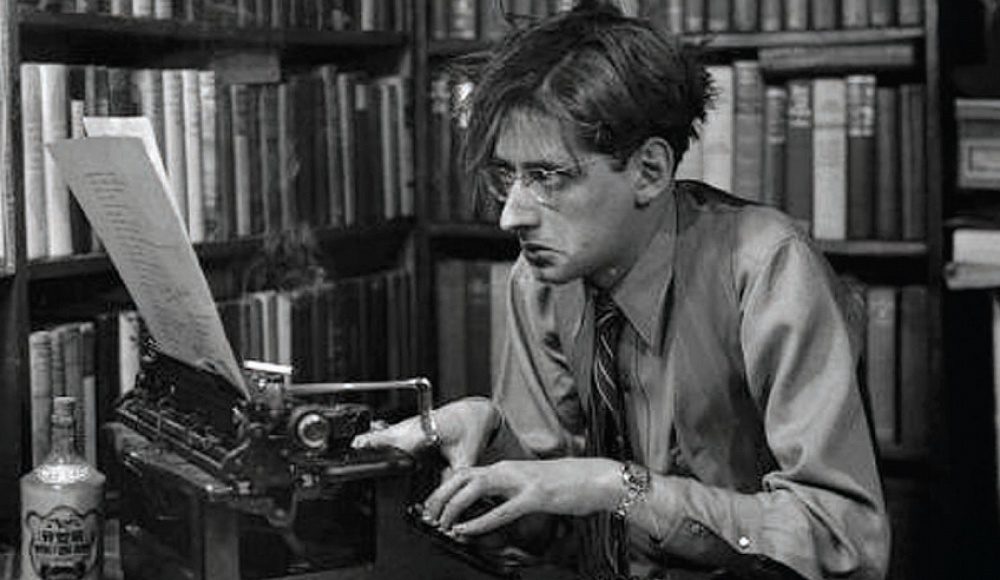
At the age of ten, Robert first read Weird Tales, where he came across an article by science fiction writer H.P. Lovecraft. So captivated by it, he wrote a letter to Lovecraft, asking him to send more stories to the publication. Robert even sent his own work to his idol, sparking a long correspondence between them.
In 1934, the name Robert Bloch appeared in Weird Tales. Although most of his works initially mirrored Lovecraft’s style, he became one of the magazine’s most popular writers. His themes broadened over time, exploring religion, black magic, and demonic possession.
Robert began publishing his truly original short stories in 1943, including Your Friend, Jack the Ripper. Other popular titles from this period include The Iron Mask (1944) and The Skull of the Marquis de Sade (1945).
By 1945, Bloch’s stories had reached radio prime time. He recorded 15-minute audio versions of 39 of his best tales, though unfortunately, none of these recordings have survived.
In 1947, Bloch wrote the unique novel The Scarf, about a writer named Daniel Morley who used women as inspiration and then killed them by strangling them with a scarf.
In 1954, Bloch published novels like The Spider Web, The Kidnapper, and The Will to Kill, just before reaching his greatest success.
In 1959, Bloch received the Hugo Award for Best Short Story for That Hell-Bound Train (1958). That same year, he published Psycho, which soon became a bestseller. In 1960, Alfred Hitchcock adapted the novel into a film.
Bloch then began writing for cinema, starting with scripts for supernatural TV series and eventually moving on to feature films.
While cinema attracted him, it never fully claimed Bloch; he remained loyal to literature, continuing to delight his fans with fascinating and often eerie stories.
Personal Life
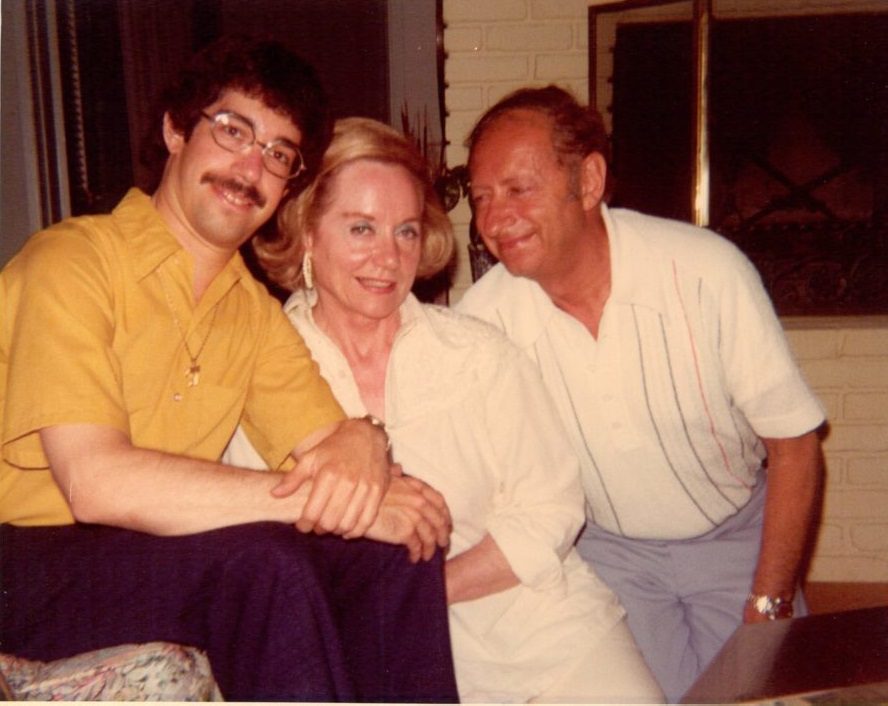
Robert Bloch was married twice. His first wife was Marion Ruth Holcombe. Some sources suggest that their marriage was a strategic move to keep Bloch from being drafted into the army. In 1943, the couple had a daughter, Sally. However, after 20 years of marriage, they ended their relationship, unable to cultivate true love. Interestingly, Sally stayed with her father.
Bloch later fell in love with Eleanor Alexander, a widow and former model. They married in 1964 and remained together for the rest of his life.
In 1994, after a prolonged battle with cancer, Robert passed away. His body was cremated, and his ashes were buried in a Los Angeles cemetery beneath a grave marker resembling a book. His wife outlived him by 13 years.
The books penned by this remarkable writer continue to captivate readers around the world.