Count Juan Raphael Dante, better known simply as Count Dante — or by his birth name, John Keehan—became one of the most enigmatic and famous figures in the American martial arts world of the 1960s and 1970s. His name is synonymous with extraordinary karate skill, unparalleled self-promotion, and the dramatic, often violent, conflicts between rival martial arts schools. Read more on chicago1.one.
Biography
John Keehan was born on February 2, 1939, into an affluent Irish-American family in Chicago’s Beverly neighborhood. His father, Jack, was a physician and the director of Ashland State Bank, while his mother, Dorothy, occasionally appeared in the social pages of the Chicago Tribune. Although he was a scrawny teenager, life quickly taught him to fight: after an intruder broke into their home and the young John tried to fight back, he was severely beaten. His father decided John needed protection and enrolled him in boxing classes under Johnny Coulon, a renowned Irish-American boxer who had been the World Bantamweight Champion in the 1910s. Coulon’s gym was an equalizer; he made anyone who objected to training with Black athletes step into the ring with them. This environment made Keehan more open to different cultures and shaped his unique sense of justice in combat. After high school, he joined the Marine Corps Reserve and served in the U.S. Army, where he mastered hand-to-hand combat. However, military discipline was not for him. Keehan deliberately violated regulations, stole vehicles, filed false reports, and even went AWOL. In 1960, he was ultimately discharged from the military.
Martial Arts Career
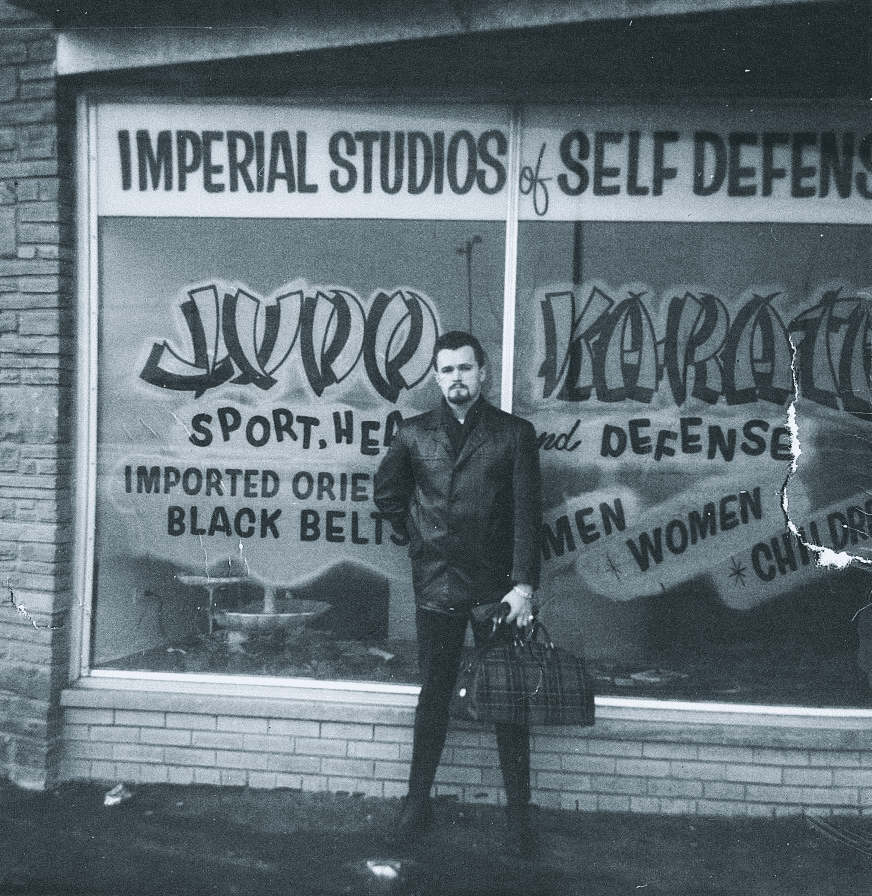
Returning home, Keehan decided to dedicate his life to martial arts. He began training under Robert Trias, the “father of American karate,” who had opened the first karate school in the U.S. back in 1946. Keehan regularly traveled from Chicago to Phoenix, renting cheap motel rooms and training all day long. By 1962, he had opened his own school, the Imperial Academy of Fighting Arts. One location was in his native Beverly neighborhood, and another was on Rush Street, then the heart of Chicago’s nightlife. His students were predominantly working-class men and young men from the outskirts. Keehan blended Coulon’s boxing methods with karate techniques, teaching a tough, practical, and street-ready style. He quickly began building an image as a brazen coach and a flashy personality.
In Chicago, Keehan served as the director for the United States Karate Association (USKA) until 1962. However, Keehan was no “ordinary” karate enthusiast. He loved making bold claims, including fabricating stories about participating in guerrilla warfare in Cuba. His high ambition soon led to a conflict with Trias. In 1964, he was expelled from the USKA. The official reason cited was “incompatible personalities,” but Keehan himself claimed he was punished for training African-American students. This break gave him complete freedom—and that’s when his new, controversial persona began to emerge.
Keehan quickly gained notoriety in the karate world. Alongside Trias, he organized a large tournament in Chicago in 1963, followed by an even bigger one at the Chicago Coliseum the next year. But the ideological rift between student and teacher deepened. Trias advocated for non-contact sports competitions where technique was prioritized. Keehan, conversely, believed that true skill could only be proven through real, full-contact combat. He aggressively awarded Black belts to African-American students, which irritated more conservative figures in the martial arts community. Keehan ultimately formed his own organization, the World Karate Federation, which permitted brutal, full-contact bouts. His Black Dragons students underwent extraordinarily harsh tests, including brawls against multiple opponents in dark rooms and fights in bars. Keehan began developing his own system, “Dan-te,” or the “Dance of Death” (sometimes Kata-Dante). His goal was to create the most effective system of self-defense possible, claiming that by mastering all elements of the “Dance of Death,” a student would become a true martial arts master.
“The Deadliest Man Alive”
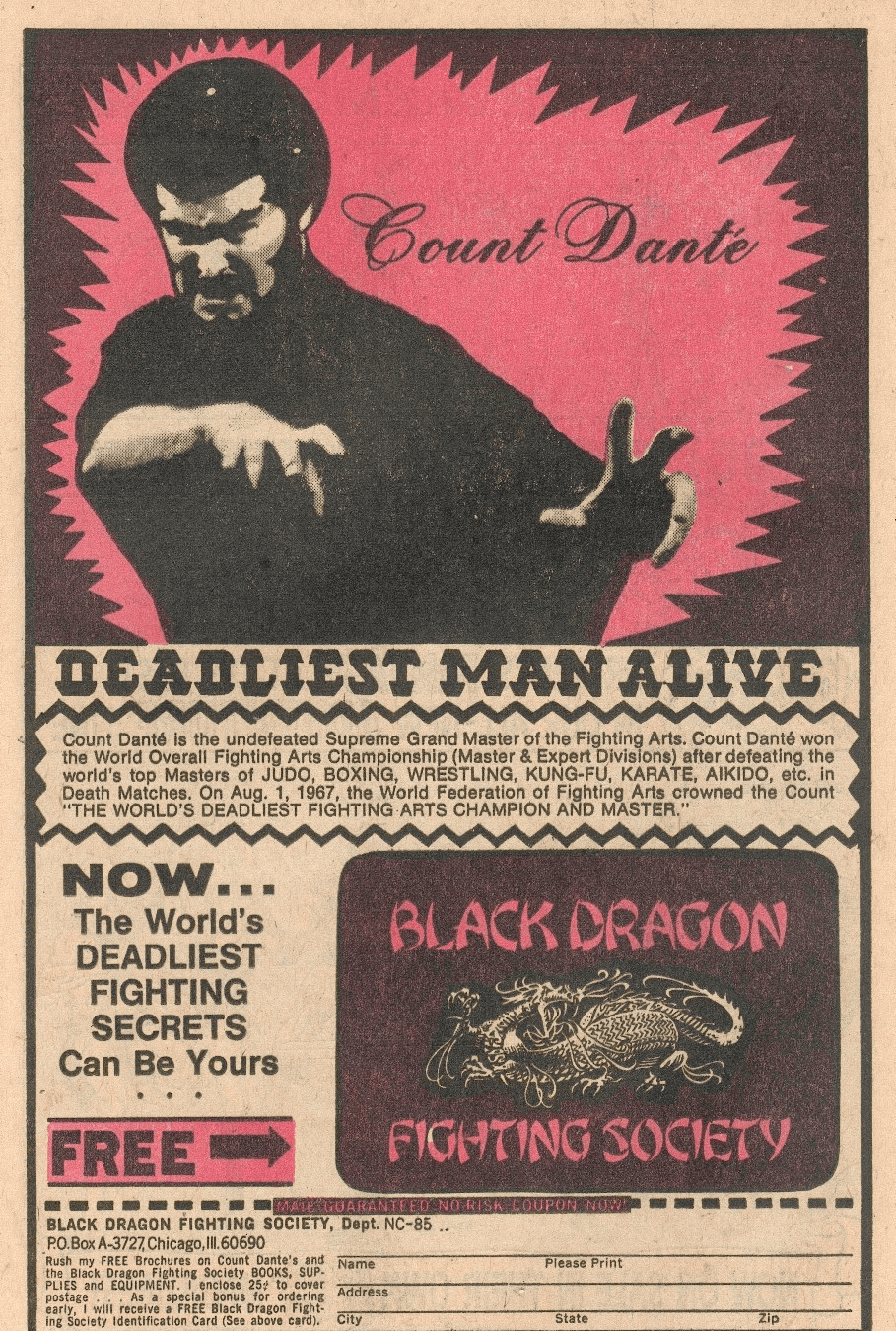
In 1967, Keehan officially changed his name to Count Juan Raphael Dante, explaining the move as a desire to hide his parents’ supposed noble Spanish heritage. He was no longer just an Irish kid from Chicago. He constructed a mythical biography for himself: a descendant of refugees from the Spanish Civil War, a hardened warrior. While he also worked as a hairdresser, his main focus was building his brand. His iconic comic-book advertisements, emblazoned with the caption “THE DEADLIEST MAN ALIVE,” appeared in magazines and quickly became legendary. He sold booklets featuring the “world’s deadliest fighting secrets” and established the Black Dragon Fighting Society, a semi-secret organization that attracted young people seeking exotic thrills. Dante understood the power of showmanship: he was known for walking a pet lion through the streets of Chicago, claimed he challenged Muhammad Ali to a fight, and convinced his followers that he possessed the forbidden “Death Touch” (Dim Mak) technique.
He sold instructional manuals titled “World’s Deadliest Fighting Secrets,” describing the “Dance of Death” method and issuing membership cards in the Black Dragon Fighting Society. The advertisements promised unbelievable lethal effectiveness, claiming the method could defeat several experts simultaneously.
Dante’s success was undeniable—at least in terms of notoriety. He opened two dojos, and his name was known even in Europe. But everything collapsed on one night in 1970. Dante and his students marched to the rival Green Dragon Hall to “settle some differences.” The brawl ended in tragedy: his close friend, Jim Koncevic, was killed by a sword and spear during the fight. This incident shattered Dante’s life. Although all charges were eventually dropped, his reputation was ruined. After the tragedy, Keehan tried to earn a living through various ventures, including opening a car dealership and selling hot dogs at the stadium. His name even surfaced in criminal investigations, including the case of the largest safe deposit box robbery in U.S. history, though he was never charged. Nevertheless, the former “Count Dante” increasingly plunged into trouble: alcohol, debt, and isolation.
Legacy
In 1975, Dante admitted in an interview, “I want people to forget me.” A few months later, he was found dead in his apartment from internal bleeding caused by ulcers. He was just 36 years old. But forgetting him proved impossible. Count Dante remains in history—a vivid myth that blended show business, martial arts, and tragedy.
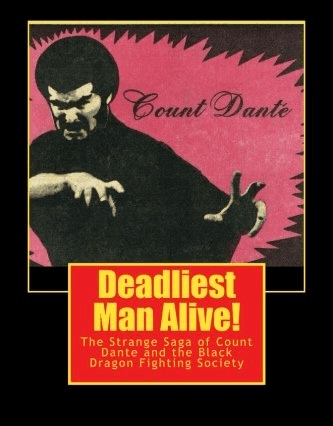
His life left a significant mark on U.S. pop culture. His fighting method, the legends of the “Dance of Death,” and his numerous self-promotional comic book ads cemented him as a figure symbolizing the era of full-contact karate and the martial arts cult in the U.S. Count Dante became an icon of American martial arts, leaving behind legends, books, training methods, and fan communities that continue to honor his name. In the 21st century, the conversation focuses less on Dante’s karate technique and more on his persona. He has become a symbol of self-promotion, spectacle, and at the same time, the inherent danger of a self-made myth. His story inspires researchers and artists. Since 2004, director Floyd Webb has been working on the documentary “The Search for Count Dante,” which aims to reveal the truth and the legend of this enigmatic figure. His story is both a cautionary tale and a legend, as the very fabricated image of the “Deadliest Man Alive” ultimately destroyed his life.