

The Latin School of Chicago is one of the oldest and most prestigious private schools in the United States. Located in the Gold Coast neighborhood on Chicago’s Near North Side, it has spent over a century shaping the country’s intellectual and cultural elite. The institution seamlessly blends classical liberal arts traditions with modern pedagogical approaches, maintaining its reputation for rigorous academic standards and a rich historical legacy. Learn more at chicago1.one.
Founding of the School
The Latin School of Chicago was founded in 1888 by educator Mabel Slade Vickery. The initiative came from a group of parents who wanted to provide their children with a high-quality education centered on intellectual development and classical values. The first classes were held in private homes in North Chicago and consisted of only ten students—all ten-year-old boys. As enrollment grew, the school expanded, securing its own dedicated building by the late 19th century. It was during this period that the institution officially began operating as the Chicago Latin School.
In 1913, at Mabel Slade Vickery’s initiative, a separate division for girls was established, known as The Chicago Latin School for Girls. For several decades, the boys’ and girls’ schools operated in parallel until they merged in 1953 to form the coeducational Latin School of Chicago.
From the beginning, the school’s educational philosophy was rooted in the classical tradition, focusing on an in-depth study of the humanities. Latin and Ancient Greek held a special place in the curriculum, which eventually gave the school its name. Latin is still taught in the middle and upper schools today, remaining a vital component of the institution’s academic identity.
Educational Infrastructure
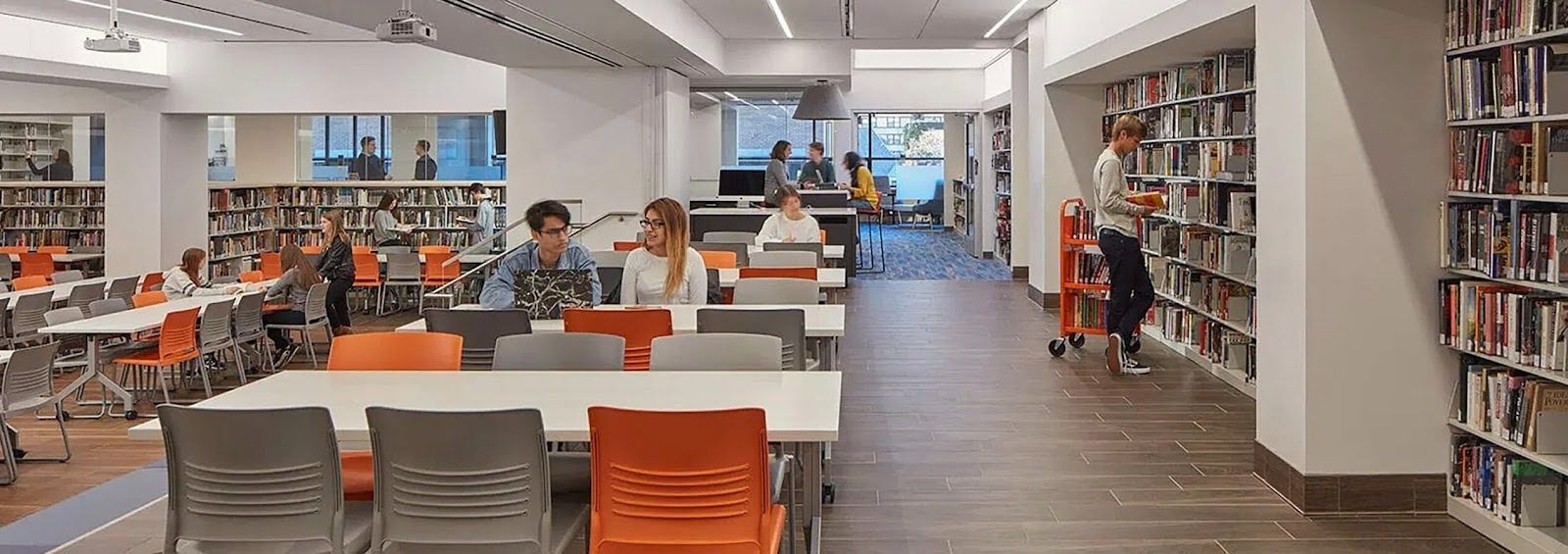
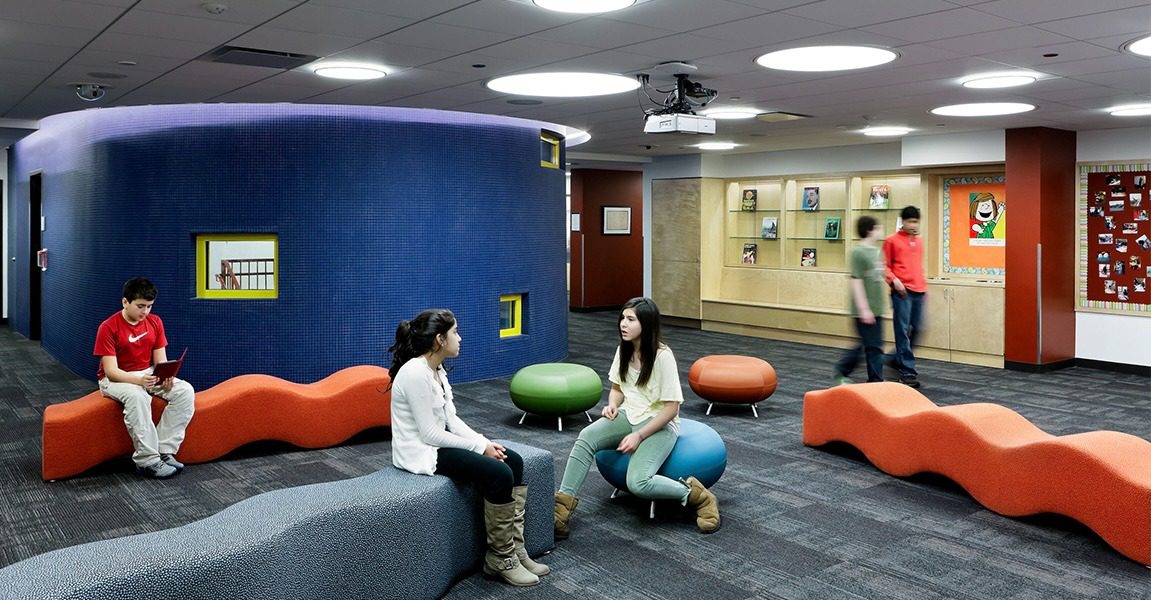
The modern Latin School of Chicago campus comprises three separate buildings located within close proximity to one another. The lower school building, serving students from junior kindergarten through fourth grade, dates back to 1926 and is the oldest part of the campus. The middle school received a new facility in 2007, constructed with sustainable materials and awarded the LEED Gold certification by the U.S. Green Building Council.
The upper school building was constructed in 1969, designed by the world-renowned architect Harry Weese. The middle and upper school buildings are connected by walkways, allowing for the efficient shared use of spaces dedicated to science, the arts, and physical education.
Latin School of Chicago serves over a thousand students from dozens of Chicago neighborhoods and surrounding suburbs. The average class size is approximately fourteen students, and the student-to-teacher ratio is among the lowest for private schools in the region. The curriculum includes more than 150 courses, including advanced and Advanced Placement (AP) levels. The school consistently maintains a 100% college acceptance rate. Graduates go on to attend hundreds of top-tier colleges and universities across the U.S. and the world, reflecting the high level of preparation and academic mobility fostered by the school.
Academic Disciplines and Student Life
Visual arts play a significant role in the school’s educational process. Students have access to specialized courses, creative studios, and gallery spaces. One of the most famous educational projects is “Mickey & The Masters,” where ninth graders reinterpret classical masterpieces of Western painting by integrating Mickey Mouse as a central character.
The school’s music and theater programs include numerous concerts, plays, and dance performances throughout the academic year. Both students and faculty participate, helping to foster a vibrant creative community.
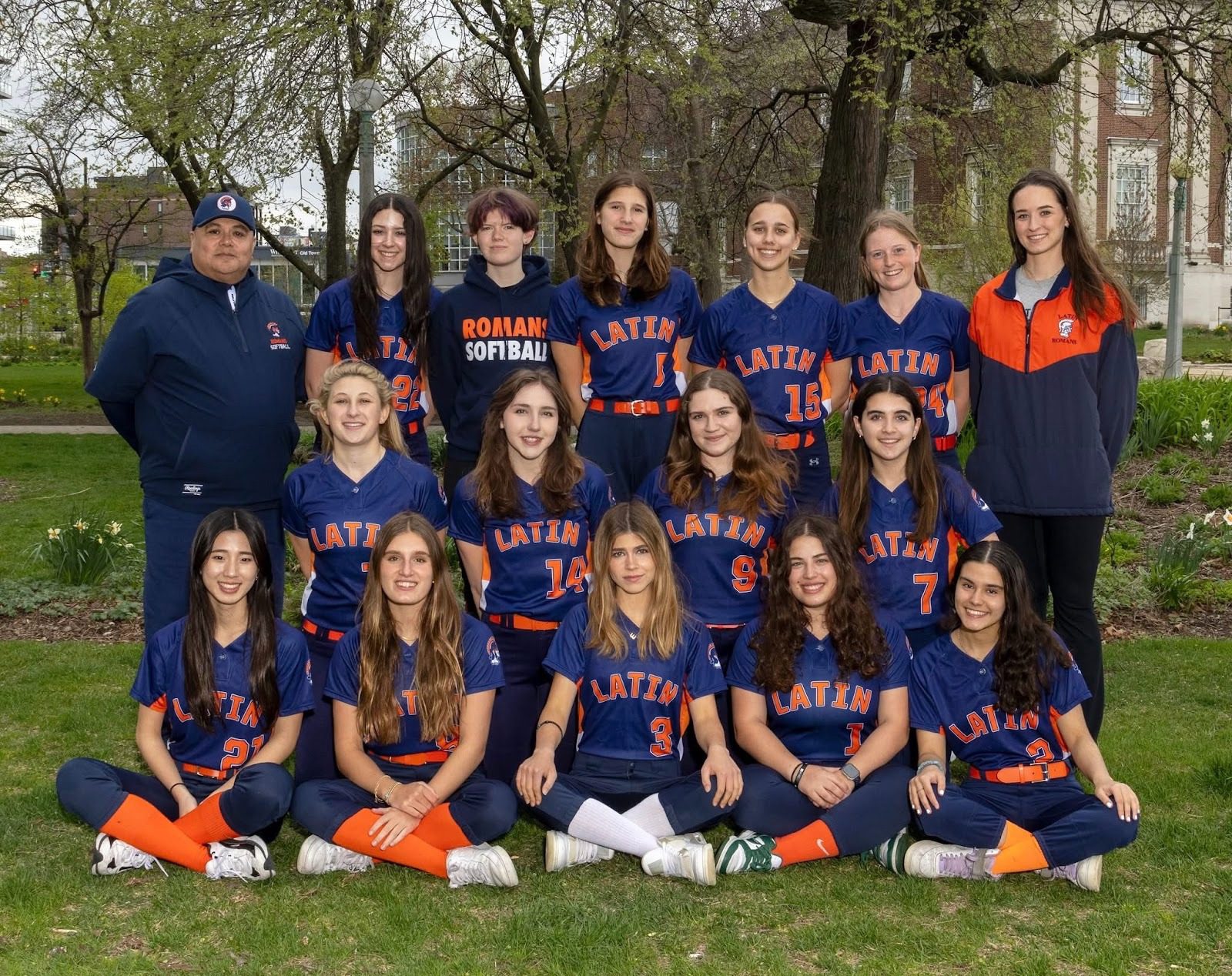
The Latin School of Chicago offers a wide range of clubs, student organizations, and affinity groups aimed at promoting inclusivity and social engagement. Students participate in academic, cultural, scientific, and civic initiatives that complement their formal education. The school’s athletic teams, known as the Romans, compete in the Independent School League. Students have the opportunity to engage in team and individual sports year-round, which helps develop leadership skills and physical endurance.
Among the alumni of the Latin School of Chicago are prominent figures in culture, science, politics, and business. The school produced Nobel Prize-winning economist Douglas Diamond, U.S. Supreme Court Justice John Marshall Harlan II, First Lady Nancy Reagan, and musician Roger McGuinn, as well as numerous actors, athletes, and public figures.
Today, the Latin School of Chicago remains a vital educational hub that bridges classical tradition with contemporary learning. Its history reflects the evolution of private education in the United States, and the influence of its graduates continues to be felt across many sectors of American and global life