

Northwestern Memorial Hospital is one of the leading medical institutions in Chicago and the entire United States, renowned for its long history, innovative approach to treatment, and high level of scientific research. It is a vast medical complex that brings together numerous clinics, educational, and research centers, providing highly specialized care for patients from all corners of the country. Read more on chicago1.one.
Founding the Hospital
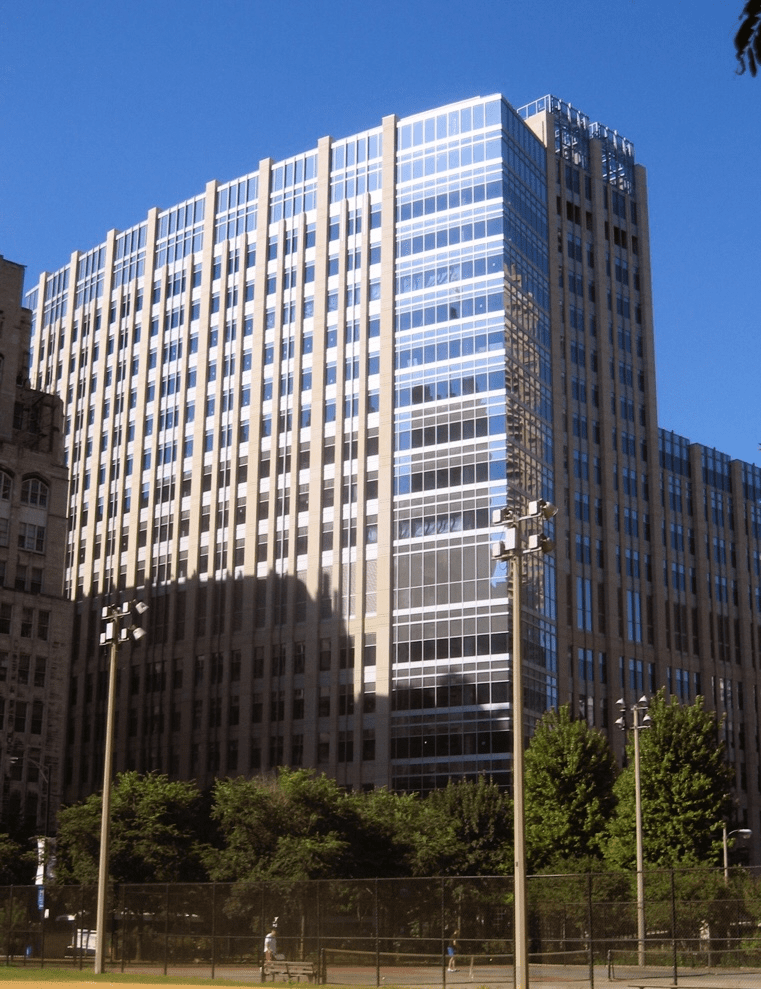
Northwestern Memorial Hospital’s roots trace back to 1865 when the Deaconess Hospital was opened in Chicago. It was founded by William A. Passavant and Lucy Rider Meyer of the Chicago Training School (later Garrett Theological Seminary). Initially, the facility had only 15 beds and admitted 75 patients in its first year, with most receiving free care. However, in 1871, the Deaconess Hospital was destroyed during the Great Chicago Fire, and reconstruction efforts failed due to a lack of funding.
In 1885, Passavant opened the Emergency Hospital on Superior Street to provide urgent care to local residents. Shortly thereafter, in 1888, the Wesley Hospital was established on Dearborn Street. This hospital set a precedent by affiliating with the Northwestern University Medical School for physician training.
Growth and Philanthropic Initiatives
In 1897, local women organized Passavant’s Woman’s Aid Society to fund the hospital’s operations, which was later renamed the Woman’s Board of Northwestern Memorial Hospital. By the early 20th century, both hospitals had expanded their capacity: Passavant to 65 beds and Wesley to 181 beds. In 1914, philanthropist James Deering donated one million dollars to support Wesley Memorial, strengthening its affiliation with the university.
During World War I, doctors and nurses from both institutions served on the front lines in France. In 1925, Passavant officially affiliated with Northwestern University, allowing medical students to complete their clinical rotations at the hospital.
In 1937, George Herbert Jones donated one million dollars for the construction of a new high-rise building for Wesley Hospital, which opened in 1941. In 1942, both hospitals mobilized personnel to assist during World War II. Following William Passavant’s death in 1948, the hospital was renamed Passavant Memorial Hospital in his honor.
The 1950s saw mergers and modernization: Chicago Memorial Hospital merged with Wesley to become Chicago Wesley Memorial Hospital, and Passavant completed a new building, increasing its total bed count to 350.
The Unification into Northwestern Memorial Hospital
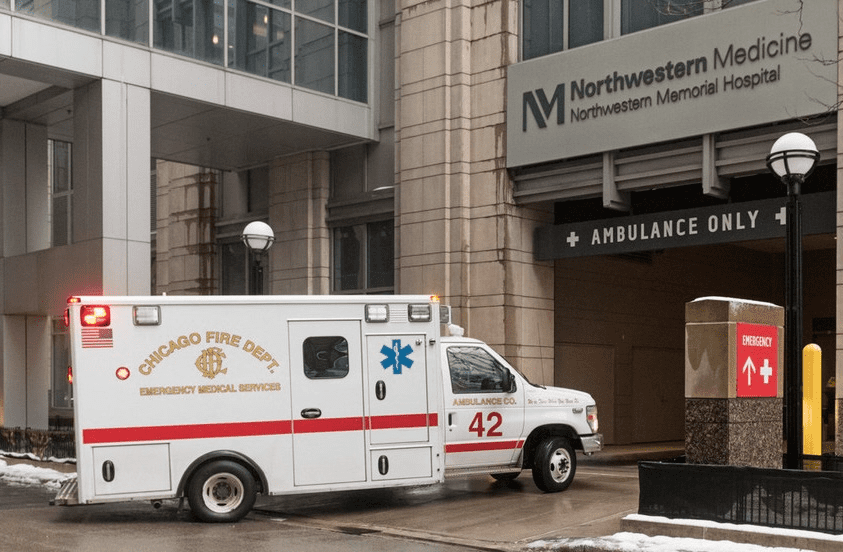
On September 1, 1972, Passavant Memorial and Wesley Memorial officially merged, forming Northwestern Memorial Hospital. The new 1,000-bed facility became one of the largest private, non-profit hospitals in Chicago and the Midwestern United States. In 1975, Prentice Women’s Hospital and the Northwestern University Institute of Psychiatry joined the complex. The Olson Critical Care Pavilion opened in 1979.
The 1990s brought plans for new construction to replace the aging Passavant and Wesley buildings. In 1996, the hospital performed the first islet cell transplantation in Illinois. On May 1, 1999, the Feinberg Pavilion and the Galter Pavilion opened, featuring 492 private rooms and an Emergency Department designed to handle 70,000 patients annually.
The Bluhm Cardiovascular Institute opened in 2005, followed by the new Prentice Women’s Hospital in 2007. The Northwestern Outpatient Pavilion (later the Lavin Family Pavilion) was completed in 2014, including outpatient operating rooms, a diagnostic center, and a 575-space garage. In 2015, the 600,000-square-foot Simpson Querrey Biomedical Research Center was inaugurated, with prospects for doubling its space. The first U.S. step toward department expansion continued until 2020, adding 49 new beds between the Galter and Feinberg Pavilions.
Northwestern Memorial works closely with the Feinberg School of Medicine. It conducts over 4,500 clinical trials annually, involving 50,000 patients. Key research areas include oncology, cardiology, neurology, diabetology, genetics, and transplantology.
Departments and Buildings
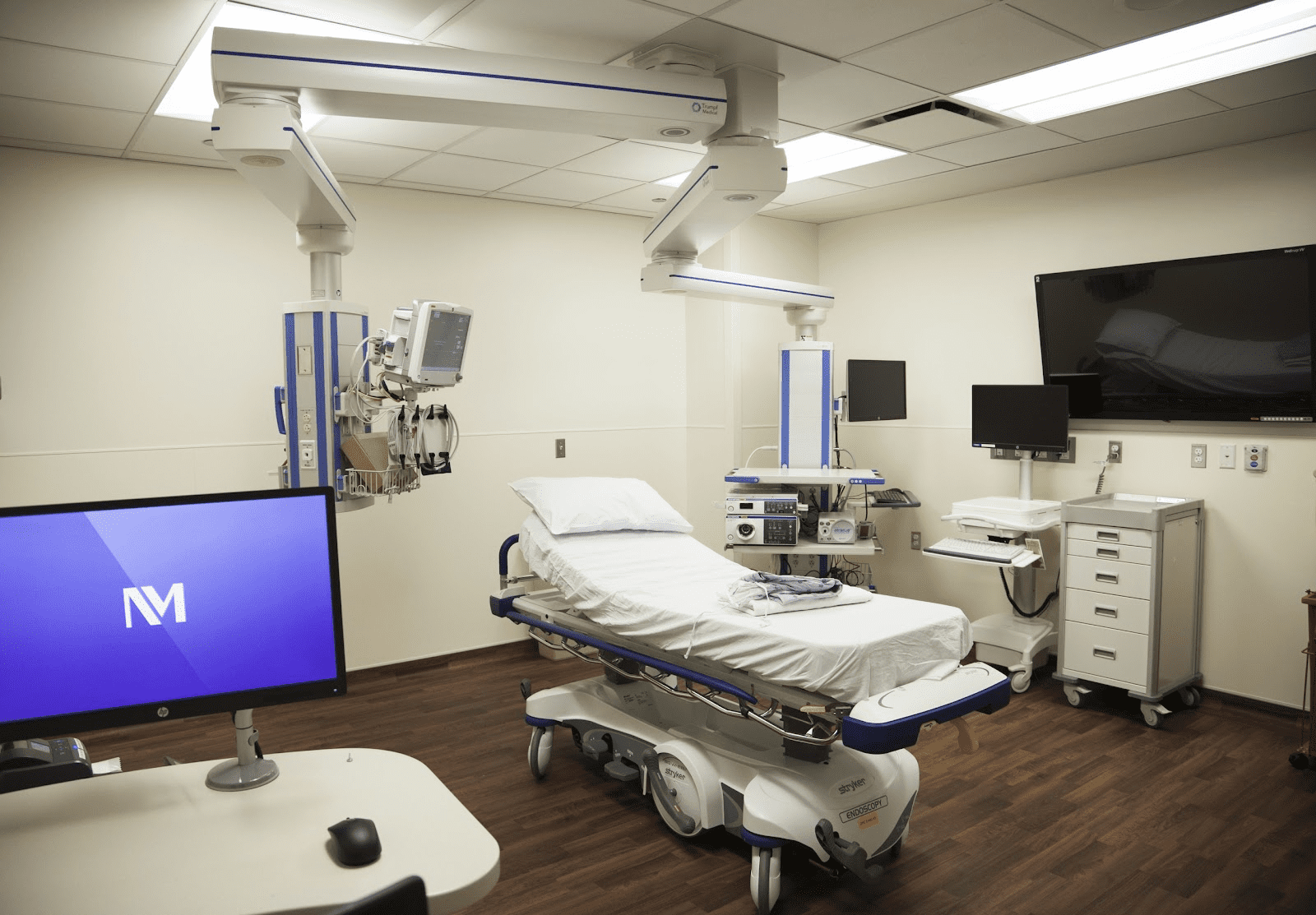
The modern Northwestern Medicine complex comprises several specialized buildings, each playing a vital role in providing care to patients with various needs.
The Galter Pavilion is one of the complex’s main buildings. It is connected to the Feinberg Pavilion on the first three floors and ranks among the tallest hospitals in the United States. The Galter Pavilion provides multidisciplinary care and is crucial for coordinating various medical services.
The Feinberg Pavilion is designed for inpatients and serves as the primary location for imaging procedures within the Lurie Cancer Center. It houses advanced diagnostic technologies, enabling precise staging of diseases and monitoring of treatment effectiveness.
The Lavin Family Pavilion specializes in outpatient services. The building contains diagnostic offices, operating rooms, and physicians’ offices, offering comprehensive care for patients without requiring an overnight stay.
The Olson Pavilion, opened in 1979, is the central building for critical care. It concentrates intensive care and patient support services for those in severe conditions, making it an indispensable part of the medical complex.
The Prentice Women’s Hospital holds a special place—it’s a specialized women’s hospital with 256 beds. It features one of the largest neonatal intensive care units, and its direct connection to Lurie Children’s Hospital allows for rapid, comprehensive care for newborns and their mothers.
Awards and Recognition
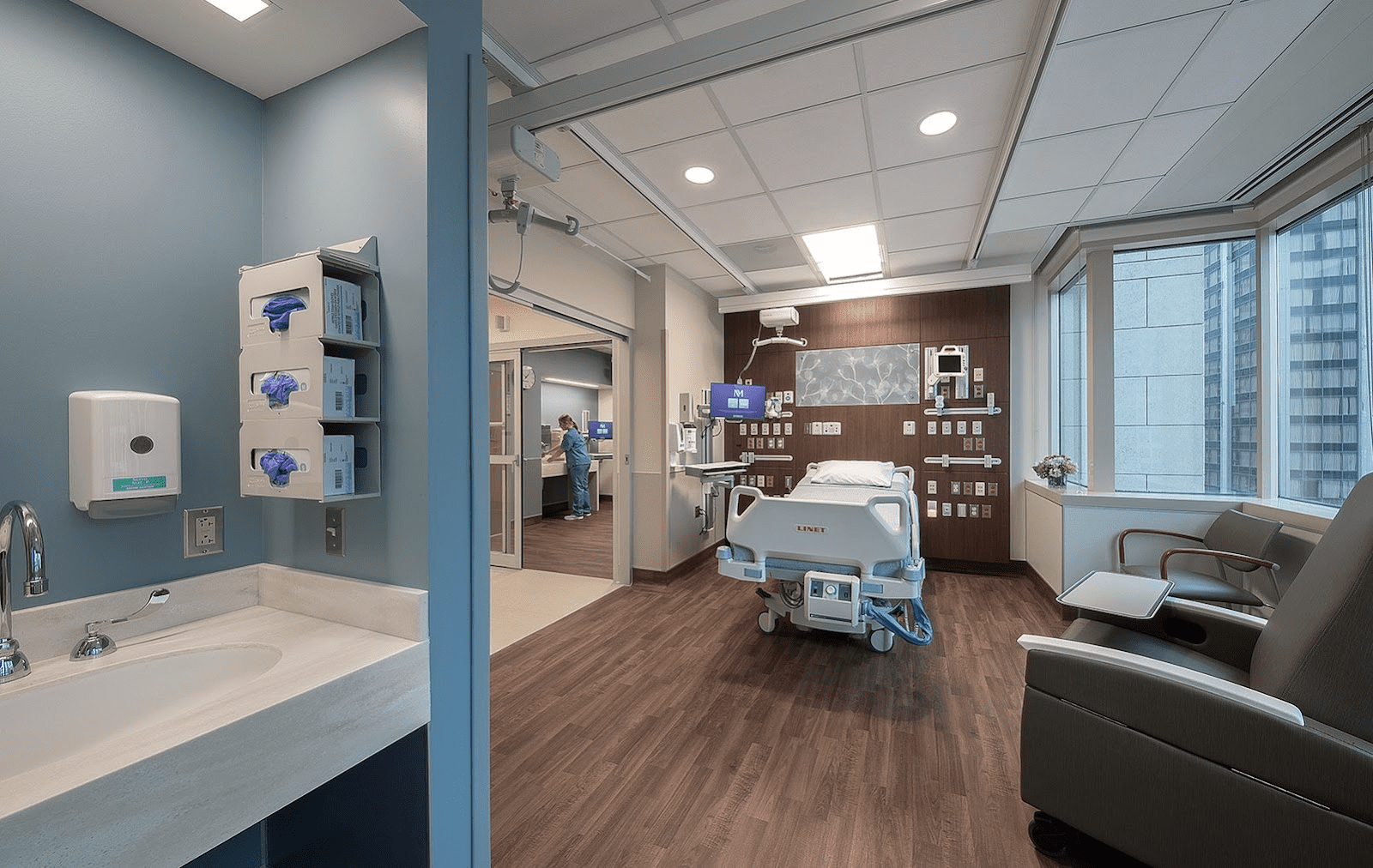
Northwestern Memorial Hospital consistently confirms its status as one of the leading medical institutions in the United States. The hospital regularly ranks among the top 10 hospitals nationwide, earning high marks for quality of care, innovative methodologies, and a comprehensive approach to patient treatment. The institution has received particular recognition in specialties such as neurosurgery, orthopedics, endocrinology, oncology, and cardiology, demonstrating the high level of professional training of its staff and cutting-edge treatment technologies.
According to the U.S. News & World Report rankings, Northwestern Memorial tops the list of the best hospitals in the state of Illinois and consistently holds a spot in the top ten leading medical institutions across the country. These achievements affirm the facility’s reputation as one of the most trusted centers for modern medicine, where patients can expect the highest level of care and effective treatment.
Northwestern Memorial Hospital is a unique medical complex with a rich history, innovative research, and exceptional clinical achievements. From the small Deaconess Hospital with 15 beds to the modern, high-tech complex spanning over 3 million square feet, the institution demonstrates a dedication to patients, scientific advancement, and unparalleled medical education. It is not just a treatment center but also a scientific hub shaping the future of medicine in Chicago and the United States.