

Chicago is not only the Windy City of skyscrapers but also one of the leading educational centers in the U.S. It is home to prestigious institutions such as the University of Chicago, Northwestern University, DePaul University, UIC (University of Illinois at Chicago), and dozens of other colleges. Student life in Chicago is a mix of academic ambition, multicultural experiences, and a vibrant urban rhythm. Learn about the history of Chicago schools. Continue reading on chicago1.one.
Educational Opportunities
Chicago attracts students from all over the world with its high standard of education, rich academic heritage, and modern infrastructure for study and research. You can find programs here in almost any field—from engineering to art, from medicine to sociology.
The University of Chicago consistently ranks high in global rankings. It is renowned for its academic rigor, pioneering thought, and impact on global science. The UChicago School of Economics has produced several Nobel Prize winners, and the Law School trains the elite of American jurisprudence. Northwestern University, located in the suburb of Evanston, is a leader in journalism, communications, medicine, and business. The Medill School of Journalism produces leading journalists and reporters, and the Kellogg School of Management is among the world’s top ten business schools. Students have the opportunity to participate in scientific research from their first years. Universities actively involve young people in labs, experimental projects, and think tanks. This not only builds practical skills but also opens a path to an academic career or work in innovative companies.
Furthermore, Chicago is a massive internship market. International corporations (Google, McDonald’s, Boeing), large hospitals, advertising agencies, NGOs, and media companies operate here. Many educational institutions have partnership programs with businesses and government agencies, allowing students to combine theory with practice. The educational process is often interdisciplinary—students can combine sociology with computer science, or economics with urban studies. This approach allows for a better understanding of the complexity of the modern world and prepares them for careers in an environment of constant change.
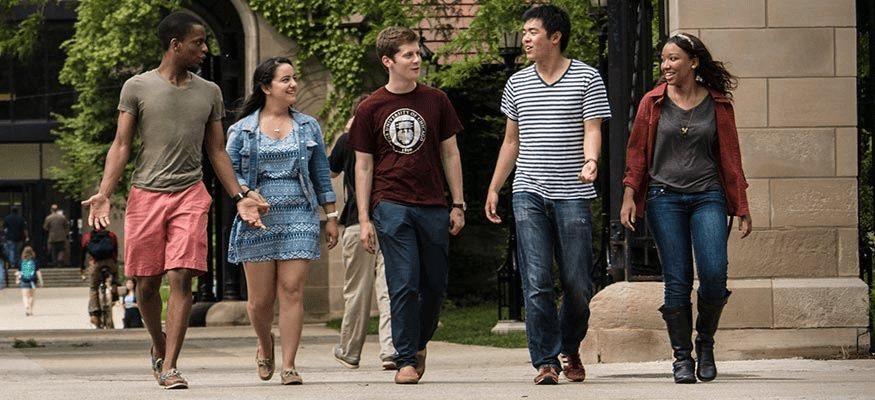
Student Recreation and Leisure
Life in Chicago is one of constant motion and, simultaneously, an endless source of inspiration. The city captivates with its architecture, culture, and an atmosphere where classic meets modern, and the mundane intersects with art. Students can spend mornings on the shores of Lake Michigan, having picnics or playing sports, and evenings at theaters, jazz clubs, or open-air festivals. Chicago is also known for its diverse cultural palette—from the Museum of Contemporary Art to the Art Institute of Chicago, and from the Blues Festival to the “Taste of Chicago” gastronomic fair.
Public transportation is reliable and accessible. The ‘L’ train and bus systems cover almost all areas of the city, making it easy for students to commute between campus, work, and leisure. Additionally, many people use bicycles, as the city has an extensive network of bike lanes.
Another important aspect is safety. While most student districts are calm, the city does have isolated areas with higher crime rates. Many campuses have their own security systems, and universities conduct orientation programs with advice on moving safely through the city. Despite the difficulties, these life contrasts foster flexibility, independence, and resilience in students. Life in Chicago teaches you to adapt quickly, build a contact network, and value your time and resources.
Cultural Diversity
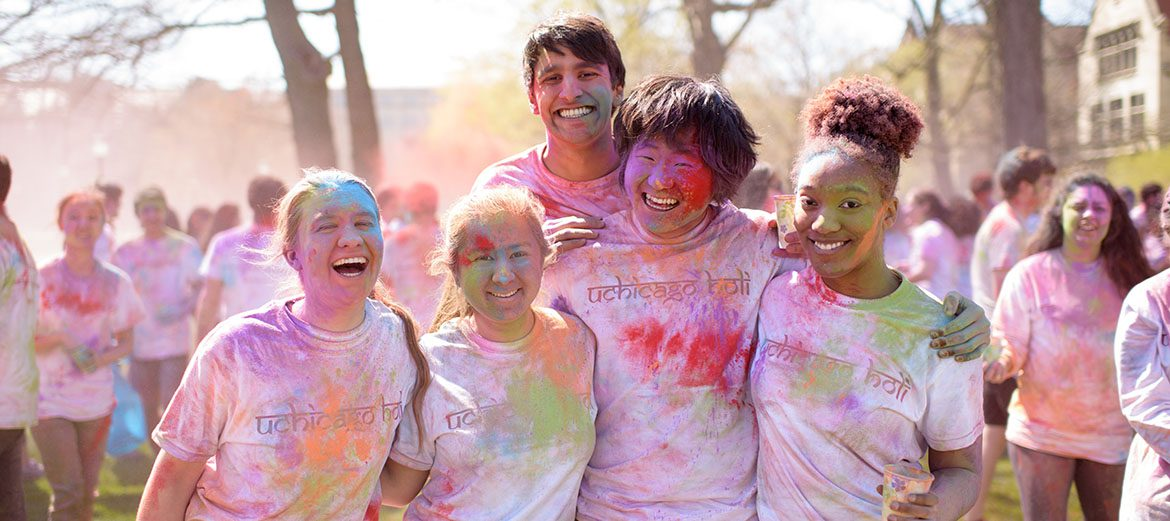
Chicago is a mosaic of cultures, languages, and traditions, making it not just a metropolis but a genuine living museum of human experience. Over a third of the city’s residents are members of national minorities, and English is heard alongside Spanish, Polish, Chinese, Arabic, Urdu, Vietnamese, and dozens of other languages. For students, this is a unique opportunity to live in an environment that constantly expands their worldview.
The city is divided into numerous ethnic neighborhoods, each with its own distinct atmosphere:
- Pilsen—the Mexican cultural heart, known for its murals, vibrant markets, and traditional food;
- Chinatown—the lively center of the Chinese community, featuring pagodas, tea rooms, and shops with rare products;
- Ukrainian Village—a hub of Ukrainian culture with churches, cafes, and a museum of the Ukrainian diaspora;
- Devon Avenue—where you can experience South Asia, complete with the aromas of spices, sari shops, and restaurants serving authentic curry.
Most Chicago universities actively support intercultural dialogue: they host cultural clubs, international cuisine evenings, discussions on global issues, film screenings, and meetings with community representatives. Such events help students not only learn more about others but also realize their own cultural identity. Living in a multicultural city also fosters tolerance, openness, and communication skills. By interacting with people of different religious beliefs, worldviews, and experiences, students learn to think critically.
Student Organizations
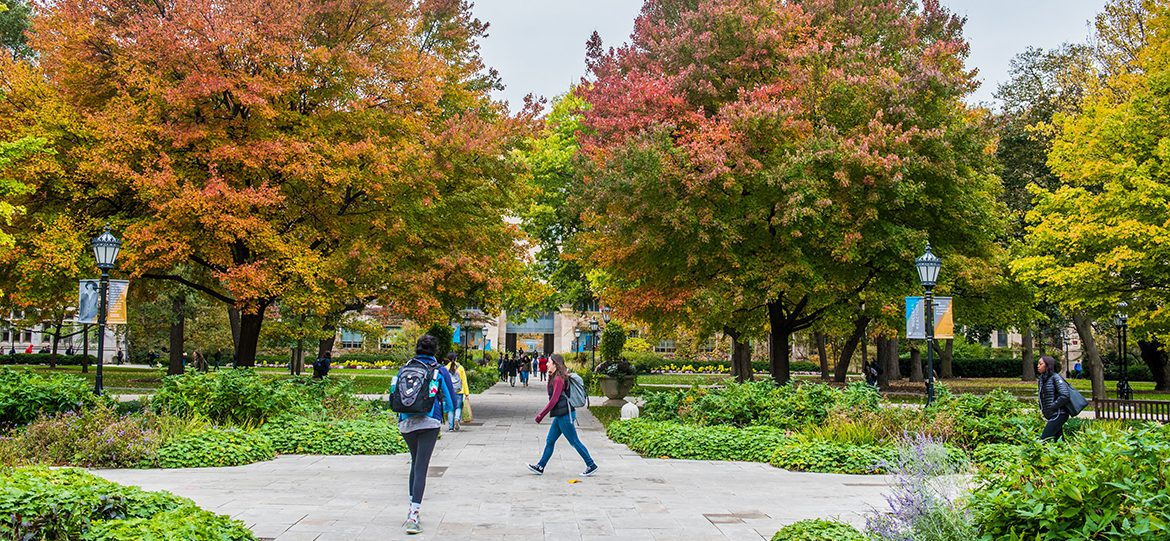
Student life in Chicago extends far beyond lecture halls. Almost every university has hundreds of student organizations. Each one opens new horizons for self-fulfillment, networking, and developing skills that are difficult to acquire within traditional education.
Academic clubs help deepen knowledge in a specific field, organizing discussions, research conferences, trips to professional events, and meetings with experts. For instance, UIC hosts clubs for medical students, future lawyers, engineers, and financiers. Creative groups cover everything from choreography, theater, and filmmaking to stand-up comedy and improvisation. The University of Chicago is famous for its improvisation theater, which has produced numerous American comedy stars. Socially active organizations work on topics such as human rights, sustainable development, ecology, equality, and inclusion. They organize rallies, conscious consumption campaigns, and discussions on racial or gender justice.
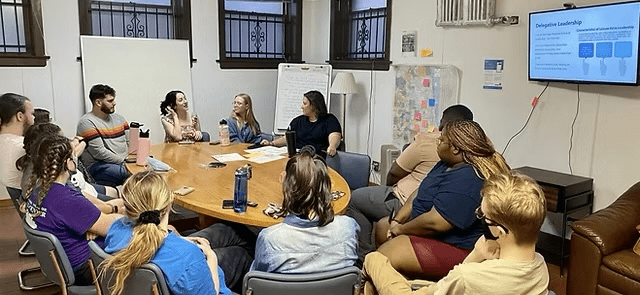
Volunteering is an equally important component of student life. Chicago offers a huge range of volunteer opportunities, and students actively contribute to change within their communities. Some universities even have community engagement offices that help students find volunteer programs aligned with their interests.
Among the most popular areas are:
- supporting the homeless (distributing food, organizing overnight shelters);
- mentoring schoolchildren in low-income areas of the city;
- working with refugees and migrants (assisting with adaptation, language courses);
- environmental initiatives (cleaning parks, planting trees, educational campaigns).
Furthermore, activity in student organizations and volunteering is an important point on a résumé. Many Chicago employers value candidates with extracurricular experience, especially if it involves initiative, project management, or communication in a multicultural environment.
Also, learn about Leona Woods, the “mother” of the atomic bomb.