

Chicago became a center for the production and sale of alcohol due to the Midwest grain trade. In 1827, retail trade of alcoholic beverages began in the city. Then, Samuel Miller and Archibald Claiborne founded the store Miller House. It also served as the first bar in Chicago, where ale and other types of beer were sold, writes chicago1.one.
It all started with beer
By 1837, Chicago had 10 bars, 26 grocers, many of which sold alcohol, and one brewery. Time passed and industry developed. In 1860, there were 8 distilleries in the city. In 1890, Chicago became the leader in the distilling industry in Illinois.
Beer production increased in 1870. At the beginning of the XX century, about 50 breweries operated here. The vast majority of them belonged to Germans. Brewers soon began to take an active part in the retail trade. They sold their products to local bars. Some owners opened shops and paid high taxes to save the business. In 1900, the demand for beer in the city was very high.
In 1870, the Liberty League was created, which included dealers and shop owners. It became the first such local organization. In 1880, the Illinois Liquor Dealers Protective Association was launched.
Soon, the liquor and vodka industry faced difficulties. The law, introduced in 1907, allowed individual counties to pass their own prohibitions and led to the forced closing of numerous shops and bars. In addition, during the First World War, restrictions on the preservation of grain reduced the production. Drinking beer lost its popularity because of the anti-German sentiment.
Restrictions related to the beverages
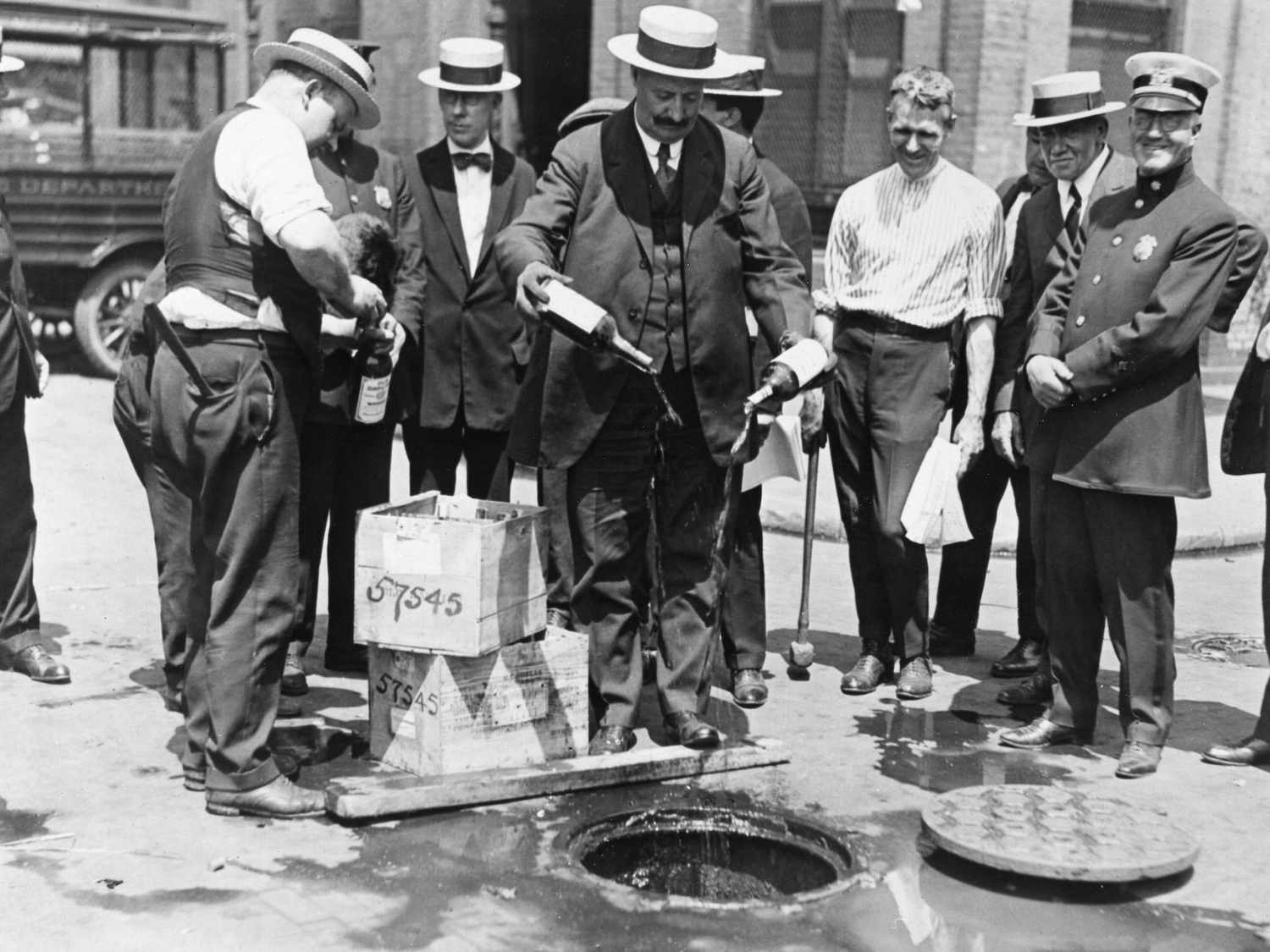
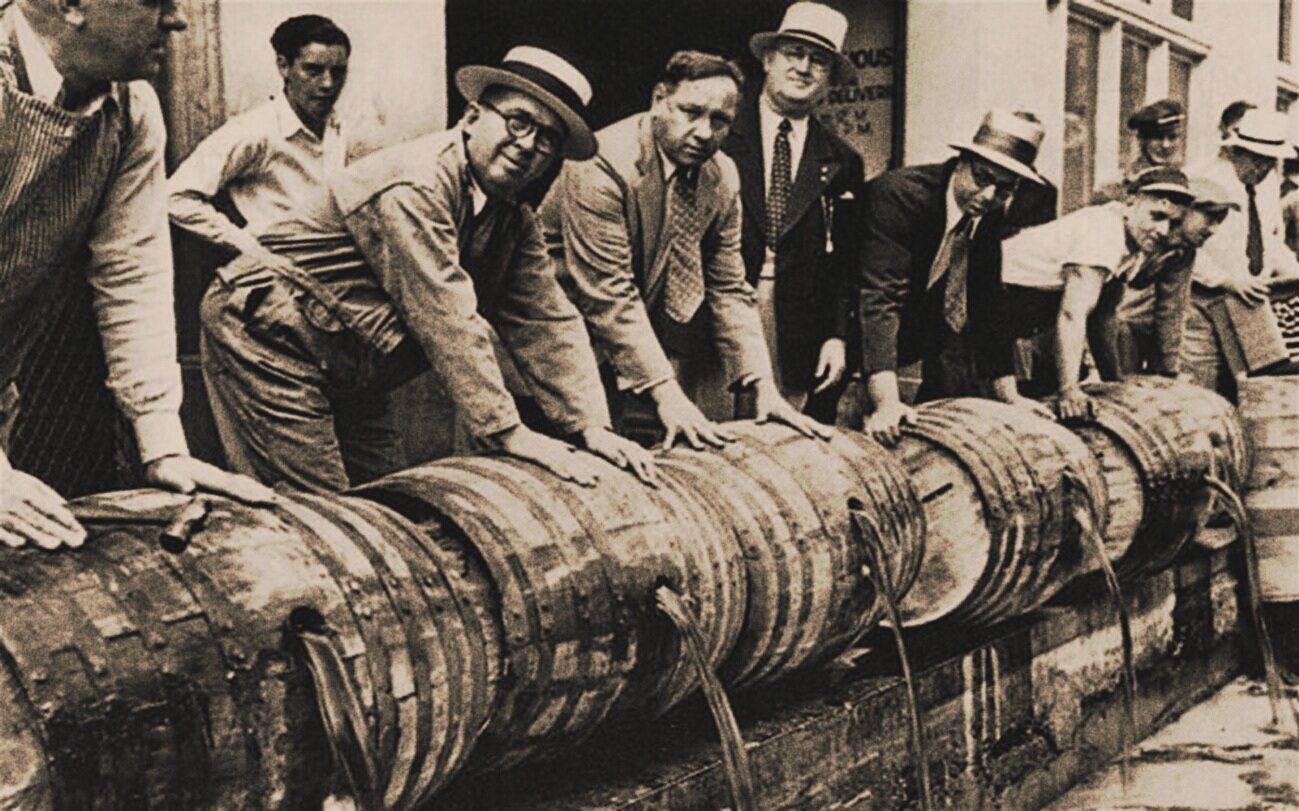
At the beginning of 1920, Prohibition came in Chicago. It was monitored by 1,520 federal agents. The law prohibited all actions related to alcohol.
After its entry into force, brewery owners were looking for potential buyers of their businesses. Some of them were supported by the mafia and continued to produce and sell alcohol illegally. Others engaged in the production of soft drinks and barely survived, selling raw materials for the beverages.
After the expiration of this law, the development of the industry began. National corporations began to appear on the local market, which destroyed all hopes for economic revival. In 1930, alcohol sold in grocery and wine stores was very popular. New technologies and equipment allowed companies to produce quality products.
In 1984, 94% of beer was produced by 6 companies, none of them located in Chicago. Soon, wholesalers became intermediaries between producers and sellers. In 1989, about 30 companies joined the Chicago Beer Wholesalers Association. Each of them tried to conclude as many contracts as possible with brewers for exclusive distribution in certain territories. In the following decades, the distribution of wine and liquor increased. In 1999, the largest company in Illinois was owned by William Wirtz and had about 1,500 employees.
The alcohol industry continues to grow in modern Chicago. There is a special demand for premium class products. People drink in small quantities, but consume quality beverages, which creates an ideal market position for many manufacturers. Modern brands offer citizens to taste drinks created on the basis of unique components using special technologies. Thus, the alcohol business is actively developing.