

Marshall Field was an influential Chicago businessman who, through his sharp mind, unwavering ambition, and kindness, amassed a fortune and played a major role in the city’s development. Let’s take a closer look at his life and business journey chicago1.one.
A Partnership with Levi Leiter
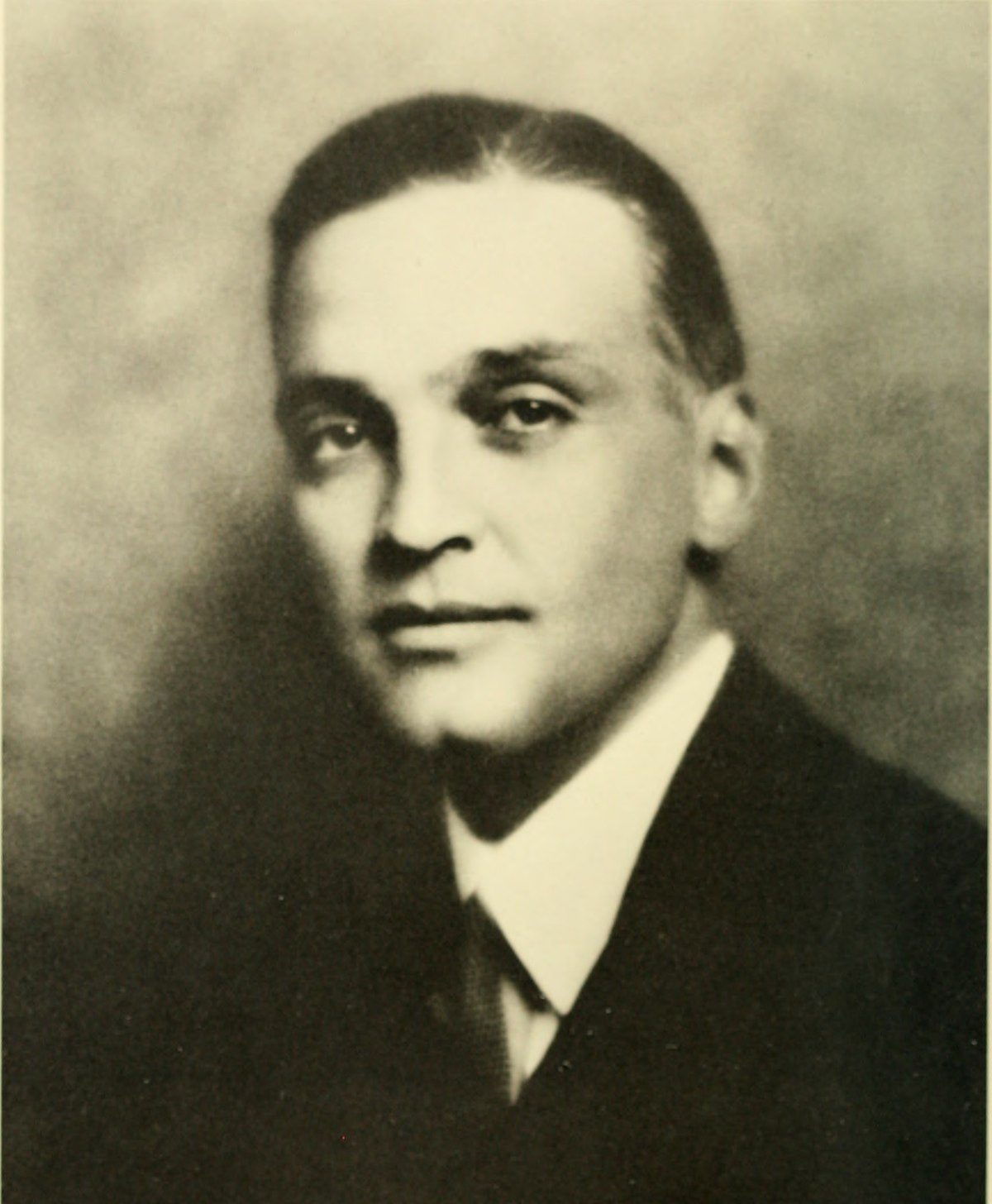
Born in 1834, Marshall Field spent the first 17 years of his life on a farm near Conway, Massachusetts. He then moved 40 miles west to Pittsfield, where he got a job as a sales clerk at a store owned by Henry Davis, earning just $10 a week. In 1856, after turning down a partnership offer from Davis, Field headed to Chicago with his brother, seeking new opportunities.
Upon arriving in the Windy City, Field found work as a salesman for Cooley, Wadsworth & Co., a prominent wholesale dry goods company. His attention to detail and hard work quickly impressed the management. In 1862, after the company was reorganized, Marshall became a partner, and John Farwell was put in charge. However, due to personality conflicts and differing business philosophies, Field and Farwell eventually parted ways.
Around this time, another dry goods merchant, Potter Palmer, was already running his own store on Lake Street. Palmer saw potential in Field and Levi Leiter and offered them a partnership. The new company was named Field, Palmer, Leiter & Co. In 1865, due to poor health, Palmer was forced to retire. By 1867, Field and Leiter had earned enough to buy Palmer’s share of the business. After his departure, Palmer turned his focus to real estate, buying up most of the land on State Street, including the site where he would later build the Palmer House Hotel and the northeast corner of State and Washington streets, which he leased to Field and Leiter in 1868.
The new store, which they named the “Marble Palace,” didn’t last long. It was destroyed in the Great Chicago Fire of 1871. Thanks to the heroic efforts of the staff, most of the store’s merchandise and documents were saved and moved to Levi Leiter’s home before the fire engulfed the building. The store’s insurance policy covered $2.5 million of the $3.5 million in damages, allowing Field, Leiter & Co. to reopen just a few weeks later in a barn at the corner of State Street and 20th Street.
In 1873, the store moved back to State and Washington streets into a building owned by the Singer Sewing Machine Company. Four years later, Field & Leiter relocated to the Interstate Industrial Exposition Building in Grant Park, on the site of what is now the Art Institute of Chicago. In 1879, a third store opened at the corner of State Street, again in a building owned by Singer. However, after the second fire, the relationship between Field and Leiter became strained. Two years later, Marshall bought out his longtime partner and renamed the company Marshall Field & Co.
The Birth of a Department Store
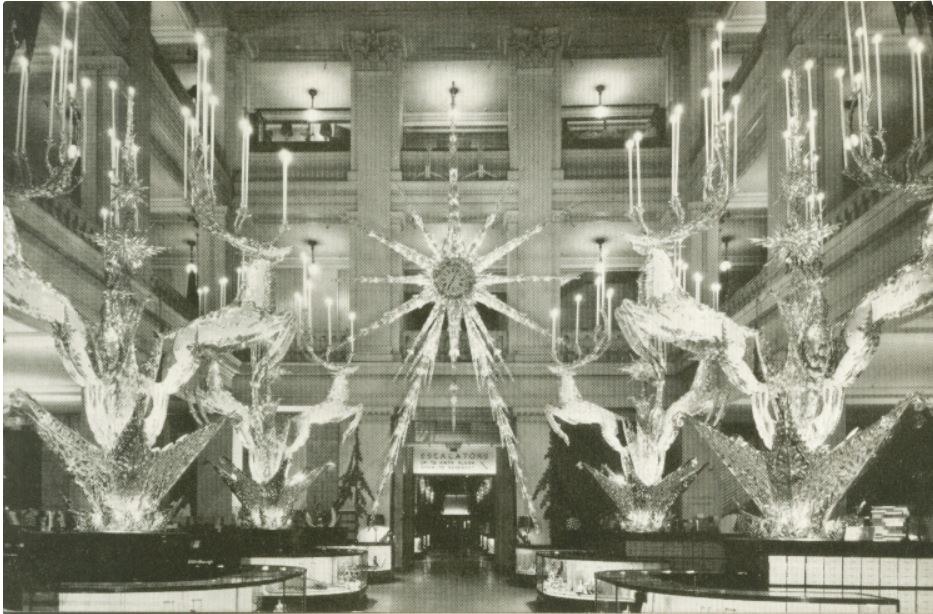
Now in full control of his business, Marshall decided to transform the store into a modern department store. He turned to two longtime associates for help. John G. Shedd became the head of the wholesale division, which, at the time, generated nearly 80% of the company’s revenue. In 1887, Field opened a 7-story warehouse on the block bordered by Wells, Adams, and Franklin streets. Two years later, Henry Richardson designed a new building, which cost $888,807 to construct. That same year, Field promoted Harry Selfridge to head of the retail store.
Selfridge implemented many concepts based on Field’s oft-quoted motto: “Give the lady what she wants.” But Selfridge didn’t just sell women what they wanted; he sold them what they needed. He introduced an unprecedented return policy, a bargain-basement, well-organized displays and counters, personalized customer service, and annual sales.
Under Harry Selfridge’s leadership and thanks to its elegant interior and attentive sales staff, Marshall Field’s became a model for American department stores, where people could find high-quality goods at affordable prices. Selfridge’s most iconic contribution was arguably the opening of the tearoom, where a woman named Sarah served her unbeatable potpie to customers.
Building the Field Empire
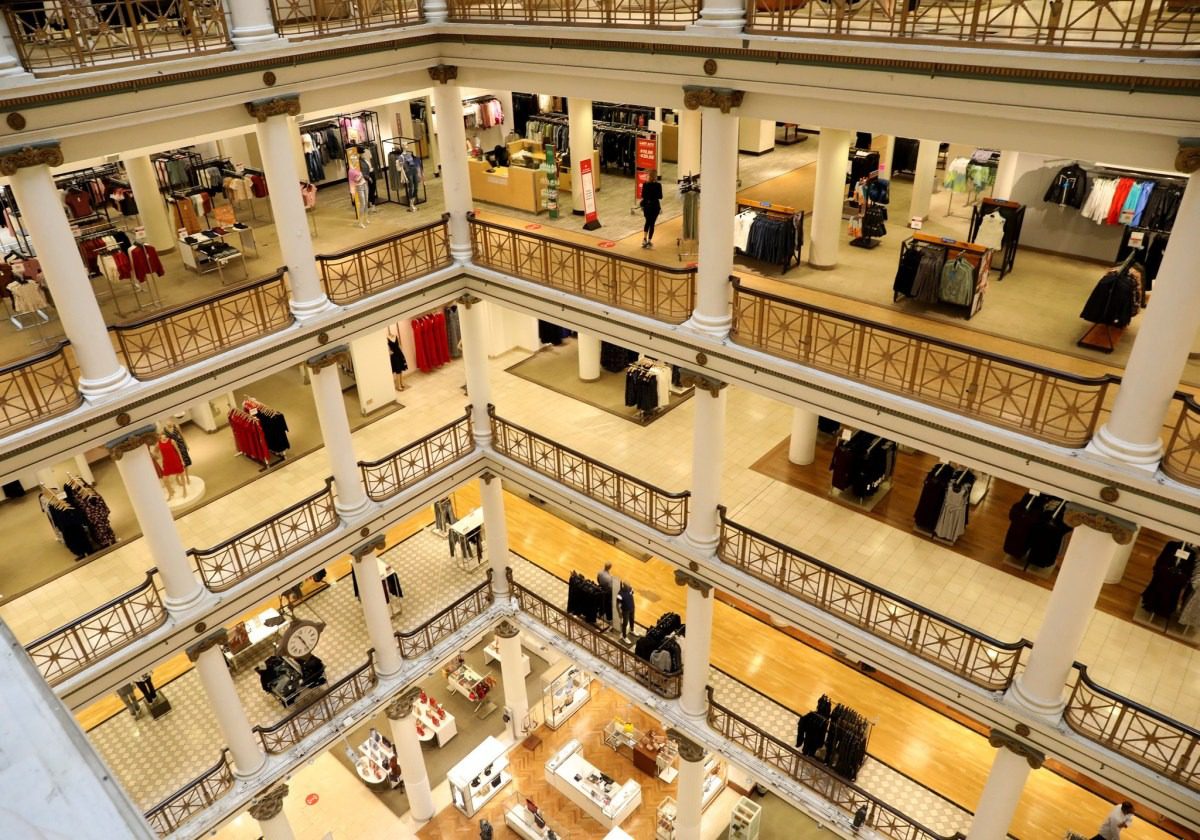
In 1891, Marshall began openly discussing plans to expand the department store, with the goal of occupying the entire city block. Over the next three years, he purchased various lots, including the Central Music Hall at the corner of State and Randolph streets. He soon owned the rest of the Washington side of the block, and in 1893, the 9-story “Annex” building opened at the corner of Wabash and Washington streets, adding over 100,000 square feet to Marshall Field’s.
In 1904, Selfridge left the business after Marshall refused to make him a full partner. He purchased a competing store, Schlesinger & Mayer, but soon sold it to Percy Scott and moved to London in 1909 to open his own store, Selfridges.
On New Year’s Day 1906, Field was playing golf in New York when he fell ill with pneumonia. Two weeks later, at the age of 71, he passed away. On the day of his funeral, all Chicago businesses closed, and the Chicago Board of Trade suspended trading.
At the time of his death, Field had already approved another expansion plan. That same year, new sections were added to the store along Wabash Street. In September 1907, the new store, which had no equal, opened its doors. The second atrium was topped with a glass dome covering 6,000 square feet and consisting of 1.6 million pieces, designed by Louis Tiffany. It was the largest mosaic dome ever created using his patented Favrile technology. Directly above it, on the seventh floor, was the tearoom, where the store’s first Christmas tree was installed that same year. In 1934, the restaurant was renamed the Walnut Room.
In 1912, Marshall Field & Co. was able to secure a 99-year lease for the entire block. Two years later, it was incorporated into Marshall Field’s, giving the company ownership of the entire city block, just as Field had envisioned 25 years earlier. The department store now covered 2 million square feet, making it the second-largest department store in the United States.
Major Company Expansion
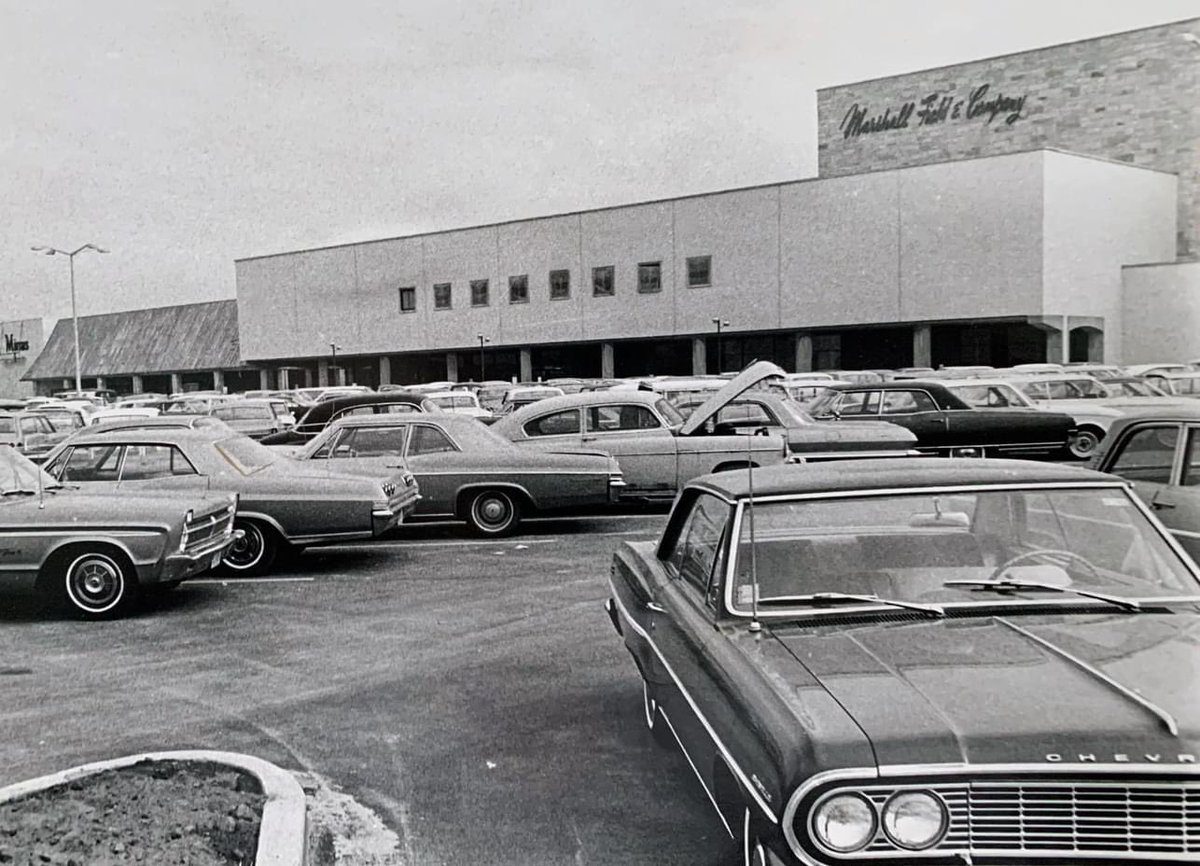
In 1923, Shedd retired and was replaced by James Simpson, who started as a cashier and became vice president after Field’s death. His brief tenure marked a period of rapid growth for the company. That same year, it acquired the A.M. Rothschild store and converted it into a discount store called the Davis Store. In 1928, Marshall Field & Co. bought the Frederick & Nelson confectionery. The company also opened its first branches in 1928-1929. While the retail business was booming, the wholesale side was in decline. Hoping to turn things around, Simpson decided to modernize the old warehouse. With a floor area of 4 million square feet, it became the largest building in the world at the time of its opening in 1930.
Marshall Field’s became synonymous with Christmas thanks to the Walnut Room with its giant Christmas tree and chicken potpies, as well as the themed window displays featuring Uncle Mistletoe and Aunt Holly—a pair created by the store to compete with Montgomery Ward’s Rudolph the Red-Nosed Reindeer.
The End of the Marshall Field’s Era
In 1982, Marshall Field & Co. fended off a hostile takeover attempt by investor Carl Icahn. However, it was soon purchased by BATUS, Inc. for $310 million. The new owner closed several underperforming stores and, by 1990, sold off all of its retail assets, transferring Marshall Field’s to Dayton-Hudson of Minneapolis. This continued until 2004, when May Co. acquired Marshall Field’s. Soon after, the 62 Marshall Field’s stores were rebranded as Macy’s. The name change took effect in September 2006, despite protests from longtime customers. It’s worth noting that the former Marshall Field’s on State Street preserved some of its most iconic features, including the Walnut Room and the Tiffany Dome.
Many argue that a part of Chicago died when Marshall Field’s became Macy’s. The story of Marshall Field and the department store he created proves that the only constant is change.