

James S. Kirk, a Scottish native who grew up in Montreal, moved his soap manufacturing business from Utica, New York, to Chicago in 1859. By 1867, he had opened a large new factory on North Water Street. In 1870, the company employed about 30 men and 20 children and produced $600,000 worth of soap. By 1880, Kirk’s factory had become one of the largest in the country, equipped with modern, steam-powered machinery. Soon, the company’s annual output soared, generating over $2 million, according to chicago1.one.
A Leader in the Soap Industry
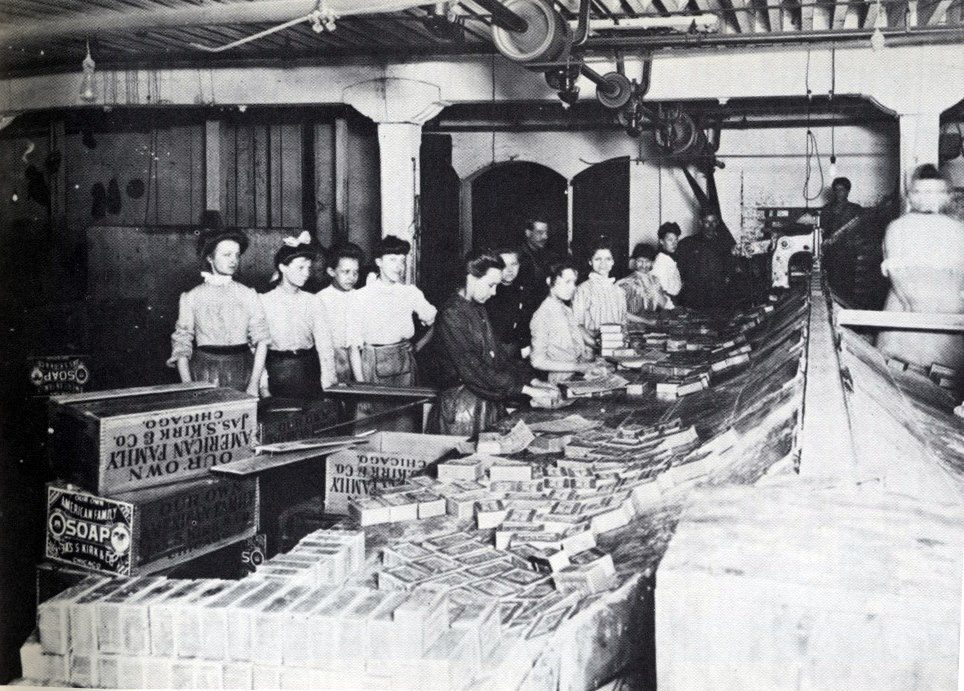
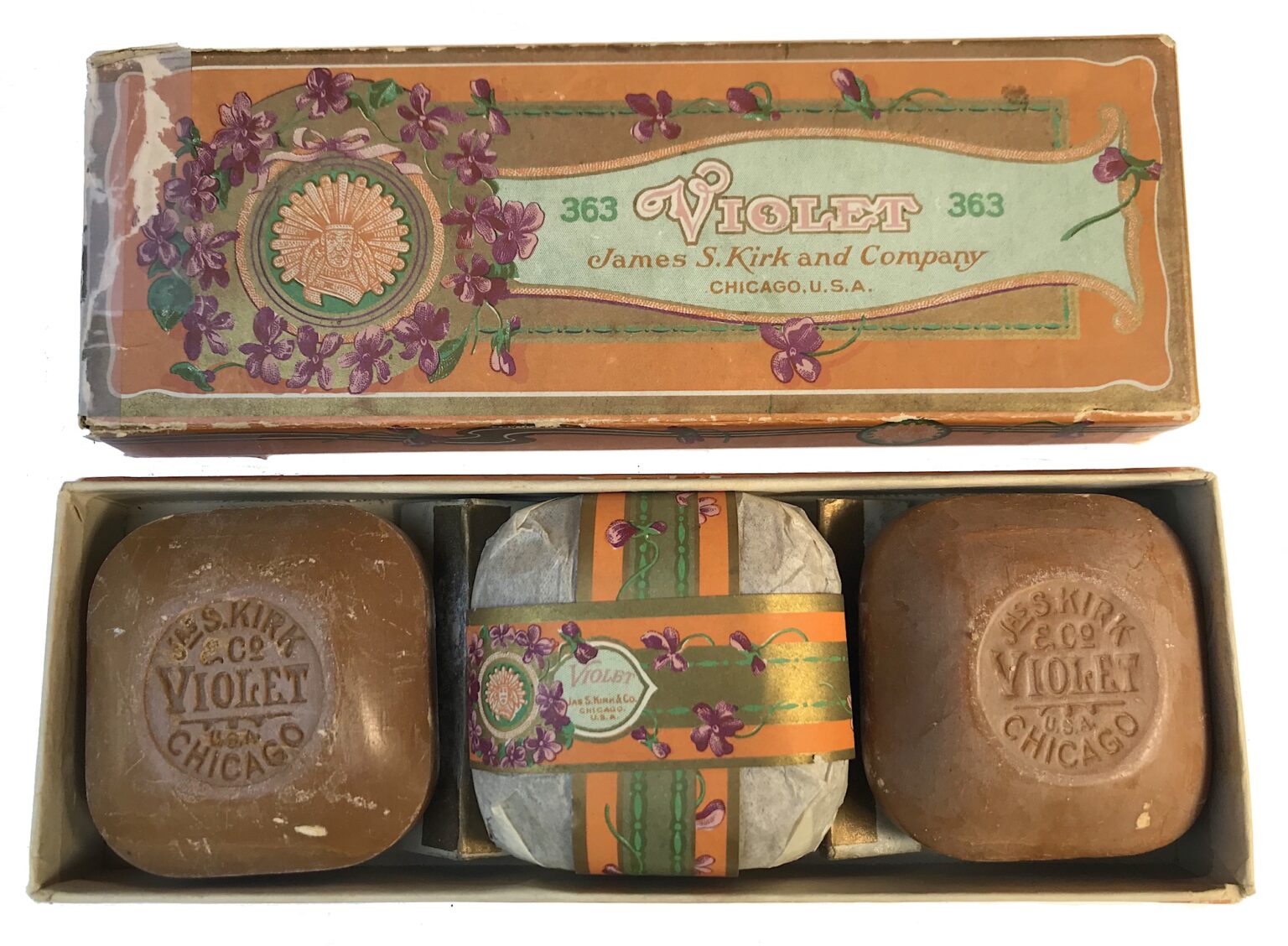
James S. Kirk & Co. was known as the largest soap manufacturer in the U.S., annually producing tons of its renowned products. Since its founding in 1839, the company had built a stellar reputation by offering customers only high-quality soap. The company launched new products every year. The most popular among Americans was the elegant “mill-finish” line of highly perfumed toilet soaps, which rivaled the best imported goods. The factory soon expanded its product line to include concentrated handkerchief perfumes, colognes, and toilet waters, all presented in unique packaging.
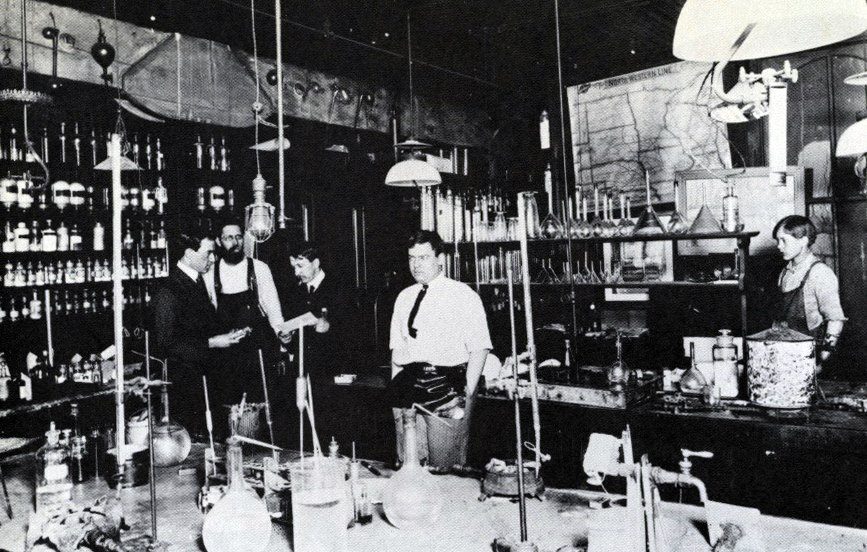
In 1883, James S. Kirk & Co. achieved unprecedented success, which allowed the company to expand its business and introduce its popular products in towns and cities across the U.S. The secret to their success? The expertise of their skilled professionals, their mastery in creating high-quality products, years of experience, and a careful study of the market.
The company’s Chicago factory was a five-story building with basements that stretched along the riverbank. Underneath the building were railroad tracks and switches that connected to almost all of the city’s rail lines.
High-Quality Products
The factory housed a power plant with a 1,400-horsepower engine, and steam was produced by 12 large steel boilers. Nearly 600 people were employed in soap making and perfume development. The company also owned a sawmill in Michigan, and all of its lumber was used to make the necessary product boxes. In 1884 alone, the company produced and sold 600 million pounds of soap, with the factory operating around the clock.
At the time, the most popular product brands included Zenithia, Commonwealth, Calumet Bouquet, Palama Eosa, Fine Palm, and Turtle Oil. The company’s laundry soap, made with natural fats and oils, was also a standout. With its cutting-edge machinery and careful attention to business details, the company earned the best clientele in the country.
A local newspaper wrote that James S. Kirk & Co. produced “all kinds of goods, from the cheapest detergents to the most exquisite toilet soaps.” The perfume department was fully equipped, and its bottled extracts were in high demand. “In short,” the article concluded, “there is hardly a soap manufacturer in the country that has put such deep knowledge and experience into its business as the employees of this firm. They keep a close eye on the needs of the American people and satisfy their demand for quality soap at prices that are very competitive.”
Soon, James S. Kirk & Co. expanded its efforts into other areas and became the largest producer of glycerin in America. The company was recognized with several awards for producing glycerin for medical and technical purposes, as well as for ensuring the chemical purity and quality of its various grades. In 1904, its annual production reached over 70 million pounds of soap, and the business’s annual turnover was $5 million.
Boom to Bust
In 1929, the old James Kirk soap factory on Michigan Avenue was scheduled for demolition. Albert H. Wetten & Co., a real estate firm, announced that a deal was partially closed, under which a chain of open garages would use the site for one of their facilities once the buildings were torn down.
During this period, James S. Kirk & Co. relocated its factory to North Avenue. The site covered 41,415 square feet, and construction cost $1 million. In June 1930, Procter & Gamble, a Cincinnati-based soap manufacturer, acquired the assets of the Chicago soap company, James S. Kirk & Co.