

In the late 1800s, many people considered Chicago to be the candy capital of the world, and it’s easy to see why. The city has a deep history with the chocolate industry. Charles Gunther, for example, opened his own confectionery factory and store on South Clark Street in 1868. He’s also credited with inventing and introducing caramel, which is still a staple in most candy factories today. Additionally, the World’s Columbian Exposition held in Chicago in 1893 featured a chocolate pavilion that housed a cocoa machine and a 38-foot chocolate statue, according to the website chicago1.one.
The Confectionery Industry in Old Chicago
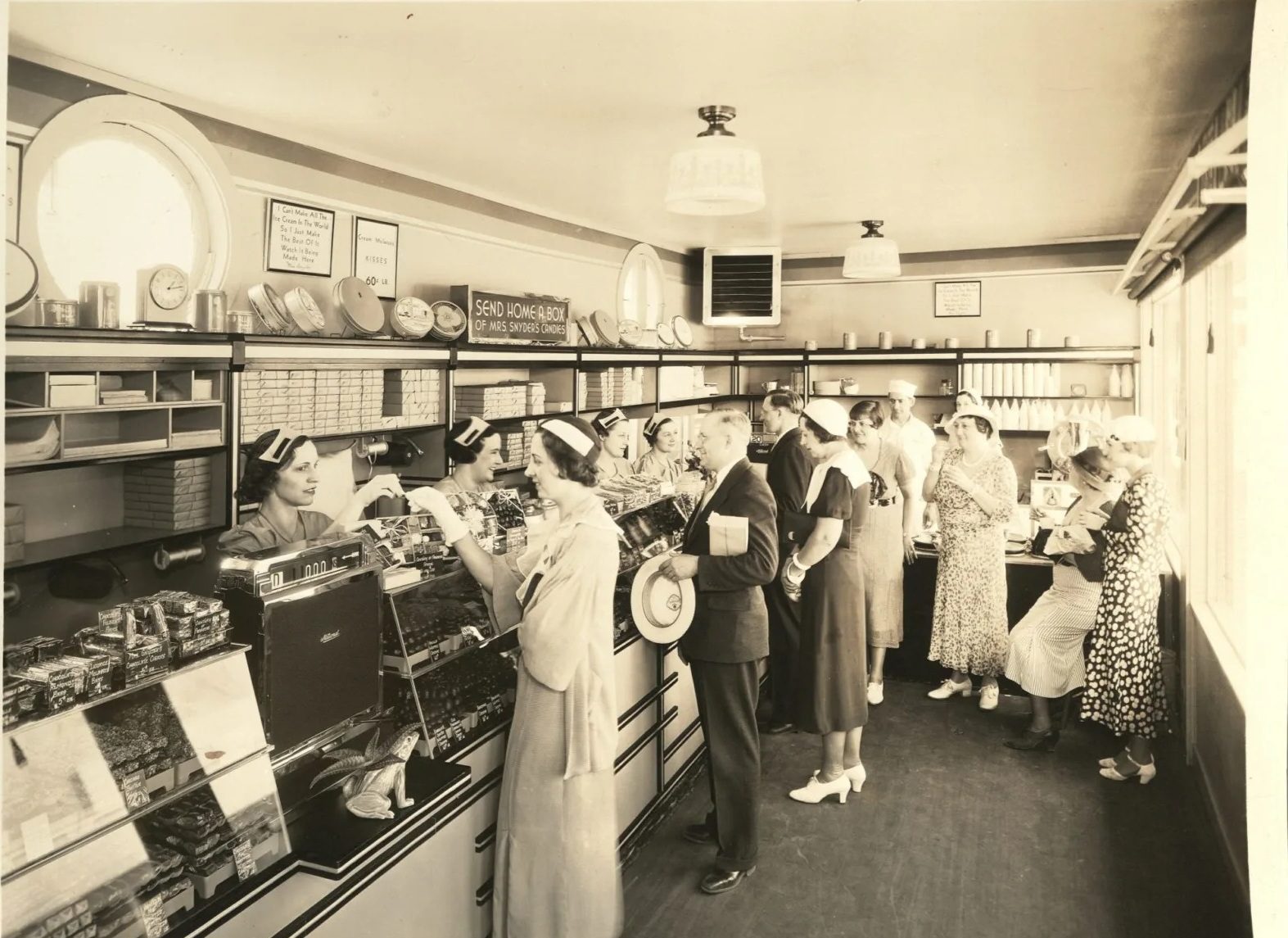
By the early 20th century, Chicago was home to more than 1,000 candy companies. This period also saw the founding of the National Confectioners Association and The Manufacturing Confectioner magazine in the city.
In 1904, Emil Brach opened a candy shop on North Avenue and Halsted Street, selling mostly chocolate bars and almond nougat. By the end of World War II, his confectionery offered more than 1,700 different products. In 1918, the Johnson’s Candy Company developed what we now know as Turtles candies. Five years later, the company dropped the “Johnson’s” name and was rebranded as DeMet’s, Inc. The Turtles trademark was registered immediately afterward.
The first Fannie May candy store opened in Chicago in 1920, owned by H. Archibald. The business quickly took off, expanding to 48 retail stores across Illinois and neighboring Midwestern states by 1935. The company’s success was built on a collection of recipes developed decades earlier that remained unchanged over the years. In 1946, Fannie May created Pixies, which became their most popular product.
Another local company, Ferrara Pan, gained fame far beyond Chicago’s borders with the release of Bit O’ Honey in 1924. This delicious taffy, featuring a honey flavor and almond bits, quickly won over candy lovers everywhere.
The Story of Businesswoman Aurora Snyder
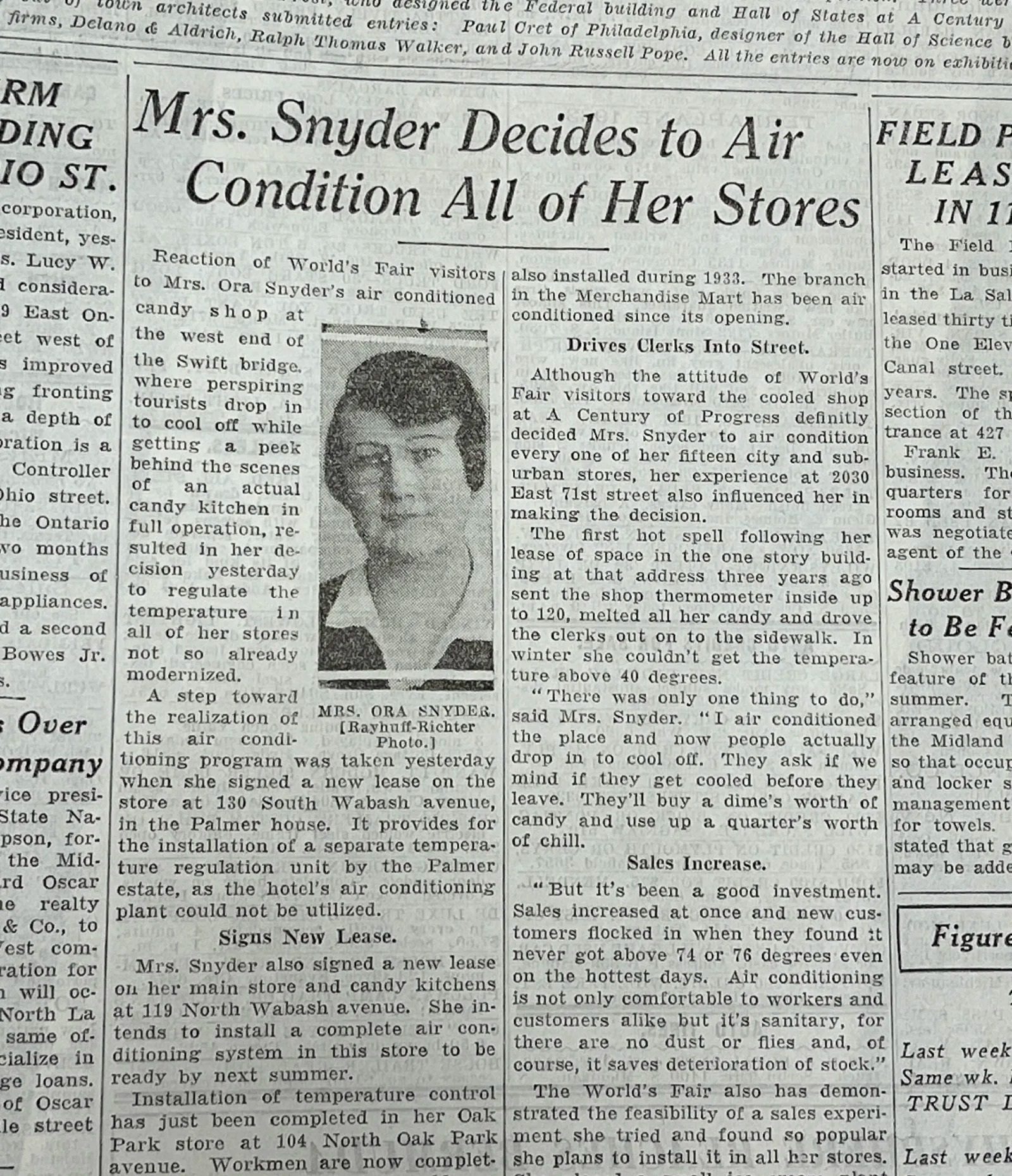
Born in Michigan City, Indiana in 1876, Aurora G. Hanson’s story of success as a businesswoman was featured in thousands of newspapers and magazines. Her mother passed away when Aurora was just three years old. She and her siblings were raised by their father, a ship captain at the time. With no money to buy candy, young Aurora learned to make sweets for her family herself.
In 1894, she married William Snyder, and they soon had a daughter, Edith. In 1909, William fell ill, and Aurora had to figure out how to support her family. She started making sweets at home and selling them at a local school. Her treats became so popular that she began looking for better opportunities to sell candy in Chicago. In 1910, she rented a small, nine-foot-wide shop in the Hamilton Club building.
From the very beginning, Snyder had a unique business model. She realized that people would buy what they liked, so she didn’t focus on her competitors. Instead, she paid close attention to her customers and their preferences. Soon, Aurora started giving out free samples to drive sales.
By observing her clientele, she noticed that men bought more candy than women and preferred chewy and salty options. This insight led her to expand her business by opening new stores not in typical shopping districts, but in male-dominated business areas, like the Chicago Board of Trade building.
Expanding the Business
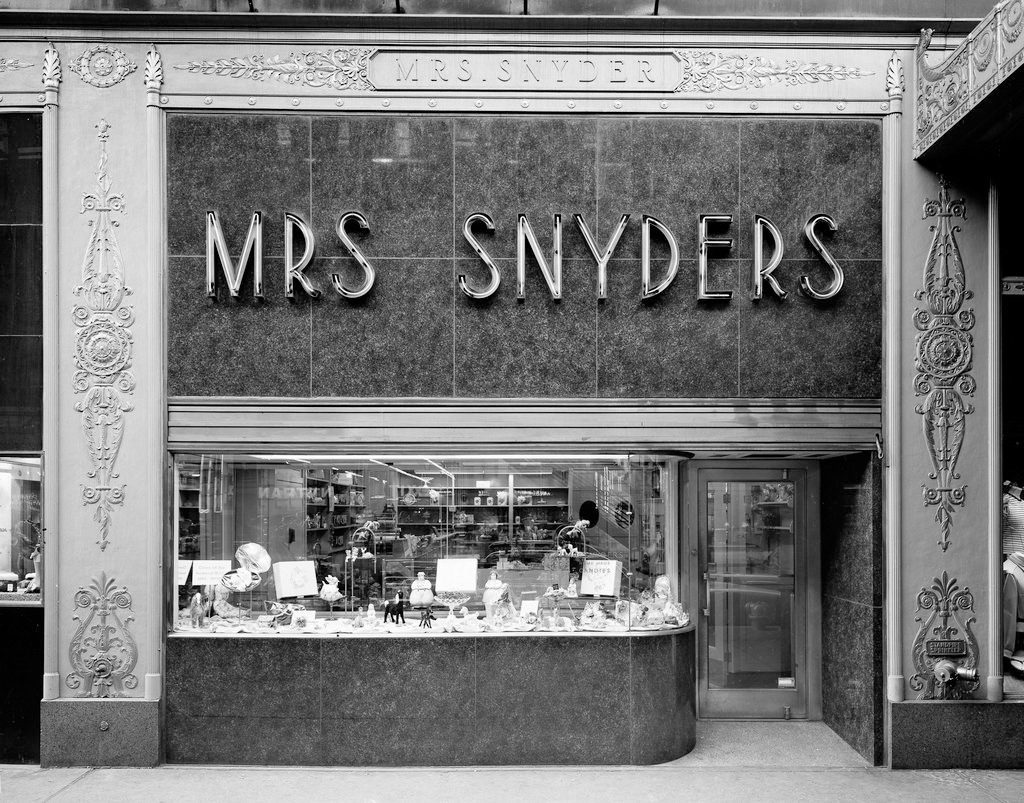
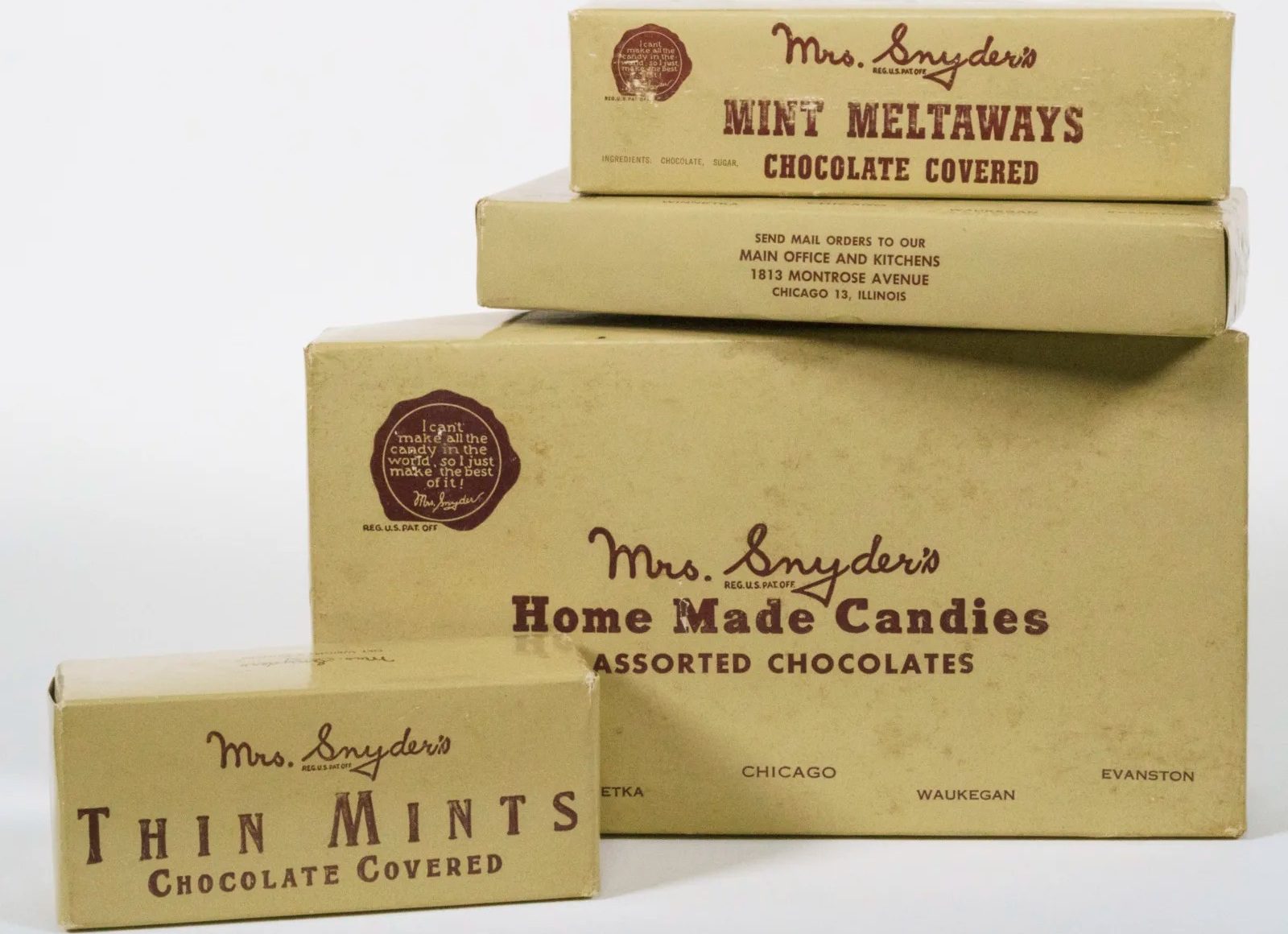
Aurora Snyder actively promoted her brand by emphasizing her commitment to quality and her customers. Every store had framed photographs of her with the caption, “Mrs. Snyder thanks you.” She was also quick to realize the benefits of pre-packaged candy and intentionally designed simple, no-frills packaging. By the early 1920s, Mrs. Snyder’s Candies had expanded to five locations, including a seven-story building on North Wabash Avenue.
In addition to running her successful business, Snyder helped found the Retail Confectioners Association of the United States, where she served as president from 1930 to 1932. She was also a longtime member of the Chicago Business and Professional Women’s Club and regularly gave speeches to similar groups.
By 1932, Mrs. Snyder’s Candies had 11 downtown stores. Her business intuition was on full display when she opened five stores at the “Century of Progress” International Exposition during its second year in 1934. Each of her shops featured a fully-equipped confectionery kitchen separated from visitors by large glass windows. The most popular additions were modern air conditioning and an ice cream machine. In 1934, air conditioning was still a novelty, drawing people in to escape the summer heat. Not only did it keep customers cool, but it also prevented the candy from melting and the employees from getting heatstroke. Soon after, newspapers reported that Snyder planned to install air conditioning in all her stores after the World’s Fair success.
The Future of Aurora Snyder’s Company
Aurora Snyder continued to lead her company until 1947, when she retired due to poor health. She passed away in Chicago in 1948 at the age of 72, leaving behind 16 stores employing hundreds of people.
William Snyder served as the chairman of the board for Mrs. Snyder’s until his death in 1955. The business was then taken over by his son-in-law, Seymour Neale, and his grandson, William J. Neale, until it became part of Fannie May in 1967.