

An American composer, conductor, and educator, William Russo was a musical visionary who bridged the gap between classical music and jazz. His work left an indelible mark on 20th-century music, combining innovation with accessibility while mentoring a whole generation of musicians. Learn more on Chicago1.one.
Early Life and Career
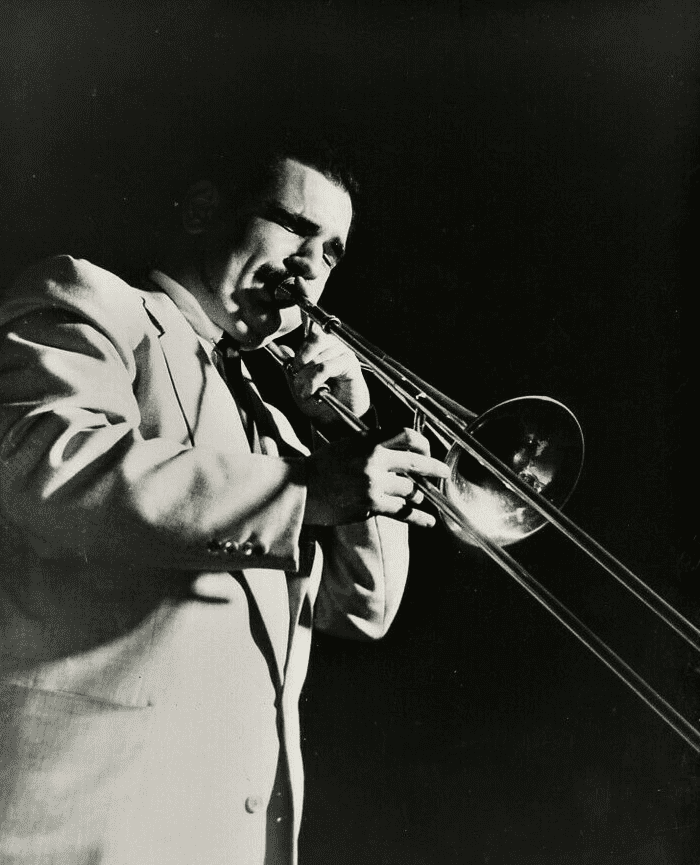
William Russo was born on June 25, 1928, in Chicago. At the time, the city was a thriving hub of jazz clubs, symphony orchestras, and theaters. This dynamic atmosphere deeply shaped the future composer from a young age, exposing him to a rich mix of musical influences. Russo grew up in a world where classical music coexisted with jazz and blues, and this unique blend defined his artistic path. He began his musical journey playing the trombone in school orchestras and small ensembles. This instrument eventually led him to jazz bands, where he learned the art of improvisation and rhythmic freedom. After high school, Russo enrolled at Roosevelt University to study composition. His mentors, who were influenced by both European classical traditions and American modernist movements, guided him as he began creating his first pieces, which blended academic forms with jazz elements.
Russo continued his studies at the University of Chicago, earning a master’s degree. The university’s academic environment was open to experimentation, and it was here that Russo developed his passion for synthesizing genres, a concept that would later become his creative signature.
A Trailblazer in Music
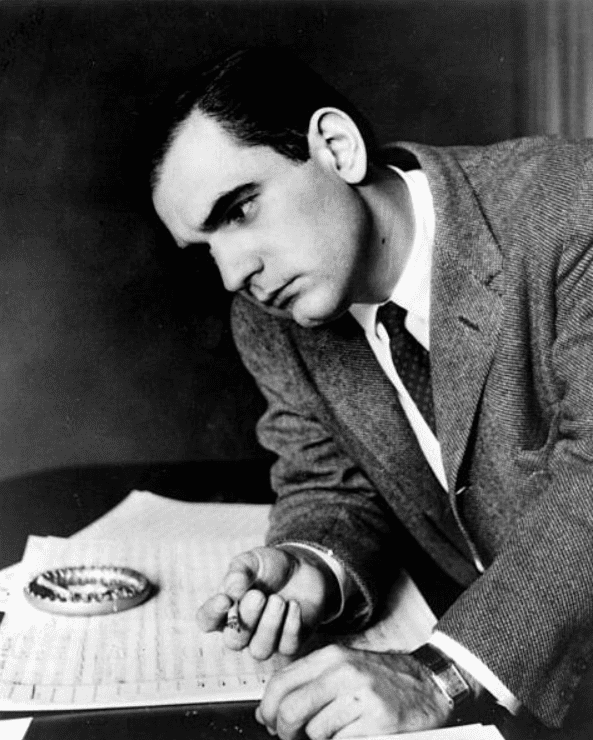
William Russo’s career took off in the 1950s. He started as a trombonist and arranger in local Chicago groups, including Stanton Kent’s orchestra. Even then, his experimental nature was evident as he sought to enhance traditional jazz forms with new harmonies and orchestral arrangements.
His big break came with the Stan Kenton Orchestra, one of America’s most famous jazz big bands. With the orchestra, he excelled not only as a performer but primarily as a composer and arranger. He created works that fused jazz rhythms with the grandeur of symphonic sound, including well-known compositions like “Frank Speaking,” “23 Degrees North, 82 Degrees West,” and “Sweets.” His scores were layered and full of orchestral color, yet they always left room for improvisation. It was during this time that Russo earned recognition as one of the most talented figures in mid-20th-century “progressive jazz.”
In the 1960s, Russo moved to London, where he founded the London Jazz Orchestra. The ensemble became a creative laboratory for new musical ideas. Here, he continued to develop his concept of a “third stream”—a synthesis of jazz and classical music. The orchestra performed Russo’s pieces, which sounded like symphonies but with the freedom and improvisational energy of jazz. During this period, he wrote not only for jazz ensembles but also for chamber and symphony orchestras, pushing the boundaries of the genre.
Upon his return to the U.S. in the late 1960s, Russo became a prolific composer, conductor, and educator. He created large-scale works for symphony orchestras, choirs, and soloists, most notably his “Chicago Suite,” a composition that captures the multifaceted musical landscape of his hometown. Russo also collaborated with the Chicago Symphony Orchestra.
Signature Compositions
William Russo left behind a rich and varied musical legacy, which includes symphonies, operas, concertos, chamber works, and soundtracks. His work seamlessly blended academic discipline with the freedom of jazz, creating a new genre synthesis.
Some of his notable symphonies and larger pieces include:
- “Symphony No. 2 – Titans” (1952) – This early work of Russo’s combined a classical symphonic form with jazz rhythms. The symphony is known for its clear structure, dramatic contrasts, and energetic tempo, making it a prime example of his early “third stream” experimentation.
- “Chicago Suite” – A cyclical composition that embodies the spirit of Chicago, blending elements of jazz, blues, and classical music. Each movement reflects a different musical landscape of the city, from its jazz clubs to its grand concert halls.
Among his most famous concertos are:
- “Street Music: A Blues Concerto” (1977) – A piece for jazz trumpeter Myers Ferguson and a symphony orchestra. The composition is a brilliant example of the fusion of classical and jazz traditions: the soloist improvises over the orchestral score, creating a dynamic and emotionally charged structure.
- “Three Pieces for Blues Band and Symphony Orchestra” (1968) – One of the first American crossover works, this piece united a blues ensemble with a symphony orchestra. It gave audiences a taste of how the worlds of classical and popular music could interact. The work became widely popular and is now a classic of the genre.
Russo also composed chamber works for string ensembles, wind orchestras, and jazz quartets. His chamber music combined sophisticated harmonic work with the rhythmic freedom characteristic of jazz. Additionally, he created soundtracks for theatrical productions and documentaries, where his style was defined by a combination of emotional expression and structural logic.
Through these compositions, William Russo became a trailblazer in blending academic and jazz music. His work opened up new frontiers for crossover music, influenced the development of modern jazz, and made a significant contribution to American symphonic and stage traditions.
Educator and Mentor
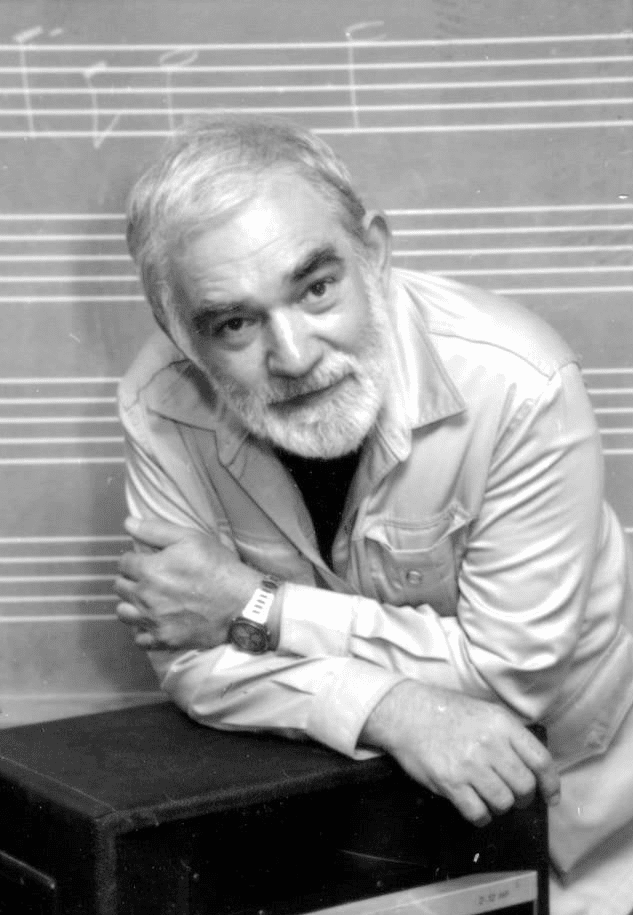
In 1965, William Russo returned to his native Chicago and founded the Chicago Free Theater, which later became the Chicago Jazz Ensemble. This organization evolved into a vibrant hub for experimental and jazz music, a meeting place for young composers, performers, and musicologists. Here, Russo put his teaching philosophy into practice: combining academic discipline with jazz improvisation and fostering musical creativity through hands-on work and collaboration.
As a teacher and mentor, Russo influenced an entire generation of musicians. His students included future conductors, orchestral arrangers, jazz soloists, and composers. He actively supported young artists in creating their own works and helped them find venues to perform. Under his guidance, countless projects—from small chamber ensembles to large symphony orchestra concerts—became laboratories for musical innovation.
Legacy
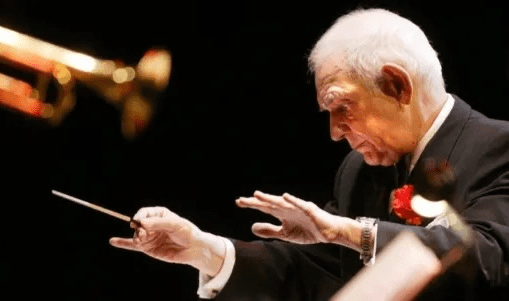
William Russo was a visionary who foresaw the popularity of genre synthesis and opened new horizons for American music. His works were performed at both jazz festivals and concert halls, from Carnegie Hall to the Chicago Symphony Center, a testament to the versatility of his style. His compositions blended academic rigor with jazz improvisation, creating a unique musical language where classical and popular music enriched each other.
William Russo passed away on January 11, 2003, in Chicago, leaving behind a vast musical legacy that includes symphonies, concertos, chamber works, crossovers, and soundtracks. His name stands alongside other 20th-century experimentalists, and his music continues to resonate on stages around the world, inspiring new generations of composers and performers.
Sources: