

In the early 19th century, Chicago schools served multiple functions—from teaching literacy to controlling children’s health and physical development. Various groups fought for control over education, which quickly led to conflicts. By the late 19th century, Chicago was a major center for the development of Progressive Education—an ideology that quickly became the dominant form of American educational thought for a long period, writes chicago1.one.
The First Schools
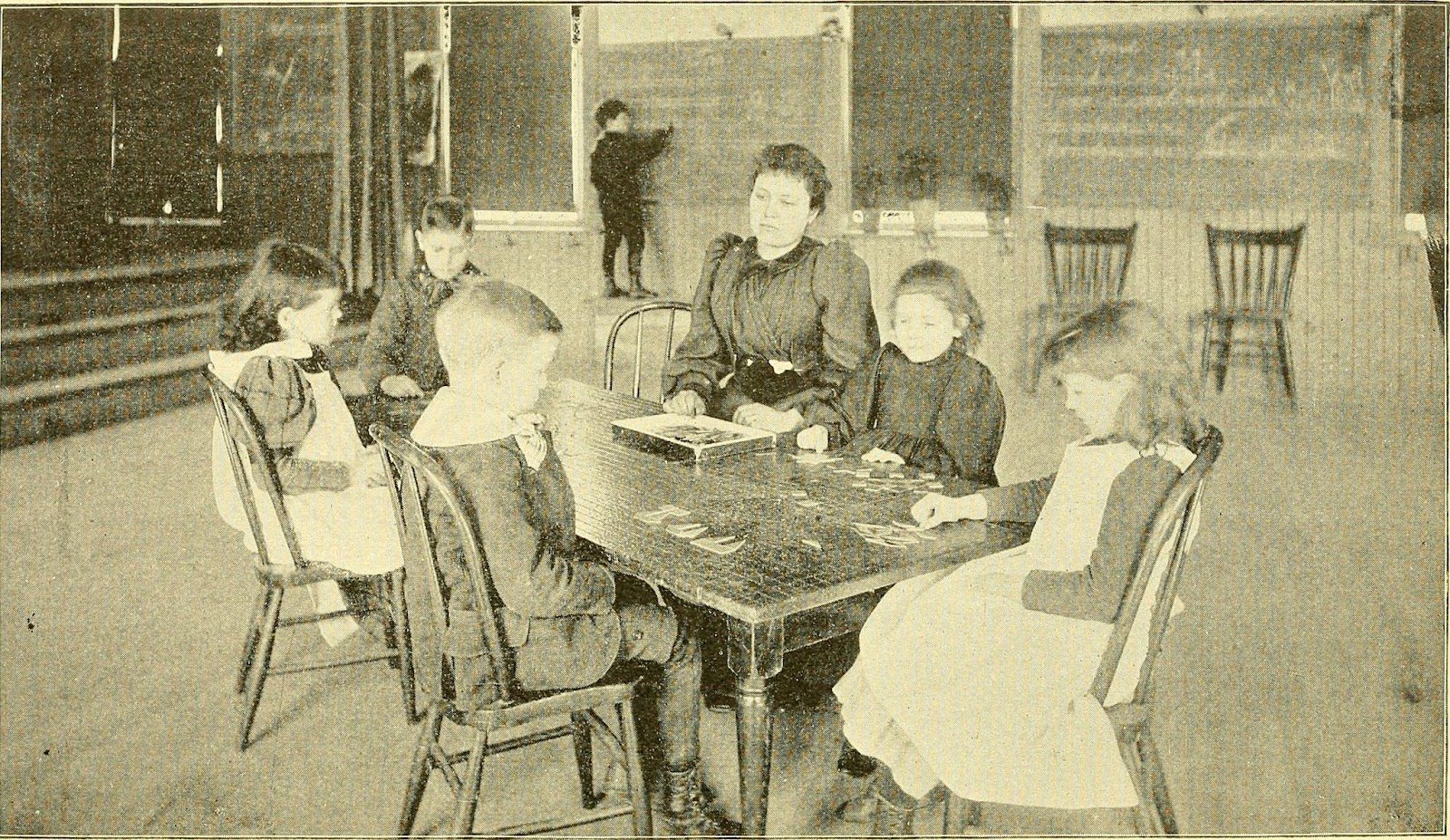
The first schools in the city were established in the early 1830s, after the population began to swell. These institutions were improvised and primitive. One teacher managed classes that contained 100 students ranging in age from 4 to 17.
In 1837, Chicago received its city charter, after which funding for schools became meager. As for conditions in the schools, they left much to be desired. A 1845 inspection found that educational facilities were very dirty and had an unbearable stench, and classrooms lacked all necessary equipment for lessons. Moreover, students barely fit into the tiny, poorly lit and ventilated rooms. Under such conditions, teachers struggled just to maintain order.
It is important to note that during that period, most children attended private and parochial schools. Wealthy families who could afford to give their children a good education typically hired private tutors.
By 1900, public schools were expanding and improving curricula. During this period, they employed over 5,000 teachers.
Implementation and Features of Progressive Education in Chicago
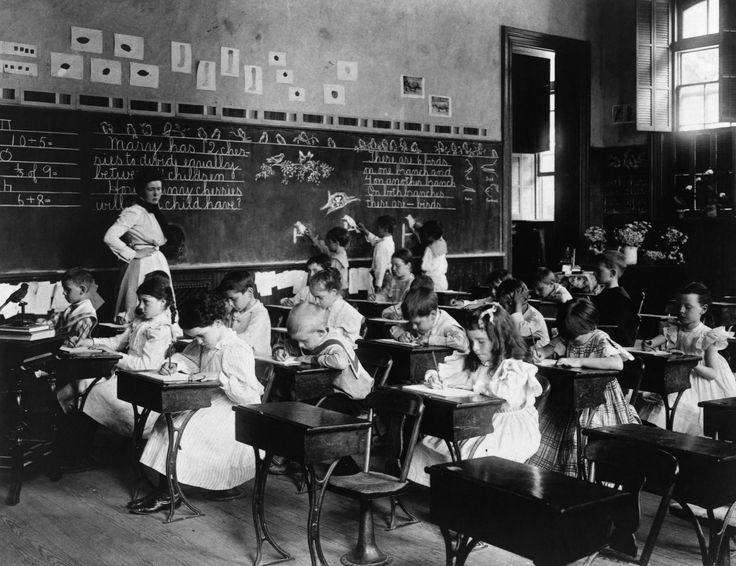
In 1883, Francis Parker was appointed principal of the Chicago-based Cook County Normal School, and soon, through his efforts, education in other institutions began to change. Before moving to Chicago, he developed a unique approach to education that rejected rote memorization and engaged children in the learning process through play. John Dewey—an American educator and philosopher—also expressed dissatisfaction with the traditional teaching methods of the period, and in 1894, he enrolled his children in Parker’s school. Soon after, together with his wife Alice, he founded his own Laboratory School at the University of Chicago, where he began implementing new teaching approaches. The effort succeeded, and Dewey soon became known as the founder of Progressive Education.
His progressive philosophy was rooted in an optimistic view of human nature. Progressive schools attempted to avoid the rigid regimentation that characterized most educational institutions of the era. Children who attended such schools studied in informal settings, and the curriculum was aligned with their needs and interests.
In 1902, after Parker’s death and Dewey’s departure from Chicago, their ideas continued to influence educational practice for many years. The school founded by Parker, which bears his name, is still operating today.
By the 1940s, progressive ideology and rhetoric had become widely accepted in many school classrooms. However, in the Cold War atmosphere of the 1950s, progressivism in education faced criticism. It was viewed as an endorsement of Dewey’s relativist ethics and as not sufficiently patriotic. Progressive curricula were blamed for lagging preparation for scientific and technical careers, culminating in a crisis of confidence.
In the late 1960s, progressive ideas reappeared, their ideology closely linked to romanticism. However, this movement proved short-lived. People once again began to oppose the progressive ideology, and in the 1970s, the main focus shifted to back-to-basics education rooted in national learning standards.
Vocational Education
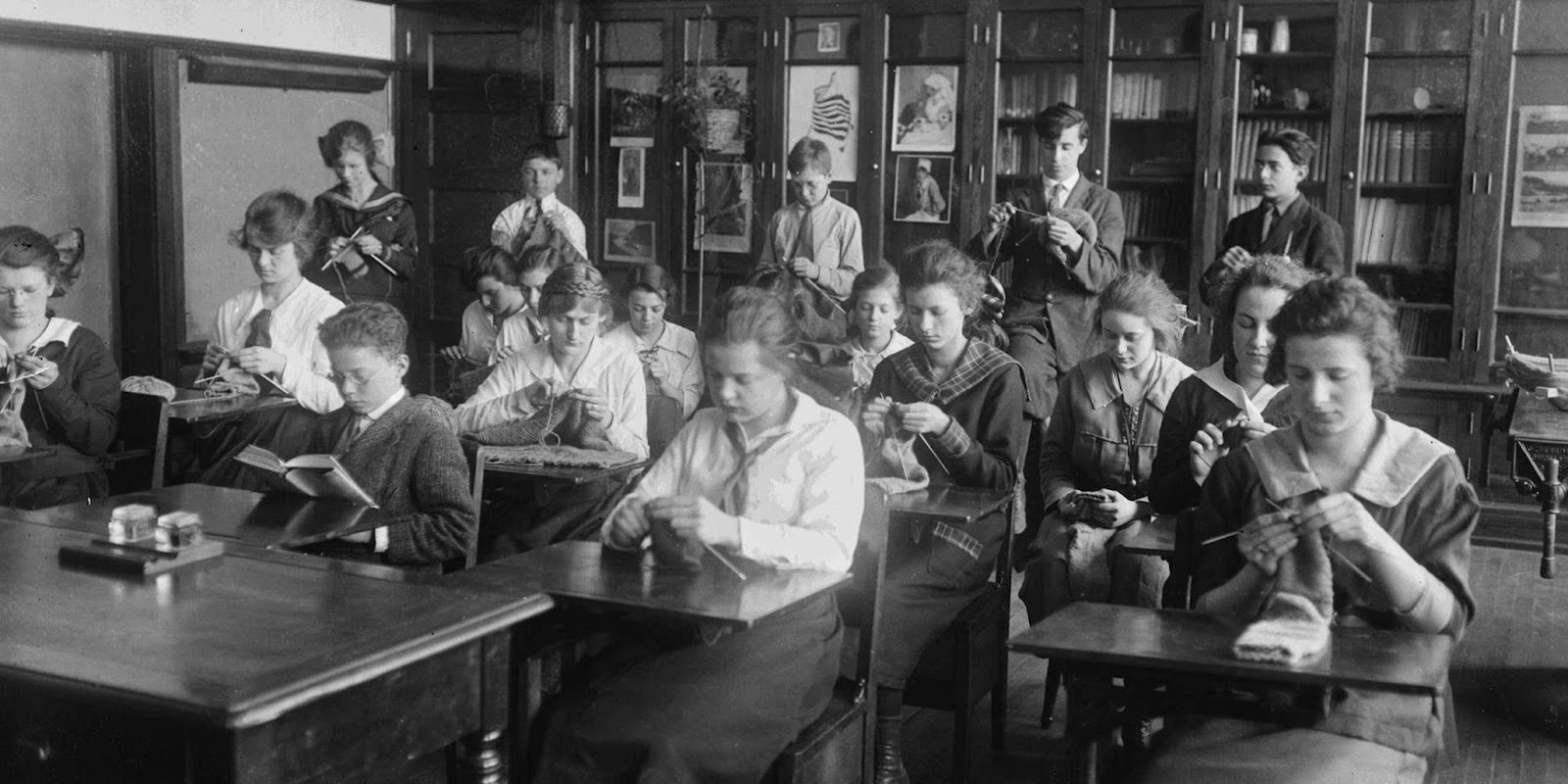
In the early 20th century, Chicago became a major center for educational reform. Several prominent reformers created experimental curricula then. The need to adapt schools to the new industrial century was unquestionable. Few believed that schools should merely replicate the traditional teaching model. As Dewey argued in a series of lectures at the University of Chicago, the rapid changes brought about by industrialization required a different kind of education. The new society was disrupting the natural transition from childhood to work.
At the same time, members of Chicago’s influential business community realized that schools could play an important role in preparing the next generation of workers. They argued that these institutions should offer a vocational curriculum for future factory and office workers, teaching the skills necessary for employment.
Business leaders agreed with educational reformers like Dewey and others, thus welcoming the idea of teaching manual labor in schools. It was considered essential to give children basic knowledge about how to use various tools. But in the early 20th century, when the demand for a highly skilled workforce became urgent, they argued that schools must move beyond teaching manual labor and instruct in real-world professions.
By 1912, Chicago Public Schools adopted a new philosophy and introduced a differentiated curriculum, encouraging 6th-grade students to choose between academic and industrial tracks. The Board of Education also created several types of high schools; thus, technical schools with two-year programs prepared children for skilled labor positions. In these schools, academic subjects were given a workplace orientation.
Vocational education soon became popular in general high schools, and by 1913, 16 out of the city’s 21 high schools offered vocational courses. Simultaneously, at the request of businessmen, the Board introduced a program of commercial courses in high schools—such as bookkeeping, typing, and business English. This program also included more specialized courses in sales and advertising. As of 1914, one-third of high school students were enrolled in full-time and evening commercial courses.
The Great Depression negatively impacted all aspects of Chicago Public Schools, including vocational training programs. In 1933, facing a devastating financial crisis, the Board of Education increased teacher workloads, cut their salaries, and eliminated many vocational programs and courses.
After World War II, when technology began to be widely adopted worldwide, the main focus of worker training shifted to municipal colleges and vocational centers. Malcolm X College, founded in 1911, offered its students a large number of vocational programs in medicine and computer science. Truman College established itself as one of the best in Illinois. Soon, other city colleges created a number of centers where students could learn and hone job skills.
Education in Chicago also included a large number of postgraduate training institutions. These were primarily teacher education programs, initially offered in public schools and later in other educational institutions. This allowed anyone interested to obtain higher education in law, medicine, and business in the city.
The Education System in the 21st Century
In the early 21st century, education in Chicago remains fragmented. Over the last few decades, city schools have undergone a large number of changes related to school reform and the educational process. Suburban institutions hold significant advantages, and the emergence of new tests and other ways to compare achievement levels makes it impossible to ignore these differences. The region’s private schools primarily serve white children from affluent families, while city schools predominantly educate African Americans.