

The history of Ukrainian education in Chicago is both a story of the struggle to preserve national identity and an example of how education becomes a bridge between generations. The first Ukrainian-language educational institution in Chicago was established by the local Ukrainian community in the mid-20th century. You can also learn about the history of Columbia College Chicago. More details are available at chicago1.one.
The Need for Education
After World War II, Chicago became one of the main centers of Ukrainian emigration. Over several decades, the city welcomed thousands of Ukrainians who had left their homeland due to repression, Soviet occupation, and political persecution. Many others arrived seeking a better life, stability, and opportunity. This marked a crucial phase for Chicago, which was gradually transforming into a vital center for the Ukrainian diaspora in America. One of the primary goals for these emigrants was the preservation of their culture, language, and national consciousness, especially among the younger generation. Therefore, by the early 1950s, there was an urgent need to create educational institutions where Ukrainian children could study their native language, history, and traditions.
The first Ukrainian school in Chicago was established through the initiative of local community organizations and churches. It became a place where children could not only gain knowledge but also maintain a connection with their cultural heritage. The schools that emerged during this period often operated out of Orthodox churches or cultural centers. They offered lessons in Ukrainian language, literature, history, and religion. Parents who were dedicated to ensuring their children received a Ukrainian upbringing actively supported these educational initiatives. Thus, an entire movement formed in Chicago, uniting people around the idea of preserving Ukrainian culture through education.
As the number of Ukrainian families in Chicago grew, the demand for new schools and educational programs increased. In the 1970s, secondary schools began to appear, offering subjects taught in Ukrainian, and by the 1980s, schools operating on a permanent basis were open, providing a full educational process for children of various ages. Maintaining Ukrainian identity through education became an essential aspect of diaspora life. Many of these schools not only taught academic subjects but also served as important cultural centers where Ukrainian traditions were celebrated, and lectures, performances, and other cultural events were held. In this way, educational initiatives helped preserve traditions and strengthen unity within the Chicago Ukrainian community.
The First Ukrainian-Language Educational Institution
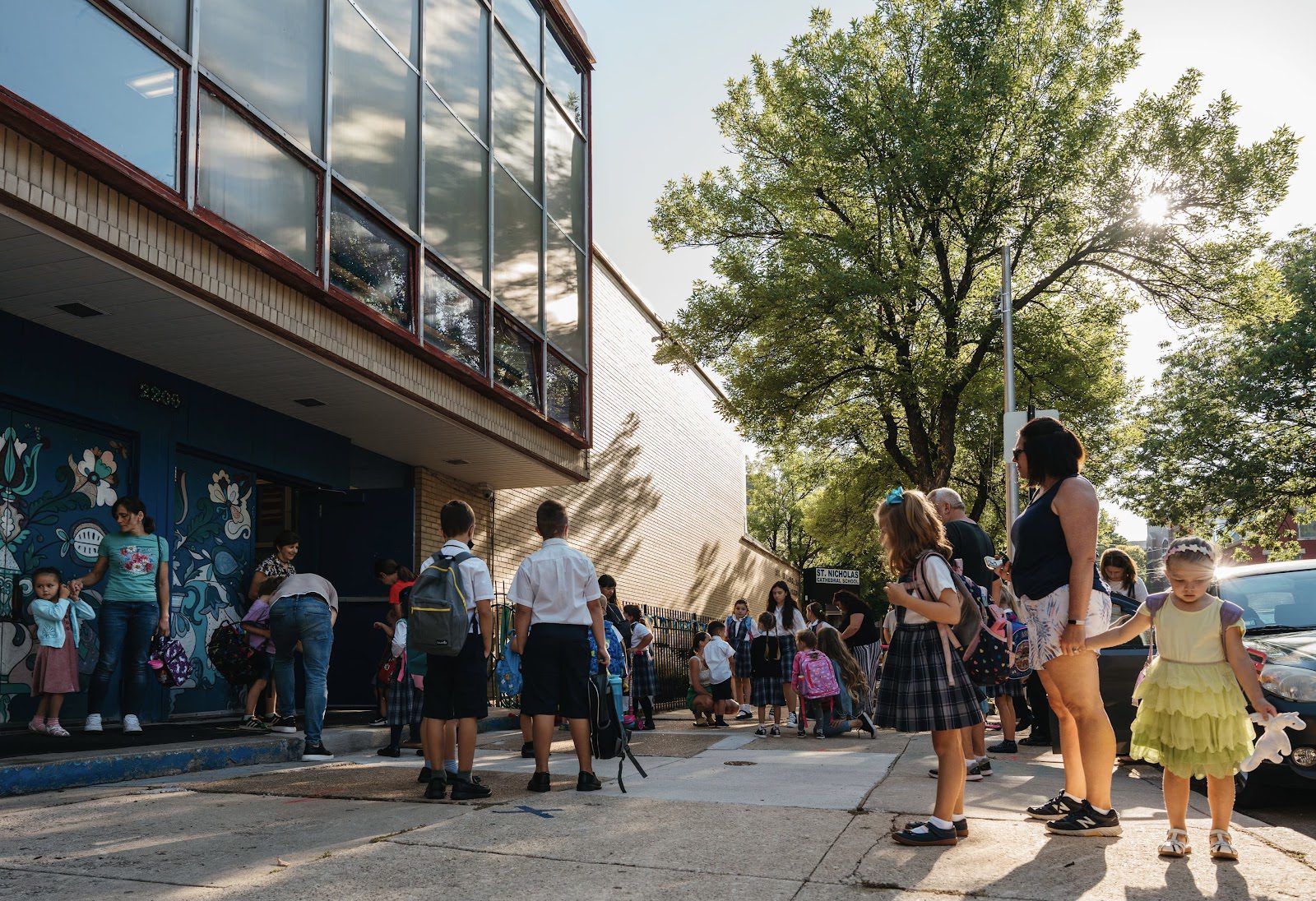
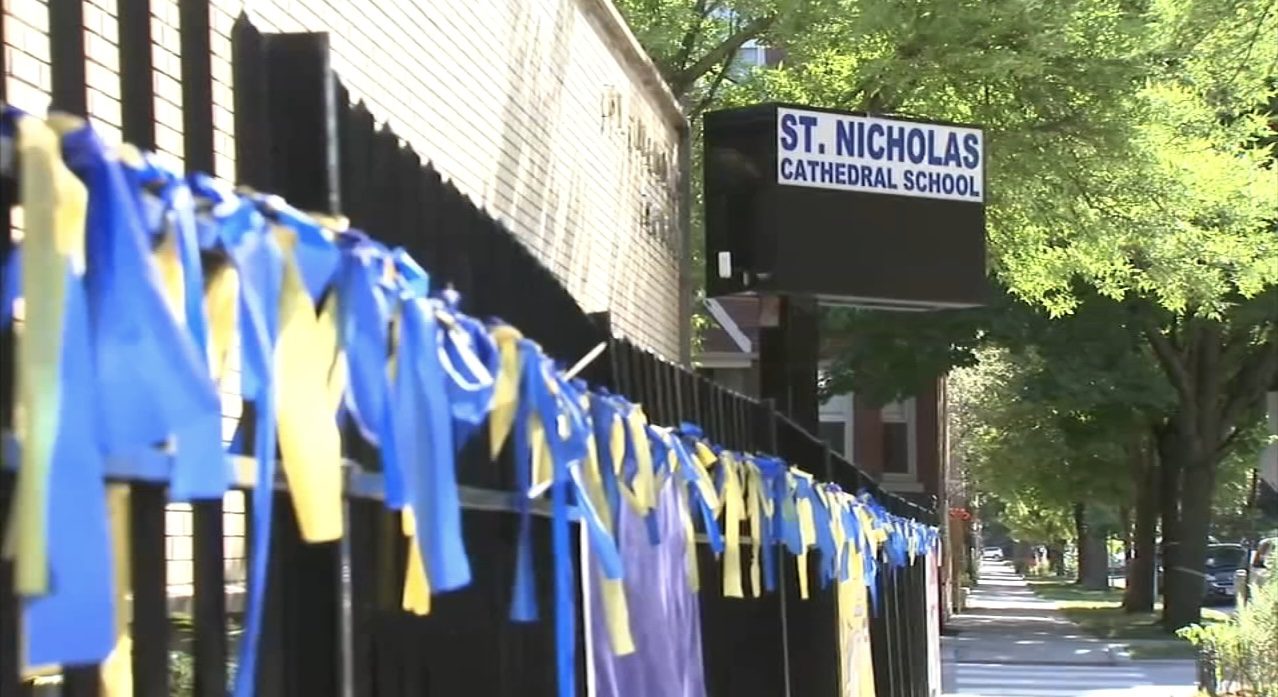
One of the first such institutions was the Ivan Franko Parish School, which opened in the mid-1950s at St. Nicholas Cathedral in Chicago. It was the premier Ukrainian-language school in the city and played a critical role in supporting the cultural identity of Ukrainians who had settled in the U.S. The school operated as a Saturday school, which was typical for many immigrant communities. Its goal was not only to provide basic knowledge in various subjects to children of Ukrainian families but also to preserve the Ukrainian language and culture. Students could gain knowledge of Ukrainian language and literature, Ukrainian history, geography, and ethnography. Classes also included music and dance courses, allowing children to immerse themselves more deeply in Ukrainian culture and traditions.
The Ivan Franko School became a vital hub for Ukrainian youth seeking a way to remain part of their national community, even far from their homeland. For many years, the school continued to operate, and its graduates participated in various cultural and civic initiatives. The lessons taught at the school were not just academic. They were about fostering a sense of pride in one’s culture, maintaining a connection with history and traditions, and emphasizing the importance of preserving one’s identity even when far from home.
Other Ukrainian-Language Schools in Chicago
The Ivan Franko School marked a significant milestone in the development of Ukrainian education in Chicago. Its success not only confirmed the need for Ukrainian-language education but also inspired the creation of new educational institutions that continued to popularize Ukrainian culture and language among immigrant families. Thanks to the positive experience of this school, other initiatives emerged, focused on preserving Ukrainian identity through education.
One such initiative was the school opened at the Ukrainian Cultural Center on Chicago’s North Side. The Center became an important gathering place for the Ukrainian community, and its school offered classes in Ukrainian language, literature, history, and culture. It quickly became popular among Ukrainian families dedicated to passing on knowledge about Ukraine and its rich traditions to their children.
Another significant initiative was the school established at the St. Volodymyr and Olha Ukrainian Orthodox Church. This school not only provided students with academic knowledge but also focused on religious traditions, which are a vital component of Ukrainian culture. Lessons in prayer and exposure to Orthodox holidays and rituals became important for shaping the children’s spiritual world. Like other Ukrainian educational institutions, this school also aimed to provide both education and the preservation of Ukrainian traditions in a new cultural environment.
Yet another important phase in the development of Ukrainian Saturday schools involved educational institutions affiliated with the Ukrainian Youth Association (SUM) and Plast (National Scout Organization of Ukraine). These organizations created schools that became not just places for learning but also centers for social activity, leadership development, and cultural traditions. Plast, in particular, paid special attention to patriotic education through participation in various events, programs, camps, and educational activities that helped youth maintain a connection with their national heritage.
Ukrainian-Language Schools in the 21st Century
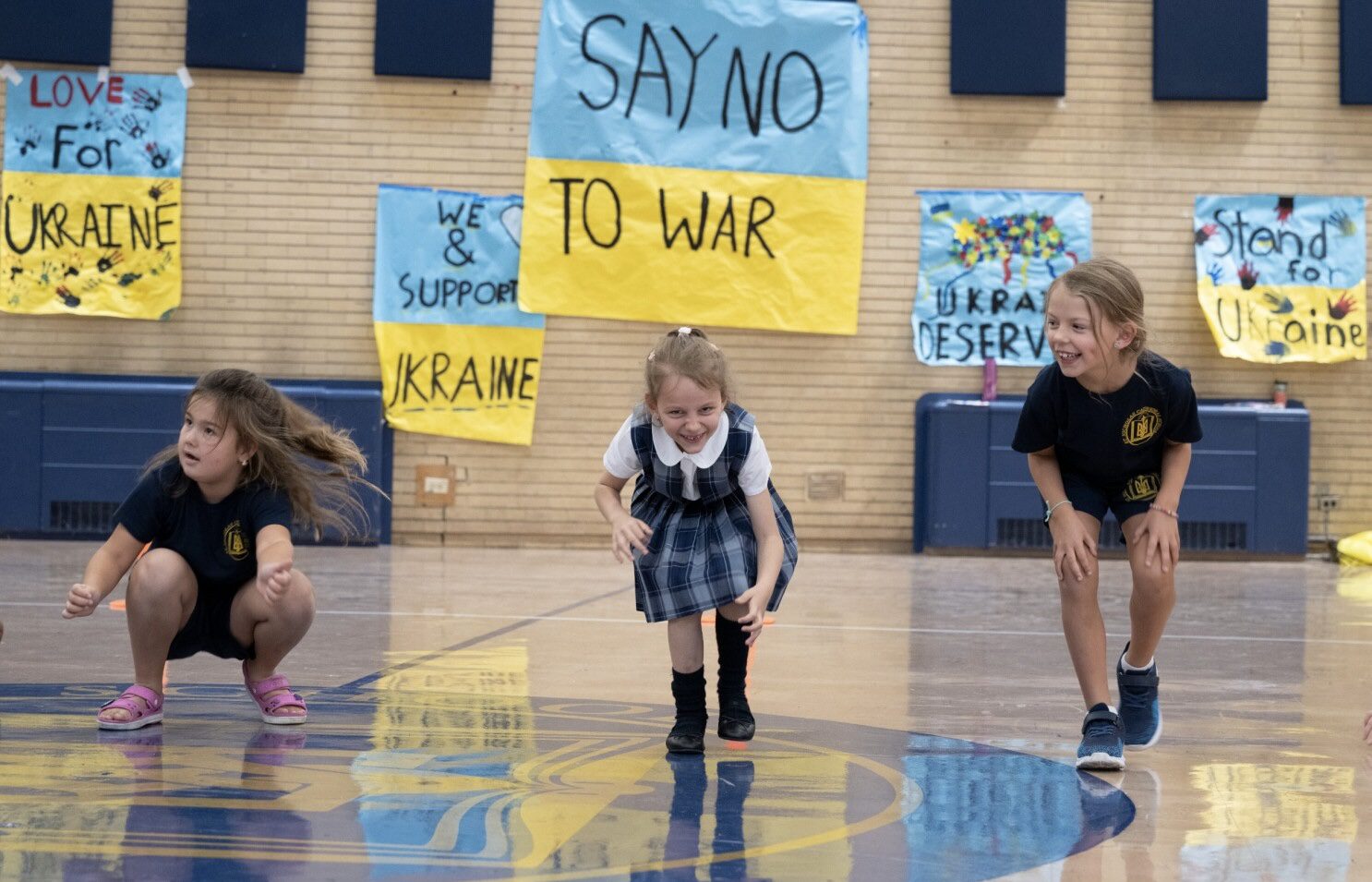
In the 21st century, at least five Ukrainian-language schools operate in and around Chicago, continuing the work started by the first Ivan Franko School. These institutions not only preserve national identity but also adapt to new challenges, particularly technological and social changes. They have a critical mission: to support Ukrainian culture and language among the younger generation, and to help newly arrived children integrate into American society. They organize special support programs for children, conduct integration courses, and assist with language adaptation and psychological support. Assistance programs for new children include learning English, integration into the American education system, and the preservation of Ukrainian language and culture.
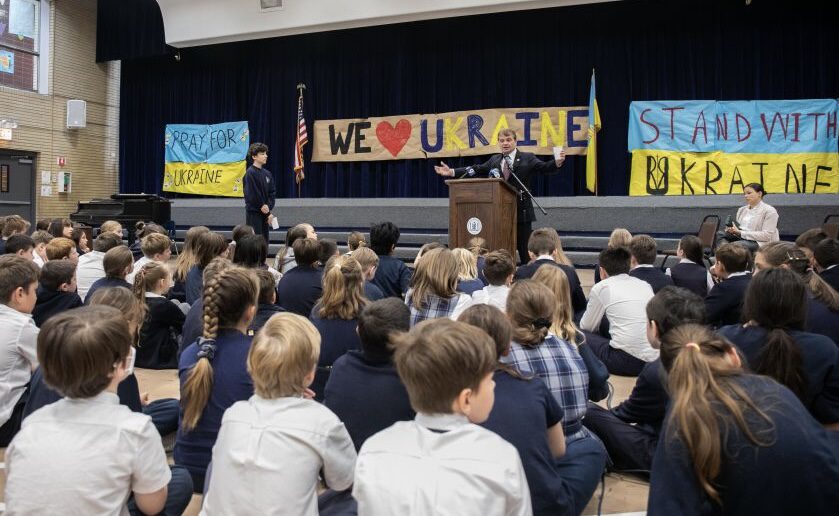
Modern Ukrainian-language schools in Chicago have significantly expanded their scope of activity. They organize cultural events, exhibitions, concerts, and holiday celebrations where children have the opportunity to showcase their talents and introduce the local community to Ukrainian cultural heritage. Amidst constant change and new challenges, Ukrainian-language schools in Chicago continue to fulfill their crucial role, preserving the heritage of the past and adapting it to the contemporary world. These schools are not just educational centers, but focal points of national pride, where children learn to love and respect their culture, history, and language.
Also, find out about the professional life of women in Chicago in the past.