

Chicago is a city of opportunity, and that statement applies not just to adults but to children as well. The metropolis’s educational landscape is striking in its diversity: from general public schools to specialized academies, from art clubs to high-tech labs for young inventors. Hundreds of schools, cultural centers, educational initiatives, and support programs operate here that can help a child find their calling, develop talents, and confidently step toward a successful future. In this article, we’ve gathered practical advice, program examples, and useful resources to help turn education into an adventure for the whole family. Learn about the best universities in Chicago. Continue reading on chicago1.one.
Choosing the Right School
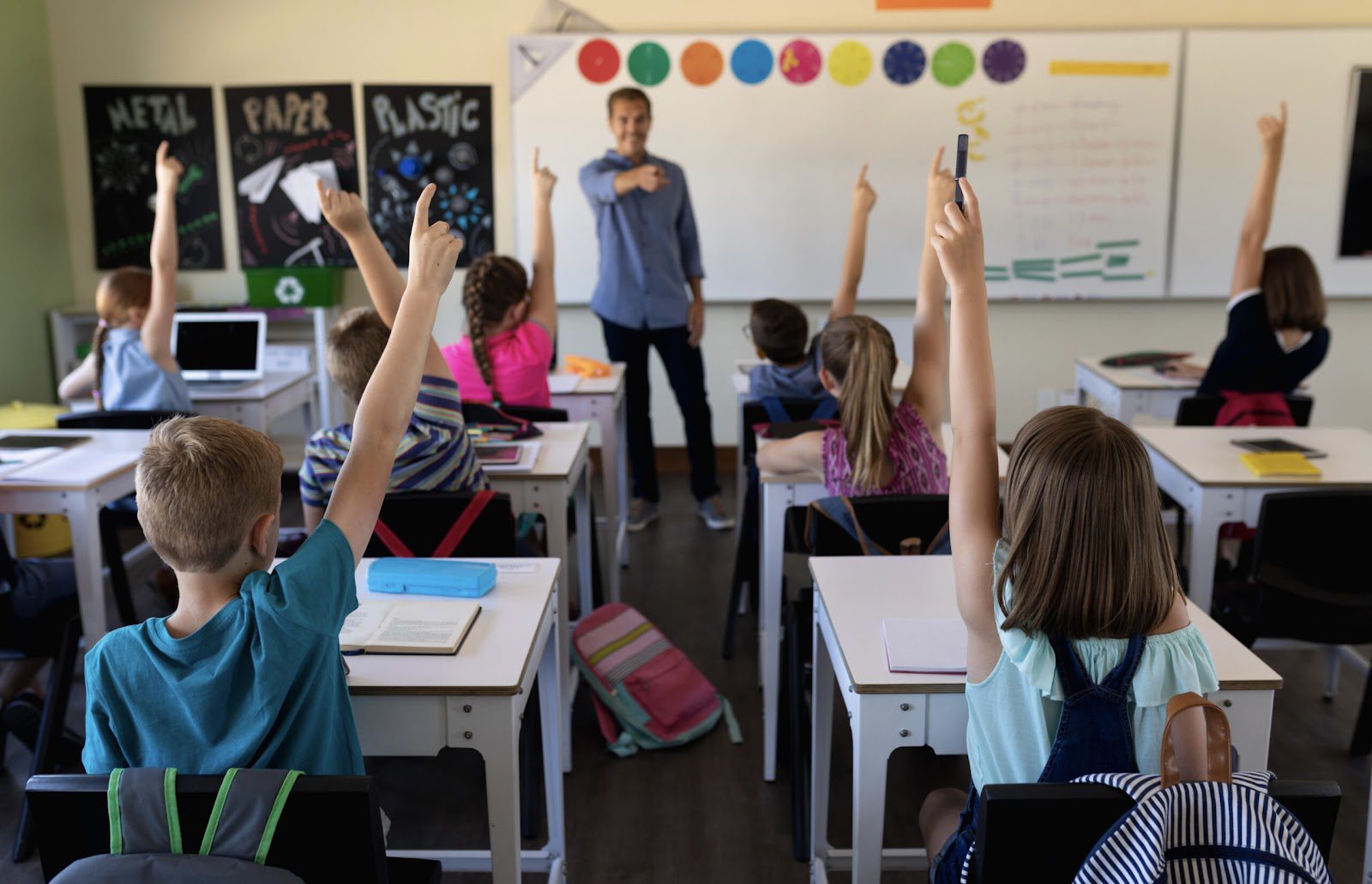
In Chicago’s multifaceted educational environment, parents face a challenging choice among over 600 public schools, dozens of private institutions, charter schools, and magnet schools, all with varying programs and specializations. From schools focusing on STEM (Science, Technology, Engineering, Math) to arts academies and language centers—the options are countless. However, the key to a successful choice is not in the ranking score, but in how well the school meets your child’s specific needs. The GoCPS program, which allows you to choose a school not strictly based on neighborhood boundaries, significantly widens the search field. Parents can review school profiles, educational philosophies, submit multiple applications simultaneously, and take interviews or tests if required.
However, specialists advise: don’t rely only on academic statistics. It’s important to pay attention to:
- The school’s atmosphere—is it friendly, and do students feel safe and supported?
- The level of parent-school interaction—is the administration open to dialogue and is communication regular?
- An individualized approach to learning—are educators skilled at noticing a child’s strengths and weaknesses and adjusting their teaching style?
- Extracurricular development opportunities—clubs, sports sections, volunteer programs, and creative labs.
The best school is not the one with the highest ranking score, but the one where your child will grow up happy, self-assured, and receive support on their unique journey.
After-School Education
In a large city like Chicago, the possibilities for a child’s development outside of school are endless. And parents should utilize them not just as supplements, but as a component of comprehensive learning and personal growth. After-school activities don’t just entertain; they foster skills that aren’t always covered in a classroom: creativity, teamwork, self-discipline, and self-confidence. Dozens of clubs, studios, and programs tailored to children’s interests and age groups operate in every Chicago neighborhood.
The Chicago Park District is a true treasure trove of low-cost, and often free, programs: sports sections, art classes, dance lessons, table tennis, swimming, and more. Programs cover preschoolers, elementary students, and teenagers.
After School Matters is an innovative program for teenagers aged 14–18. Here, they can learn culinary arts, fashion design, filmmaking, journalism, programming, or robotics for free. Participation in the program may even include a stipend, which adds motivation.
The Chicago Public Library is more than just books. Libraries host regular workshops, board games, literary clubs, creative labs, summer reading programs, and meetings with artists and scientists. Psychologists and educators emphasize that extracurricular activity develops emotional intelligence, helps children better understand themselves, reduces stress levels, and teaches them how to build relationships within a group. This is especially vital in the modern world, where social skills are often as important as academic knowledge.
Parents who support their children’s participation in after-school life are investing in their confidence, motivation, and future competitiveness. The main thing is to listen to the child’s own interests and allow them to try different fields.
Education at Home
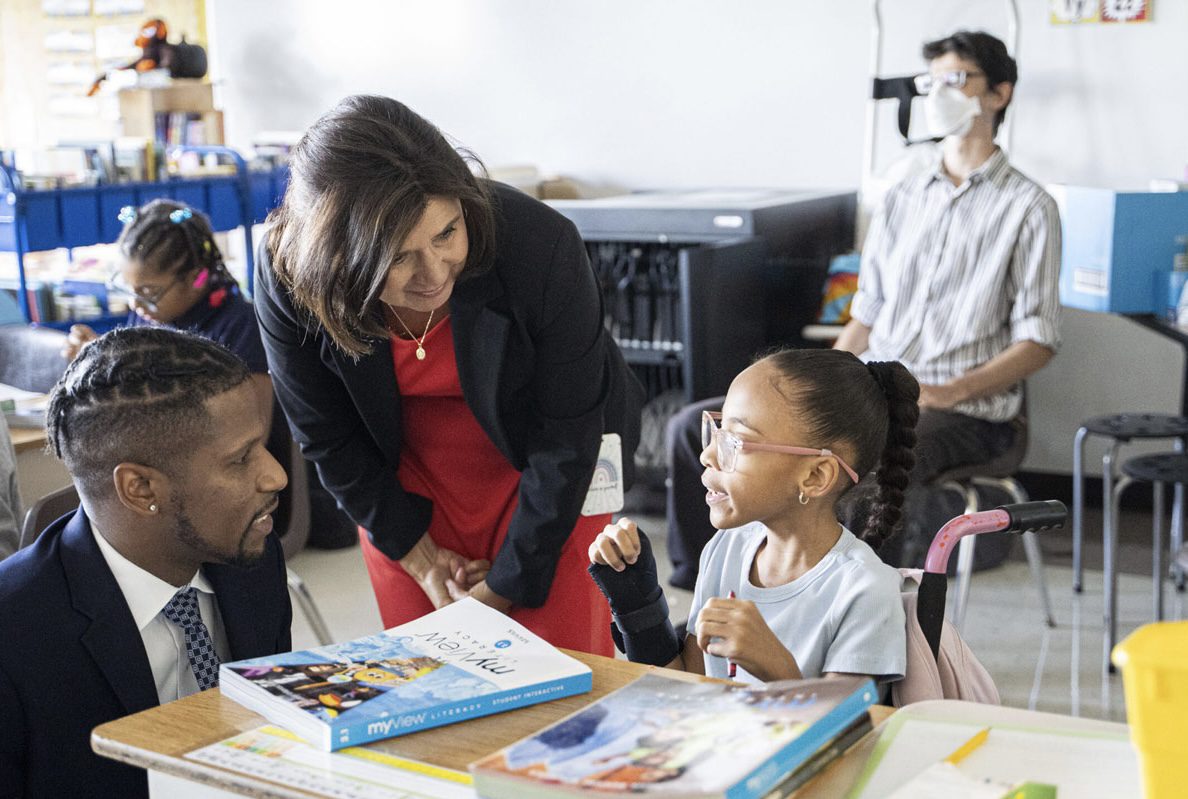
Education is not limited to the classroom walls. The deepest insights, most important discoveries, and strongest skills are often formed at home, where a child feels support, curiosity about the world, and freedom to think. The family environment can become the foundation upon which curiosity, creativity, and self-confidence grow. Create a space for development—both intellectual and emotional. This doesn’t require massive investment or specialized education. Simple but regular practices suffice:
- Read together. This develops imagination, vocabulary, and critical thinking.
- Play logical games. Chess, “UNO,” “Scrabble,” Sudoku, and puzzles—all of these train memory, focus, and strategic thinking skills.
- Watch documentaries, science shows, or biographies of famous people together. Choose topics that might interest the child: from space to cooking.
- Ask questions. Even better—encourage the child to ask them.
Chicago libraries are an incredible source of knowledge. They are not just shelves of books but true educational hubs. At the Chicago Public Library, you can do the following completely free of charge:
- Borrow books and graphic novels.
- Use laptops, 3D printers, and music studios.
- Take online courses in languages, math, design, and history.
- Enroll your child in creative workshops or STEM classes.
- Use learning platforms such as LinkedIn Learning, Tutor.com, and Brainfuse.
Support Programs
Every child is unique—who others show extraordinary abilities in math or art, while others need more time, attention, and support to feel confident in the classroom. That’s why Chicago has numerous programs designed to support diverse educational needs. They are created so that every child can receive a quality education, motivation, and a chance for success.
Chicago Scholars is one of the most well-known initiatives for talented students from low-income families, helping them prepare for admission to colleges and universities. The program offers academic mentorship, leadership training, assistance with college selection, and even support during the first years of college.
Big Shoulders Fund is a foundation that provides financial aid, academic support, mentorship programs, and extracurricular initiatives for students in Catholic schools in Chicago. Its goal is to preserve access to quality education even for families with limited resources.
Youth Guidance is an organization that works directly with schools and students. It offers mentorship programs (Becoming a Man and Working on Womanhood), psychological support, counseling, career assistance, and adaptation within the school environment. It is especially helpful for children experiencing difficult life circumstances. These programs are not just for the “gifted” or “troubled.” They are beneficial for:
- children who are learning in a new country;
- teenagers who are unsure of their path after school;
- families seeking an individualized approach;
- students who need emotional balance and motivation.
Most programs have their own websites, social media pages, and contact centers. Information about participating in such initiatives can also be obtained from the school administration, through counselors, or on the official Chicago Public Schools platform.
Also, learn about Ethel Payne, the “queen” of American journalism.