

Chicago is renowned worldwide for its iconic skyscrapers, vibrant streets, and industrial heritage. Yet, the city is also the birthplace of the global labor movement. More than a century ago, fierce struggles unfolded in Chicago that forever reshaped how the world views fair wages and working hours, while establishing the tradition of May Day—International Workers’ Day. Read more at chicago1.one.
Today, the fight for labor rights in Chicago remains as vital as ever—it has simply evolved. From 19th-century grassroots uprisings to the passage of the Workers’ Rights Amendment and the formal recognition of unions in multinational corporations, Chicago continues to shape the future of American labor law.
Historical Legacy: From the Haymarket Affair to the Eight-Hour Workday
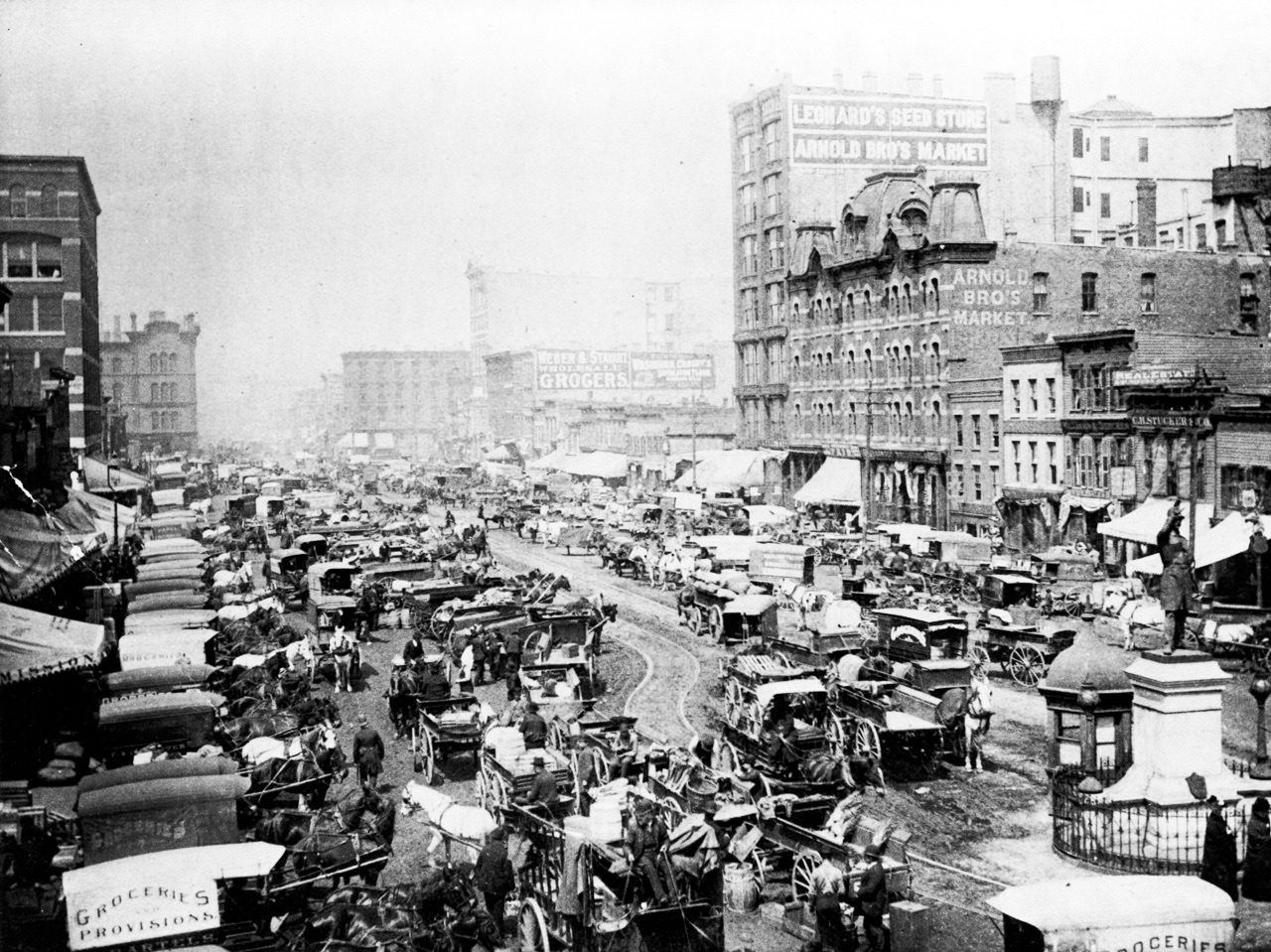
In the late 19th century, Chicago was a magnet for job seekers from around the globe. As the city’s industrial workforce expanded, the need for better working conditions and a standard eight-hour workday became impossible to ignore.
During the 1880s, Chicago laborers routinely worked 10 to 12 hours a day, six days a week—and often even longer. In response to these grueling conditions, labor organizations began to emerge, demanding shorter shifts and the fundamental right to rest.
On May 1, 1886, a citywide general strike was called in Chicago to demand an eight-hour workday. Tens of thousands of workers downed their tools and marched into the streets. The strike spanned several days, but the peaceful protest was marred by violence and loss of life on both sides. Clashes with police outside the McCormick Reaper plant left two striking workers dead.
On May 4, 1886, a rally was held in Haymarket Square in support of the victims. As the gathering was dispersing, an unidentified person threw a homemade bomb into the police ranks. Seven police officers were killed in the blast and gunfire, and dozens of people were injured. The rally organizers were subsequently tried and executed in a highly controversial trial.
The Nationwide Rail Strike and the Chicago Pullman Boycott
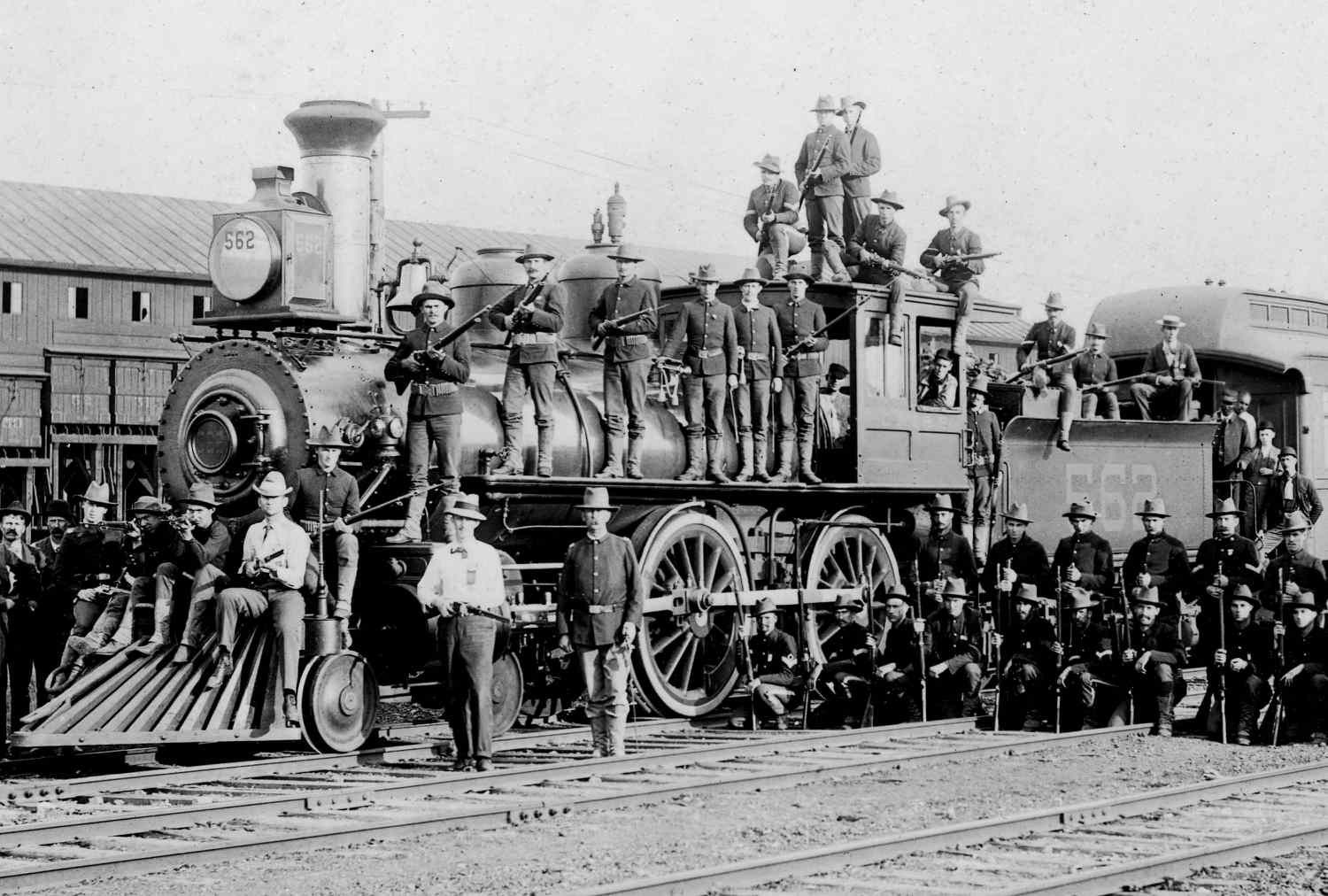
In 1867, industrialist George Pullman founded the Pullman Palace Car Company to manufacture luxury passenger railroad cars. Within a short time, the company virtually monopolized the industry. In the 1880s, Pullman built a vast plant and a planned company town on the outskirts of Chicago. Initially, wages and living conditions were considered satisfactory. However, following an economic downturn, management slashed workers’ wages while refusing to lower the high rents in the company-owned housing.
This sparked the massive Pullman Strike of 1894. What began as a local walkout quickly swelled into a nationwide boycott by railroad workers. Rail traffic ground to a halt across vast swathes of the country until the federal government intervened with troops to crush the strike.
Despite the crackdown, these monumental strikes left an indelible mark on history. One major milestone of this era was the formation of a unified voice for the local working class—the Chicago Federation of Labor.
Another historic outcome of the Pullman Strike was the official creation of Labor Day. In an effort to ease severe public unrest, the U.S. Congress hastily passed legislation on June 28, 1894, designating the first Monday in September as a national holiday honoring the contributions and dignity of American workers.
The Evolution of Chicago’s Labor Standards in the 20th Century
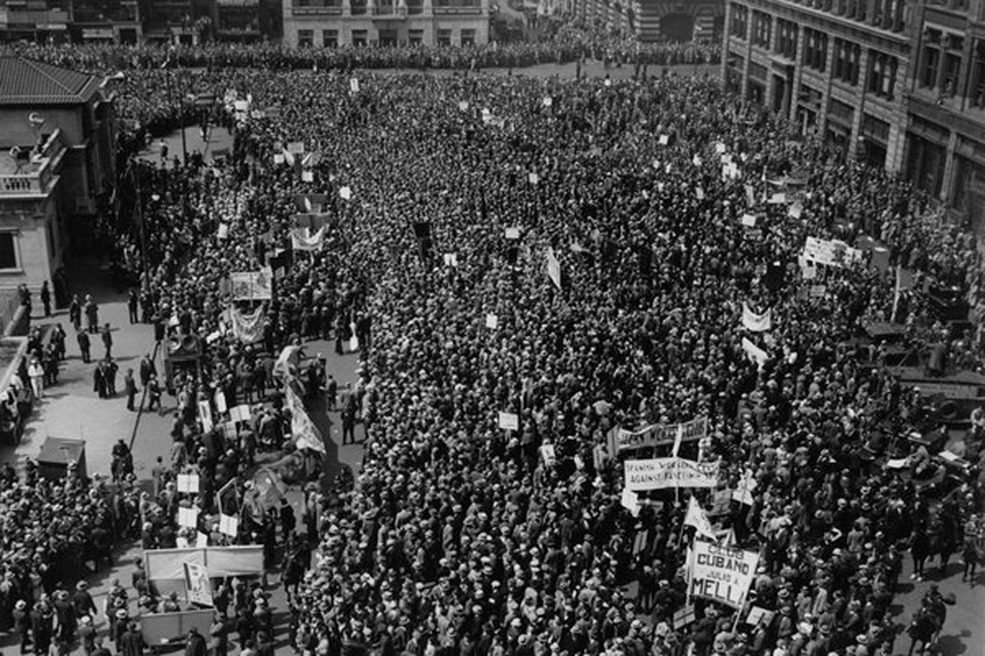
Over the course of the 20th century, labor activism in Chicago shifted from street protests to legislative victories and collective bargaining agreements. During this era, exhausting 12-hour shifts with virtually no days off gave way to a standardized 40-hour workweek, while child and female labor was brought under strict regulatory oversight.
A major catalyst for reform came in the early 1900s with the publication of Upton Sinclair’s novel The Jungle, which exposed horrific and unsanitary working conditions in Chicago’s meatpacking plants. The exposé triggered an enormous public outcry and forced the federal government to step in. That same year, Congress passed both the Pure Food and Drug Act and the Federal Meat Inspection Act, establishing rigorous sanitary inspections and radically transforming work standards across the city’s food processing sector.
Illinois state law evolved concurrently to safeguard vulnerable workers. In 1903, the state enacted the Child Labor Act, prohibiting the employment of children in hazardous industries. Two years later, Illinois capped daily shifts at 10 hours for women employed in manufacturing plants.
The decisive turning point arrived during the New Deal era of the 1930s. Following decades of union advocacy, President Franklin D. Roosevelt championed the National Industrial Recovery Act (NIRA), which established the 40-hour workweek as a national baseline. Although the Supreme Court struck down the act two years later, its core provisions were permanently codified in landmark legislation like the Fair Labor Standards Act of 1938 (FLSA).
For Chicago—a powerhouse of American manufacturing—the enactment of the FLSA marked the close of an era of labor exploitation and paved the way for modern labor relations.
Legal Protections for Workers in Chicago and Illinois
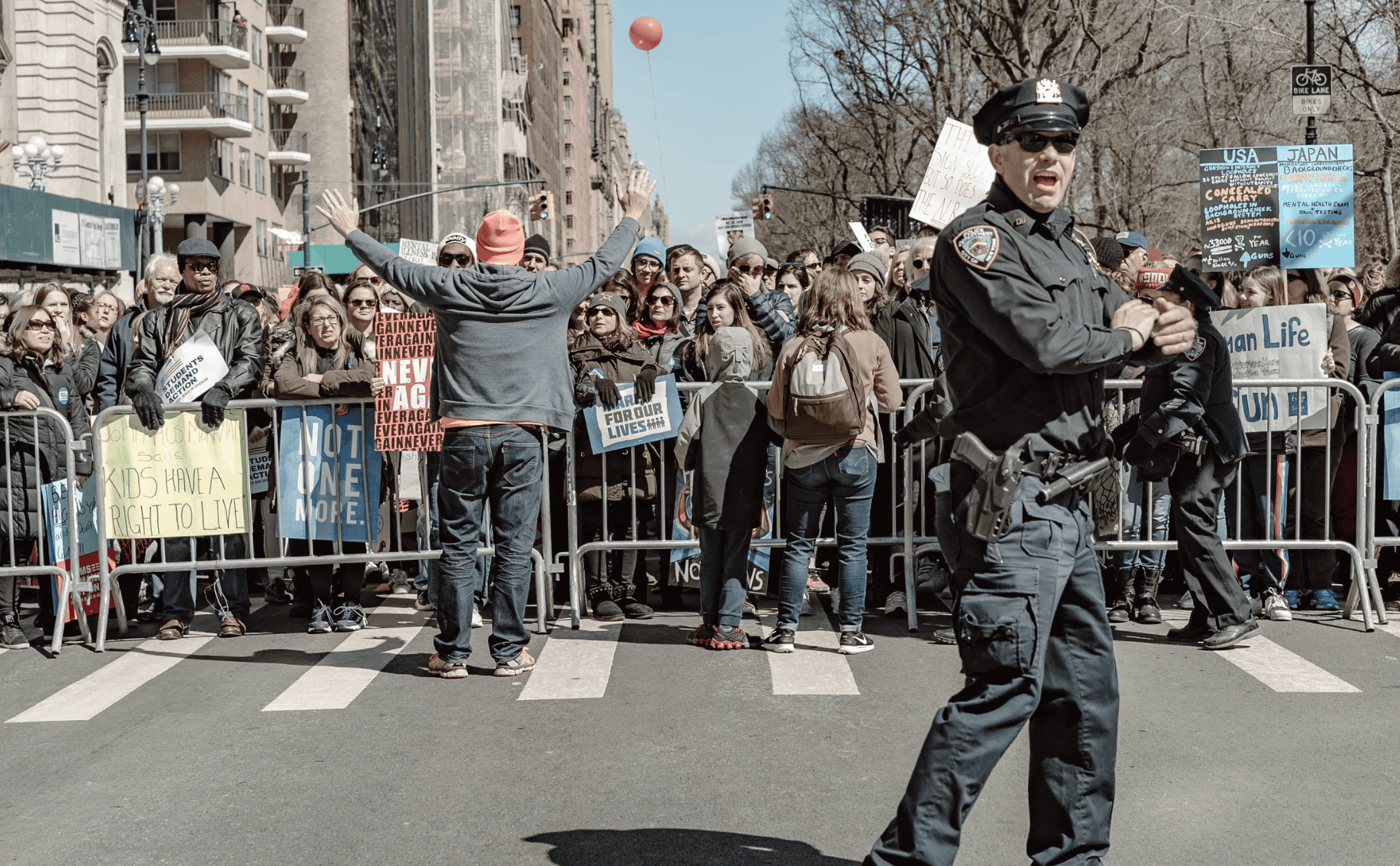
Today, Chicago’s labor market is recognized as one of the most progressive and legally protected in the United States—a direct result of its storied labor movement. What workers once fought for on the picket lines is now firmly enshrined in municipal ordinances and Illinois state statutes.
These laws strictly regulate compensation, employee responsibilities, and termination procedures. Key protections guaranteed under state and federal law include:
- safe working conditions: The Illinois Occupational Safety and Health Act allows employees to report workplace hazards without fear of employer retaliation or termination;
- fair wages: The minimum wage in Illinois consistently exceeds the federal baseline;
- paid sick leave: Chicago workers are entitled to accrue at least 40 hours of paid sick leave annually;
- protection against wage theft: Employers are legally required to disburse all earned wages promptly and provide full compensation for overtime hours.
One standout local reform is the Chicago Fair Workweek Ordinance. The measure requires employers in covered industries to provide predictable shift schedules well in advance and compensate workers for last-minute scheduling changes.
Chicago’s Lessons for the Modern Labor Market
Chicago’s history is far more than a chronicle of the past; it offers vital blueprints for today’s workers. Against overwhelming odds, 20th-century Chicago laborers fundamentally changed the harsh dynamics of the industrial era.
Illinois’ experience remains acutely relevant a century later, even as digital conglomerates replace smokestack factories. Companies frequently invoke terms like “flexible scheduling” to mask unpredictable hours and unpaid overtime. Yet Chicago’s past proves that technological progress should never come at the expense of basic worker protections.
The greatest lesson the Windy City offers the world is that collective action can challenge entrenched corporate interests and reshape national policy. A prime contemporary example is Illinois’ passage of the Workers’ Rights Amendment, cementing the right to organize and collectively bargain into the state constitution.
In an era of rapid technological disruption, Chicago’s legacy serves as an enduring reminder: fair working conditions and human dignity are achieved only through courage and unity.