

Often dubbed the “Wall Street of the Midwest,” this legendary corridor in downtown Chicago has shaped the destiny of major fortunes throughout the 19th and 20th centuries. LaSalle Street is a living museum of financial history: within the walls of its landmark towers, traditional open-outcry pit trading has evolved into high-frequency electronic trading, while top-tier law firms and tech ventures operate alongside banking giants.
To discover how LaSalle Street emerged as the financial pulse of Chicago—weathering catastrophic fires and prolonged economic downturns—and to explore the career opportunities it offers professionals across finance, law, and banking, read the full story on chicago1.one.
The Origins of LaSalle Street
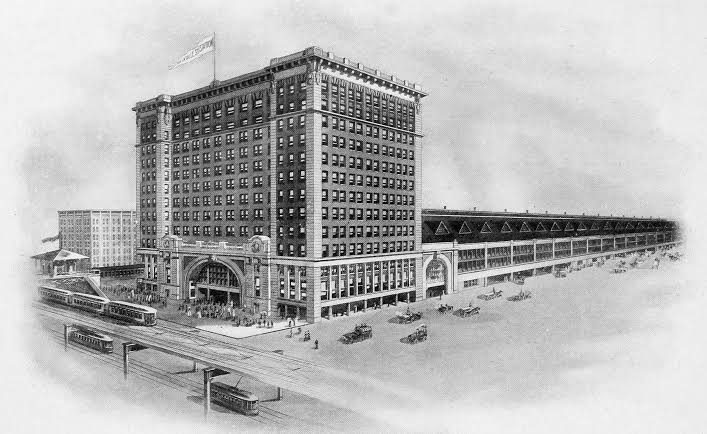
Today, LaSalle Street captivates visitors with its monumental architecture and soaring skyscrapers, framing the historic core of downtown Chicago—the Loop. Yet long before corporate headquarters dominated the skyline, this corridor was little more than wooden plank roads bordered by modest pioneer homes.
The street’s history dates back to the 19th century. It was named in honor of René-Robert Cavelier, Sieur de La Salle, the renowned 17th-century French explorer who mapped the Great Lakes and the Mississippi River. Even then, the explorer recognized the area’s immense commercial potential.
On March 4, 1837, Chicago was officially incorporated as a city. LaSalle Street quickly emerged as a primary thoroughfare due to its prime geographic location near Lake Michigan. As a result, the district swiftly attracted merchants and enterprising traders.
By the 1850s, the first private brokerages and currency exchanges opened their doors along LaSalle Street. Because Illinois long prohibited local banking charters and state-issued currency, money brokers primarily issued insurance certificates and authenticated banknotes issued by other states and private institutions. Step by step, Chicago grew into the premier transportation and logistics hub of the Midwest.
However, the Great Chicago Fire of 1871 shattered city life, burning the central business district to the ground. Yet out of this catastrophe came an unprecedented opportunity for rebirth. During the reconstruction, municipal authorities banned wood-frame construction, mandating the use of fireproof materials for all new buildings.
It was on LaSalle Street that the earliest monumental structures defining the pioneering Chicago School of Architecture first rose.
The Rise of the Chicago Board of Trade: A Defining Turning Point
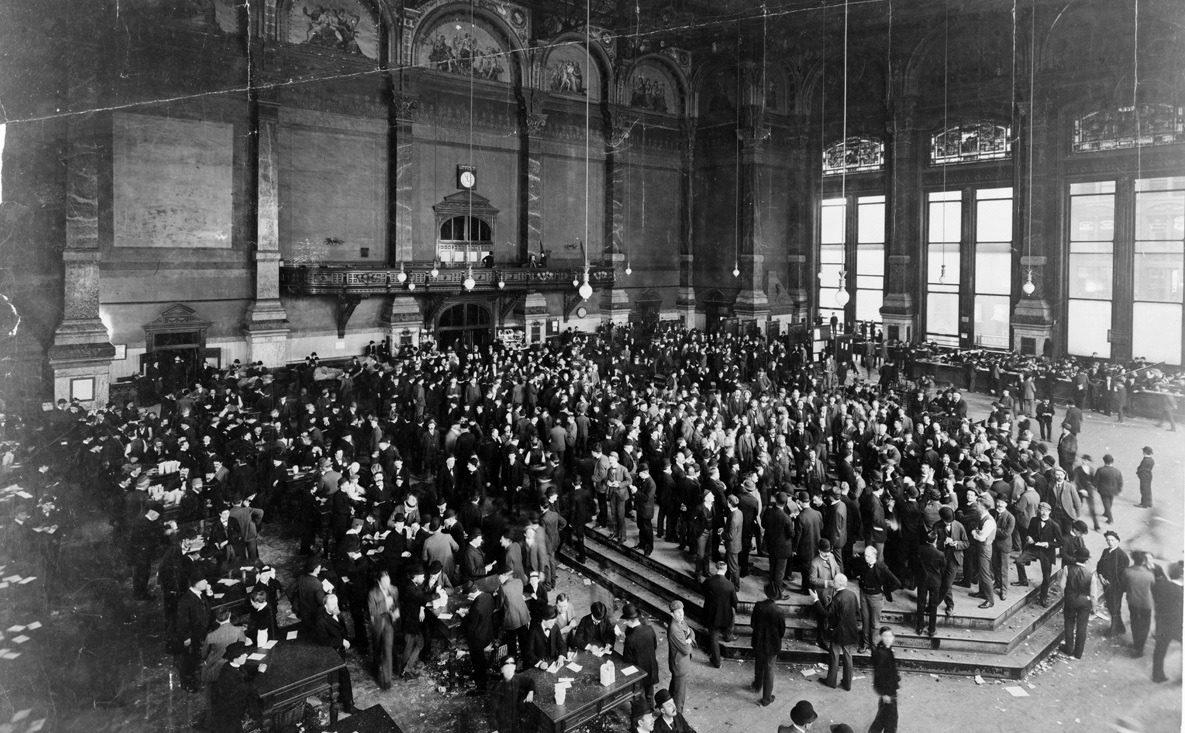
In 1848, grain merchants banded together to establish the Chicago Board of Trade (CBOT), creating America’s first trading floor for grain futures. For its first decade of operation, trading privileges were strictly reserved for registered members.
In 1859, the city granted CBOT a formal charter along with legal authority to inspect and grade grain. Soon after, the exchange established a standardized grading and inspection system, transforming a chaotic marketplace into an orderly national industry.
Most notably, the Chicago Board of Trade pioneered standardized forward and futures contracts—financial innovations that proved foundational to the global economy. These instruments allowed Midwest farmers to lock in prices in advance and safeguard their operations against volatile harvest seasons and price shocks.
In 1885, a grand new headquarters for the Chicago Board of Trade opened on LaSalle Street. Over the following decades, the institution evolved into the preeminent futures exchange in the world.
Skyscrapers and the “Canyon” Effect: The Architecture of LaSalle Street
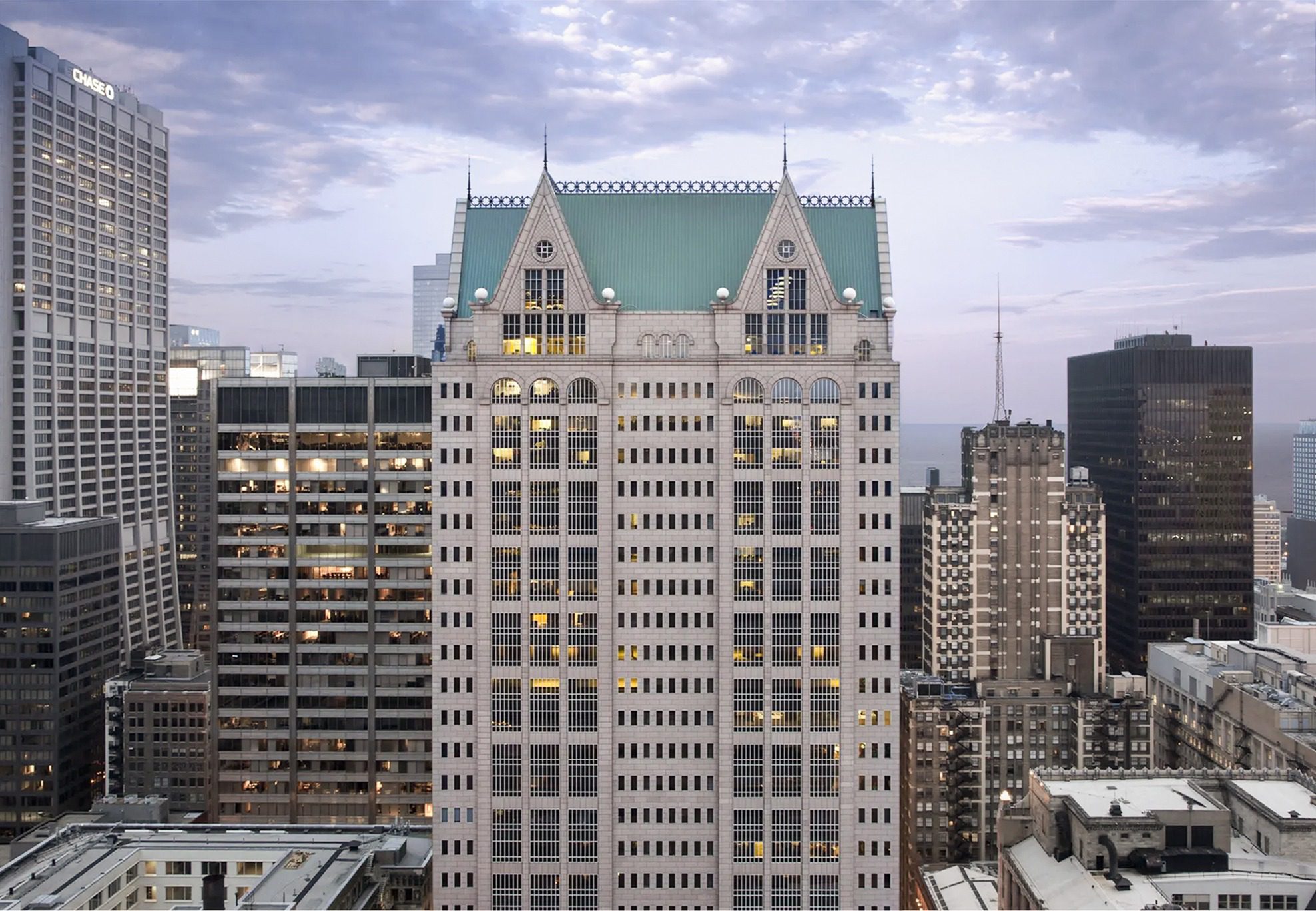
Prominent banks and exchanges erected grand monuments to project stability, prestige, and sheer financial muscle. Clustered tightly along the relatively narrow corridor, LaSalle Street’s towering high-rises create an iconic “urban canyon” effect right in the heart of downtown Chicago.
While high-rises dominate the streetscape, the standout in height is the historic One North LaSalle Building. Standing 49 stories tall, this skyscraper long defined the skyline. LaSalle Street showcases a diverse architectural tapestry spanning Art Deco, Neoclassical Revival, Romanesque Revival, and the hallmark Chicago School.
Architectural highlights along this financial thoroughfare include the Chicago Board of Trade Building, the LaSalle National Bank Building, City Hall, the James R. Thompson Center, and Frank Lloyd Wright’s remodeled masterpiece, The Rookery Building.
Interestingly, LaSalle Street was also home to one of Chicago’s few river tunnels in the 19th and 20th centuries. During the Great Fire of 1871, the subterranean passage served as a critical escape route for fleeing residents. Originally, it catered only to pedestrian and carriage traffic.
After closing in 1906, the tunnel was rehabilitated five years later for electric streetcars. It was permanently decommissioned in 1939 to make way for the construction of Chicago’s subway system.
The Modern Face of LaSalle Street: Powerhouses Shaping Its Business Landscape
Although the era of open-outcry trading pits has faded, LaSalle Street remains a vital nerve center of business in Chicago. Today’s commercial ecosystem features far more than global banks and exchanges; it is driven by top management consultancies, elite law firms, and cutting-edge tech scale-ups.
For well over a century, LaSalle Street stood unchallenged as the city’s premier corporate corridor. That dynamic shifted significantly with the onset of COVID-19 and the widespread shift toward remote work. Beginning in 2020, numerous corporate tenants downsized their physical footprints to curb escalating office-overhead expenses.
In response, the City of Chicago launched an ambitious urban renewal plan in 2023 to revitalize the corridor. Central to the initiative was a plan to convert vacant historic office space into residential units, projecting more than a thousand new apartments along the financial thoroughfare.
To draw private developers and investment, city hall introduced targeted subsidies and financial incentives. In return, developers must designate at least 30 percent of all converted units as affordable housing. A prominent early success in this adaptive-reuse wave is The Bellwether development. Alongside residential conversions, public planners are enhancing streetscapes with green spaces, pedestrian corridors, and retail amenities.
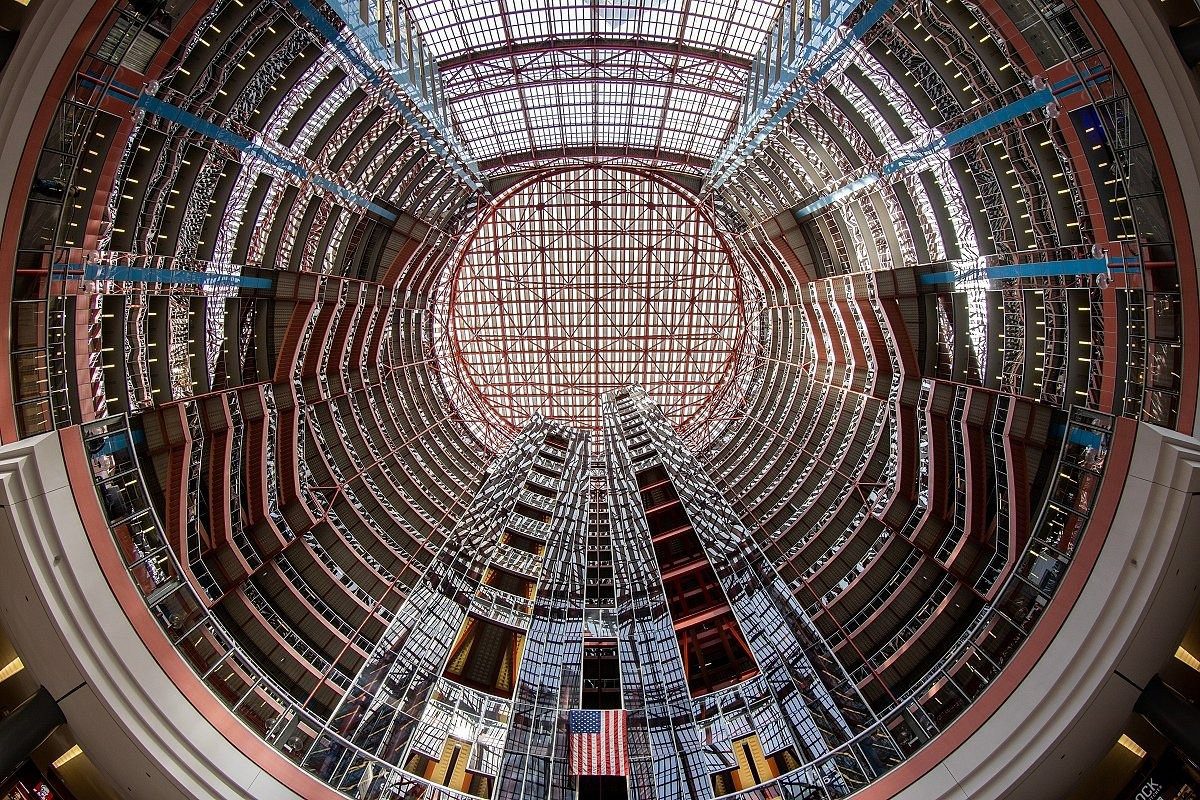
A major catalyst for economic resurgence has been the redevelopment of the James R. Thompson Center. The striking 1985 building was purchased by Google, which set out to convert the landmark into a modern corporate tech headquarters. The tech giant’s presence is spurring secondary business activity, generating jobs, and fueling residential demand downtown.
Beyond residential adaptive reuse, leading fintech and software innovators—such as Enfusion, NinjaTrader Group, and Donnelley Financial Solutions (DFIN)—continue to anchor operations on LaSalle Street. The legal sector also maintains a deep footprint, with heavyweights like Buchalter and Akin Gump Strauss Hauer & Feld remaining long-standing cornerstone tenants.
Real Estate Revitalization and the “LaSalle Street Reimagined” Initiative
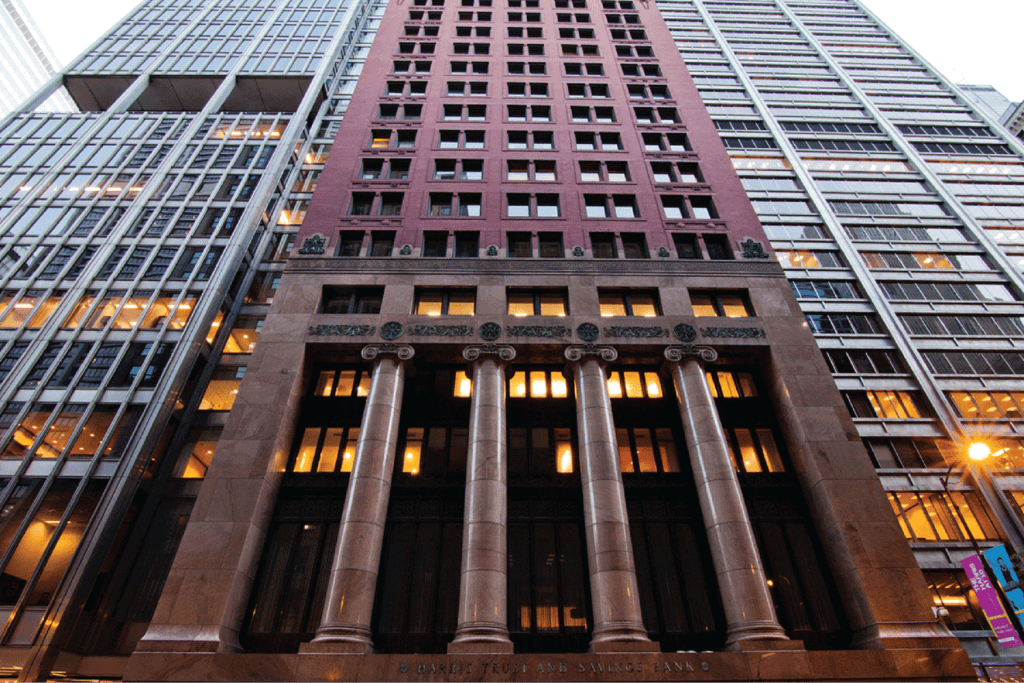
Chicago’s landmark municipal initiative, “LaSalle Street Reimagined,” is designed to reshape the monoculture of a pure financial enclave into a vibrant, mixed-use downtown neighborhood. The city, together with development partners, has channeled millions of dollars into converting outdated office towers into modern residences, affordable apartments, and boutique hotels.
Prominent real estate leaders such as Capri Investment Group and The Prime Group are leading this transformation, breathing fresh life into historic landmarks. Flagship examples include the conversions of 111 W. Monroe St. and 208 S. LaSalle St., which will deliver hundreds of residential units and extensive ground-floor retail.
The “LaSalle Street Reimagined” program does more than preserve Chicago’s architectural heritage—it is reinventing a formerly 9-to-5 corporate corridor into a bustling, 24/7 urban community filled with modern residences, dynamic retail spaces, and vibrant streetfront dining.