

Chicago is one of the original historic soccer strongholds in the U.S. The history of this sport in the city is deeply rooted in the 1800s. As it turns out, residents learned about and began playing soccer thanks to European immigrants, writes chicago1.one.
How It All Began
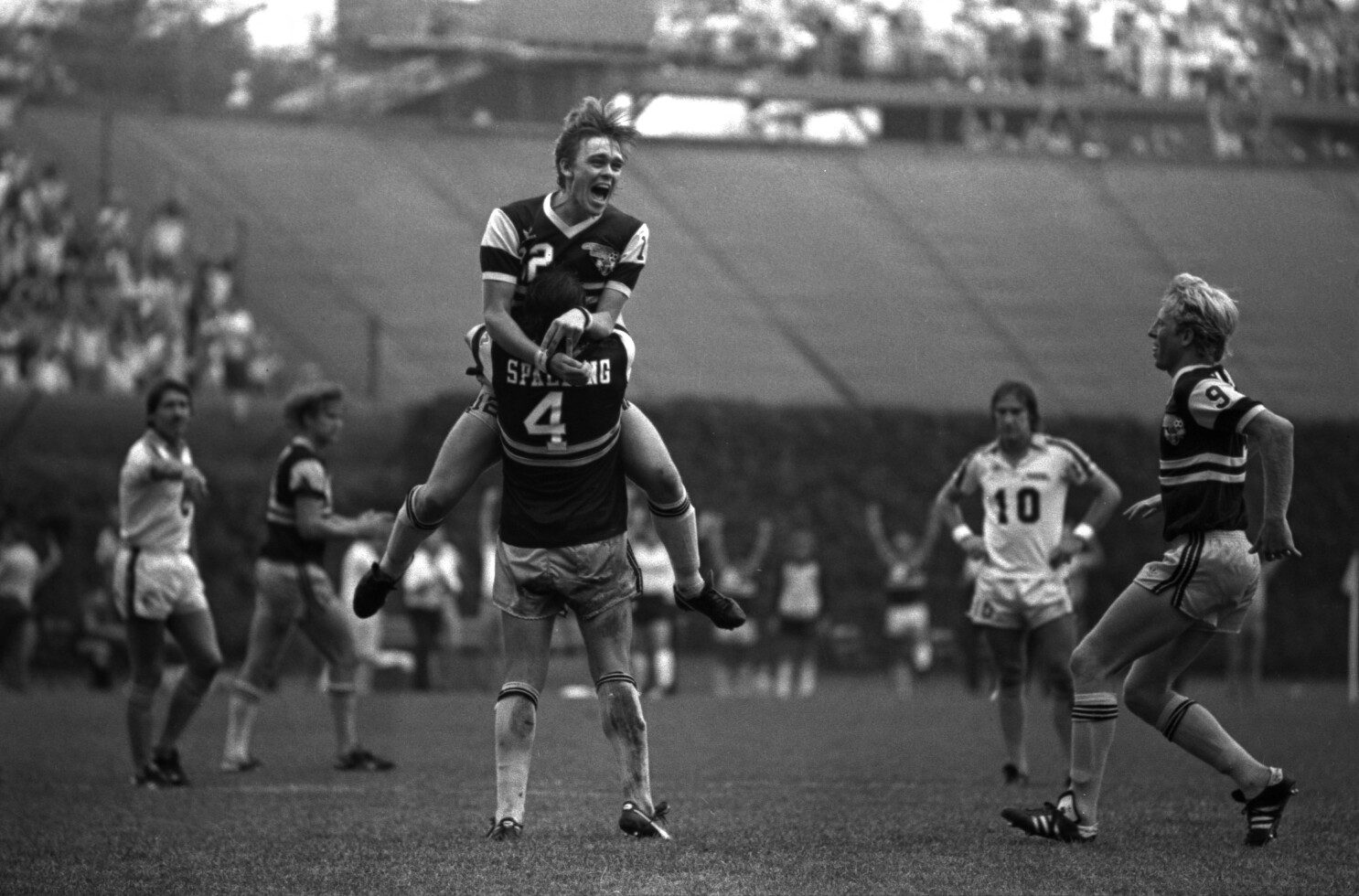
In the spring of 1883, the “Wanderers” and “Pullman Car Works” soccer teams took to the pitch at the sports complex on Lake Calumet in Pullman. This marked the start of the first season for the newly organized Chicago League of Football Associations (CLFA), which included seven teams, such as the Wanderers, Calumet, and Lake Shores. British and Canadian immigrants had played soccer in the city for many years, but with the creation of the CLFA, Chicago’s widespread involvement in the sport gained national and international recognition.
Since its founding, the CLFA thrived under the leadership of its first president, Charles Jackson. Public interest grew as prominent newspapers reported on the increasing number of teams, their rosters, and results. Early teams played two seasons a year, participated actively in friendly matches with soccer clubs from other cities, and annually competed for the Jackson Challenge Cup trophy. In 1901, to capitalize on soccer’s popularity, Charles Comiskey founded a professional Midwest soccer network with teams from Chicago, Detroit, St. Louis, and Milwaukee. However, things didn’t go as planned. Funding dried up mid-season, and the league dissolved. Despite this setback, the game flourished, and the Chicago Football League Association was established in the city in 1904.
Soccer’s Inclusion in Schools and Universities
In 1920, the International Soccer League (ISL) was formed, bringing organization and regulation to various teams. The amateur teams of the 19th century—such as Sparta, Green-White, and Maroons—which originated from clubs, became popular in the ISL. It is worth noting that the well-known National Soccer League claims the title of the country’s oldest organized soccer league. The introduction of soccer into the city’s educational institutions began in 1911. That’s when brothers Archibald and Alexander Peterson introduced the sport into two city high schools—Englewood and Lane. Except for a brief downturn in 1936, when financial difficulties allowed only two schools to field teams, high school soccer gained immense popularity. By the end of the 20th century, it had more participants than any other sport in the city. Local universities also sponsored soccer. In 1910, the University of Chicago actively played against the University of Illinois; in 1928, the latter suggested making soccer a primary sport. Wheaton College was long a leading soccer hub among educational institutions, fielding a team of top players for various matches starting in 1935.
The Rise of Amateur Leagues
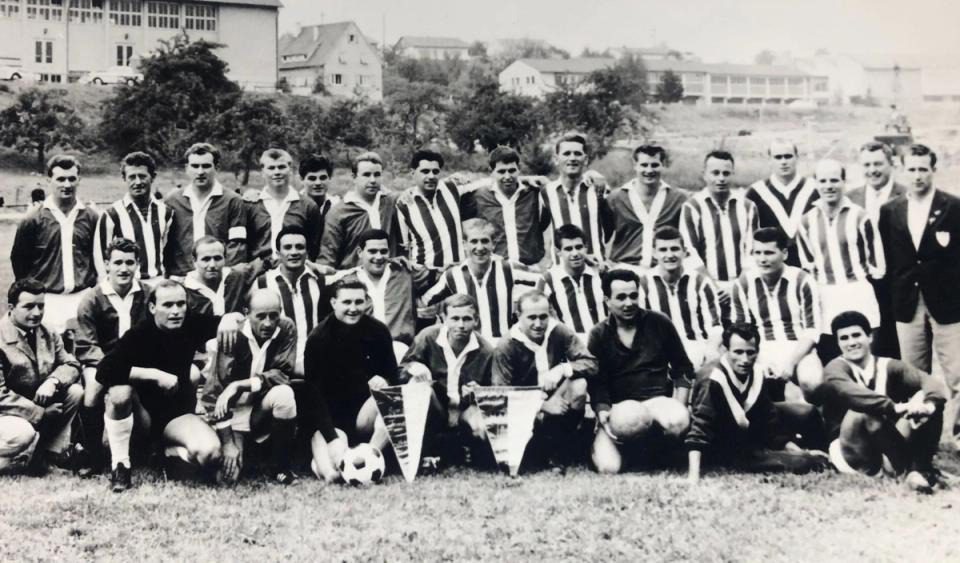
As in many other cities, Chicago clubs were primarily organized along ethnic lines, meaning their rosters included players of different nationalities. Seeking to broaden the base of participants, a group of progressive organizers founded the International Soccer League, with Frank Foldi as its first president. The Communist Labor Sports Union also operated under it, hosting an open soccer championship at the 1932 Workers’ Olympiad in Chicago. Many teams met in the final that year. In 1924, Chicago native Carl Johnson from the “Swedish-Americans” team became the first local player to be named to the national team.
In the 1920s and 1930s, the International League was popular among Central European and Scandinavian communities, while the Chicago League and others primarily served Irish and British ethnic enclaves. To strengthen their base, they established youth and junior teams. Coupled with the increasing number of immigrants arriving from outside the British Isles, this led to the consolidation of smaller leagues. By the late 1930s, only the International and Chicago Leagues remained, and they eventually merged in 1938 to form the National Soccer League of Chicago.
Foreign teams were a common sight in that era. Notable among them were Vienna’s “Hakoah” and Prague’s “Sparta.” Naturally, the foreign teams often won, but the Chicago clubs also performed well and kept pace. In 1934, Julius Hjulian of the “Chicago Wonder Bolts” made the national team and played for the U.S. in a World Cup qualifying match.
Another major team was “Sparta A.B.A.”, which dominated the Chicago scene in the 1930s. They reached the Western finals of the National Challenge Cup and were Chicago League champions seven times in a row.
The war negatively affected soccer, as many players left to serve the country, leaving the league in decline. After the end of World War II, the NSL regained strength, largely thanks to the influx of returning players. By 1947, it became the largest amateur league in the country. Its division included 42 senior, 12 reserve, and 5 youth teams. Soon after, the NSL introduced a summer playing season for the first time, lasting from April to November.
Professional Soccer in Chicago
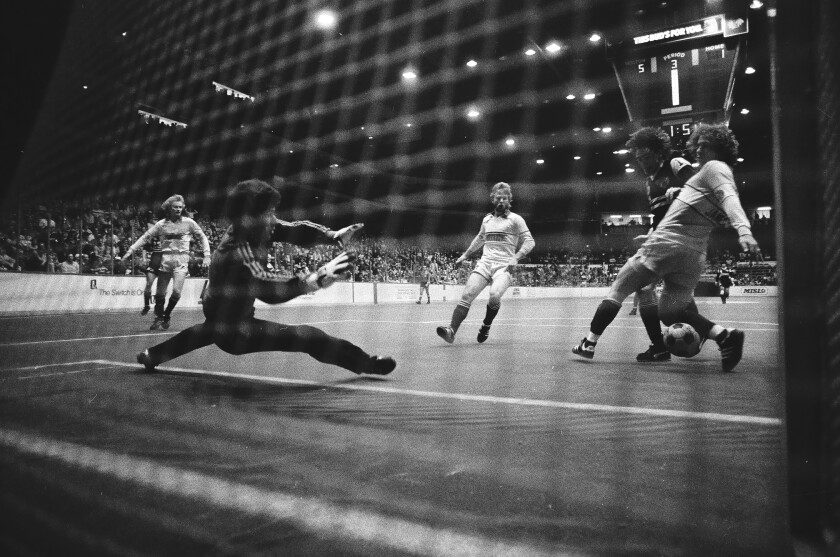
Professional soccer began to develop in the city in 1967, and by 1968, the North American Soccer League (NASL) was formed, led by Fred Weisman of Chicago. It included six leading teams. During that era, the “Chicago Sting” easily won two championship titles. Professional soccer returned to the city in 1998 with the launch of the “Chicago Fire” team, which won the league championship and the Dewar Cup in its inaugural season.
Beginning in 1905, when the “Pilgrim” soccer club from England played against a Chicago team, international soccer clubs frequently chose Chicago as a primary venue for matches featuring the world’s best players. Notably, Chicago clubs played—and won—against teams from London, Vienna, Prague, Scotland, and Liverpool. At the unforgettable 1959 Pan American Games, the U.S. national team secured victories over Brazil and Mexico. Chicago hosted the 1994 FIFA World Cup and the 1999 Women’s World Cup.
It is important to highlight that in 1924, Chicago resident Peter Peel sent the first U.S. Olympic soccer team to Paris. Since then, the city has consistently provided players, managers, and coaches for most U.S. Olympic teams. Some of the greatest players of their time honed their skills on Chicago soccer fields.
Although soccer was long ignored by the media, it remains the most popular participatory sport in Chicago. It is worth noting that the Illinois Soccer Commission, founded in 1916, coordinates over 600 women’s teams, and over 2,000 Chicago youth teams actively compete in the Illinois Youth Soccer Association.
In conclusion, soccer in Chicago enjoys great popularity and continues to grow each year. The city is home to many professional and amateur teams that proudly earn success, titles, and recognition worldwide.