

Columbia College is one of the oldest private educational institutions in Chicago that has an interesting and rich history. As reported by chicago1.one, over the years of its operation, the college has produced many talented writers, artists and poets.
Founding of Columbia College
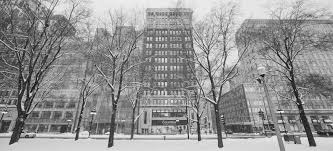
The college was founded in 1890 under the name Columbia School of Oratory. The founders of the college were Mary Blood and Ida Morey Riley, who had successfully completed their studies at the Boston Conservatory of Oratory. They became the first heads of the college.
At that time, Chicago was preparing for the World’s Columbian Exposition, so Mary Blood and Ida Riley were convinced that the city needed talented orators. With this goal in mind, they opened the Columbia School, which had to uphold high ideals and use the Gospel in their learning methods. It is worth noting that Mary Blood was in charge of the school until her death in 1927.
The school remained in private ownership until 1904. However, in May 1904, the institution changed its name again to Columbia College of Expression. In addition, the academic program was expanded.
The founder of the college, Mary Blood, passed away in 1927, and George Scherger took over as president. The following year, he made a decision to rename the educational institution in honor of its founder, the Mary A. Blood School of Speech Arts.
The college worked under the new name for two weeks. In April 1928, the educational institution was called the Columbia College of Expression again. During Scherger’s presidency, the college focused on the development of pedagogics. In particular, the institution merged with the Pestalozzi-Froebel Teachers College. The new cooperation resulted in the creation of a family school at Columbia College. There, preschool teachers were trained. The educational institution introduced several new training programs, including radio broadcasting, education and dramatic arts.
However, the cooperation did not last long. In 1944, Columbia College stopped working with the Pestalozzi-Froebel College.
The post-war period
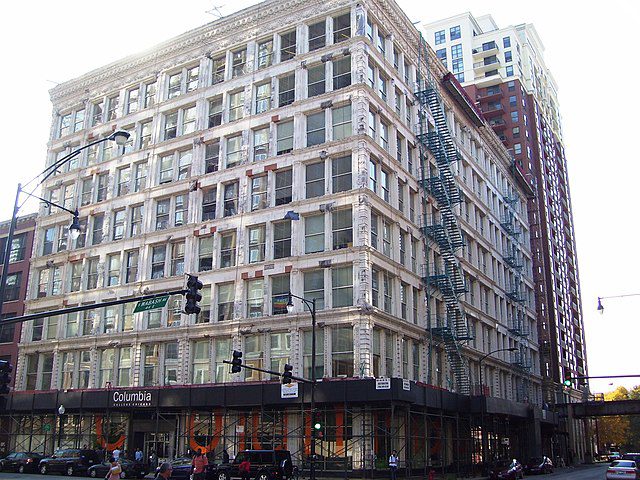
With the emergence of radio and its growing popularity worldwide, the college decided to focus on developing a radio broadcasting training program. That is why the educational institution invited radio programming expert Norman Alexandroff. The years 1934-1936 were quite challenging for Columbia College, which acutely experienced a lack of funding.
After the end of World War II, Alexandroff headed the educational institution. He decided to introduce new disciplines at the college that would be in demand among war veterans. From 1945, students could study advertising, television and cinematography.
Overall, Columbia College had one of the best periods in its history after the war. The study areas were significantly expanded. The institution opened additional campuses, Columbia Los Angeles in other American cities and College Pan-Americano in Mexico. However, ten years after their creation, the campuses separated from the alma mater and began independent educational activities.
Columbia College’s heyday did not last long. By the early 1960s, two hundred students were studying at the educational institution and only 25 teachers were working there.
In 1961, Mike Alexandroff was appointed as the president of Columbia College. He placed special emphasis on arts and sociology. In particular, new programs were developed for media and art disciplines.
The new president intended to merge Columbia College with Roosevelt University. However, the chancellor of the university, Edward Sparling, strongly opposed this idea. In his opinion, the college could not coexist with such a prestigious institution like Roosevelt.
The refusal prompted M. Alexandroff to change the admission rules. In fact, anyone could enter the educational institution. The reason for this was the low tuition costs and the opportunity to study advanced artistic specialties.
The modern stage in the history of Columbia College
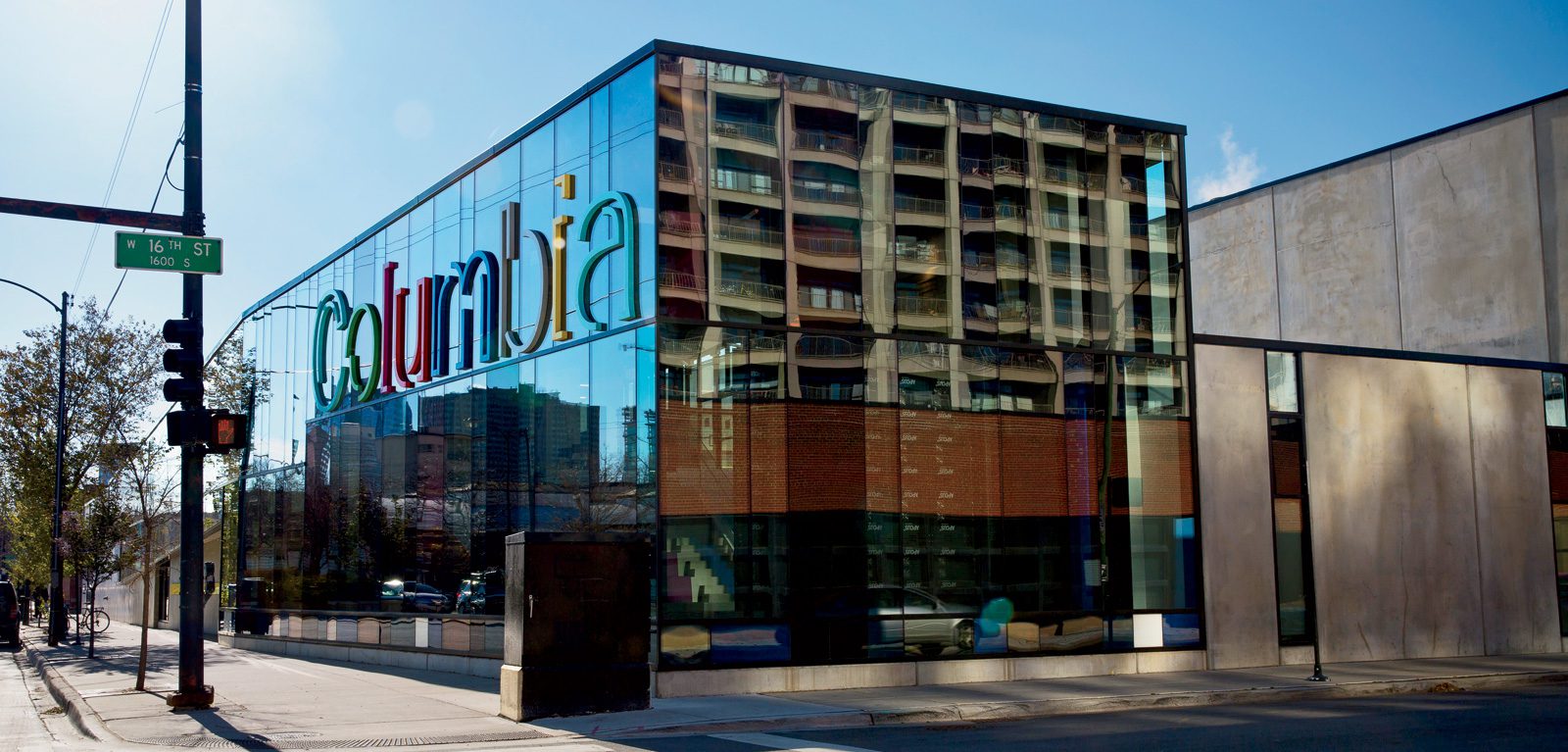
In 1992, the institution was headed by John Duff. Once again, the institution was officially renamed Columbia College Chicago. In the educational process, attention was primarily focused on design and digital solutions.
In 2000, Warrick L. Carter became the director of Columbia College and implemented his own innovations in the institution. The most famous of them were Manifest and ShopColumbia.
Manifest is a student festival held every year where the works of college graduates are showcased. In ShopColumbia, you can buy various souvenirs and clothing with the logo of the educational institution.
In 2013, Kwang-Wu Kim became the president of Columbia College. He tried to improve creative practice and implement new training methods for artists. The Doctor of Musical Arts, Kim, personally oversaw a radical change in the curriculum and set himself the task of making the college an anti-racist institution. During his presidency, the Student Center was built.
Columbia College’s most famous campus
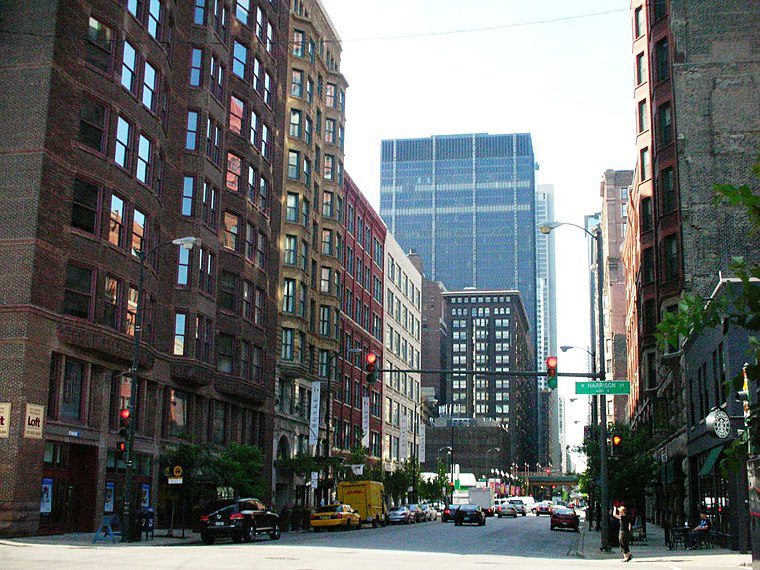
One of the oldest campuses of Columbia College is Alexandroff Campus Center. The main building of the educational institution was built by architect Christian Eckstorm in 1906. He specialized in the design of industrial facilities.
At that time, the Alexandroff Campus Center building resembled a modern skyscraper. The 15-story campus was equipped with elevators and electric lighting. Each floor of the building was designed to maximize the illumination of all office spaces.
Alexandroff Campus Center is an example of a neoclassical style. The building is decorated with a large number of stone details. The campus foyer is made of authentic marble. Alexandroff Campus Center is the main and first campus of Columbia College.
At the beginning of the 20th century, the building belonged to the Fairbanks-Morse company, specializing in locomotive and agricultural machinery manufacturing. Columbia College bought the premises in 1975. Initially, classrooms, auditoriums and studios were set up on the campus.
However, the college kept growing and built new buildings. Therefore, by the early 1990s, Alexandroff Campus Center’s function was changed. It now serves as the administrative center of the educational institution. The campus also houses the Museum of Contemporary Photography, Ferguson Memorial Theater, classrooms and professional television studios.
Some mistakenly believe that Columbia College is a branch of Columbia University or Columbia College Hollywood, but this is not true at all. Columbia College Chicago is an independent educational institution with its own unique history and traditions.
It is worth noting that the institution has an extremely significant impact on the creative atmosphere of Chicago. Graduates of Columbia College get jobs in popular television shows in Chicago. Students majoring in computer games and digital design are sought-after specialists in the city’s leading companies.