

Modern Chicago is a city with a highly developed industrial sector and numerous active businesses. However, during and after World War II, many industries experienced both collapse and rapid growth. It is noteworthy that in 1947, Chicago was the country’s manufacturing capital and railway hub, and it led the nation in the production of meat, iron, steel, communication equipment, confectionery, and commercial printing, according to chicago1.one.
Land Allocation for Industrial Enterprises
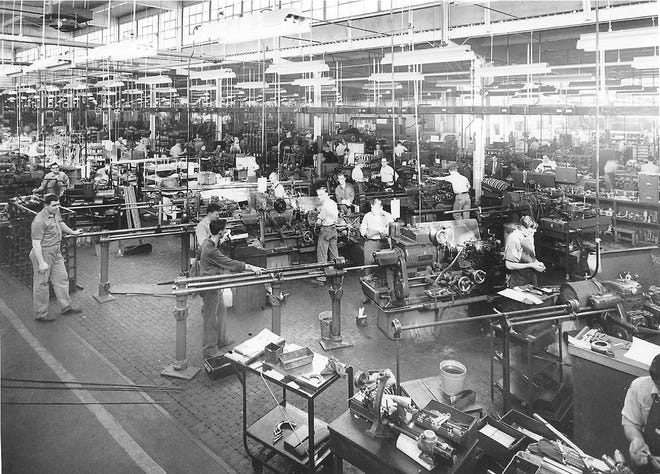
In the post-war period, it seemed that nothing could threaten the city’s industrial economic future. In the five-year period from 1946 to 1951, 204 large industrial projects totaling $131 million were constructed in Chicago, while the suburbs saw about 143 projects worth $229 million. As a result, Chicago became a leader among other metropolises in terms of the volume of various goods produced. Between 1947 and 1951, local corporations erected over 800 industrial buildings, 443 of which were factories totaling 13.4 million square feet.
By the end of this era, 8,000 acres of land had been allocated for industrial needs in the city, excluding railway lines, which accounted for 16.2 square miles in Chicago—exceeding the area used for industrial and manufacturing purposes. Despite such impressive figures, the city’s industrial base began to decline in the 1930s. The food, garment, and furniture industries gradually reduced their output. On the eve of World War II, these three sectors accounted for 25% of all industrial workers in the city. By 1947, they represented 18%, and ten years later, less than 16%. In the 1970s, the once-massive garment industry employed only about 7,000 people. Many clothing manufacturers moved South where wages were very low. Eventually, Asian manufacturers took the lead in the American footwear and clothing markets. The few companies that remained in the city attempted to introduce new manufacturing methods to reduce labor costs.
The Decline of Manufacturing
Following the Great Depression and World War II, the furniture industry also went into decline. Many businesses relocated to the South, particularly North Carolina and Virginia, where raw materials were abundant. In the late 1970s, the legendary Chicago Furniture Mart was sold and later converted into lakeside condominiums on the North Side. As of 1997, none of the largest furniture manufacturers were based in Illinois.
After 1950, Chicago faced several problems related to the development of its industrial base. Much of the manufacturing was housed in very old, dilapidated buildings, and demand exceeded the amount of available land. About 17% of the industrial buildings in the city in 1952 were constructed as far back as 1900. Nearly all industrial enterprises were squeezed into multi-story structures, surrounded by partially empty outbuildings. Chicago had over 6 million square meters of vacant space, mostly in older buildings. It is important to note that most of the vacant real estate was poorly located, small in size, or held mixed ownership. Overcrowded streets and a lack of housing for working-class families negatively affected the full development of industry. As of 1952, approximately one-third of all industrial establishments were located in residential and commercial areas. Chicago’s complex railway system also segmented the city into isolated zones, and railway crossings hampered the growth of post-war automobile traffic, making it unsurprising that many businesses moved to the suburbs.
In Chicago, city officials had designated about 4,000 acres of land for industrial sites, but these varied in size, condition, and distribution. About 1,000 acres were near Lake Calumet, but this area required waste isolation before it could be developed. Railroads owned 1,600 acres of land but forced industries located on their property to use rail transport for shipping goods. Most businesses refused to do this as trucks became increasingly popular.
Another problem was linked to urban renewal plans, especially highway construction. In the early 1950s, planners estimated that the construction of the Congress Expressway would displace 59 West Side manufacturing firms, and the building of the Northwest Expressway would require 225 manufacturing firms to relocate. Thus, most industrial companies began moving to the suburbs and even out of the region.
Steel, Meatpacking, and Candy Production
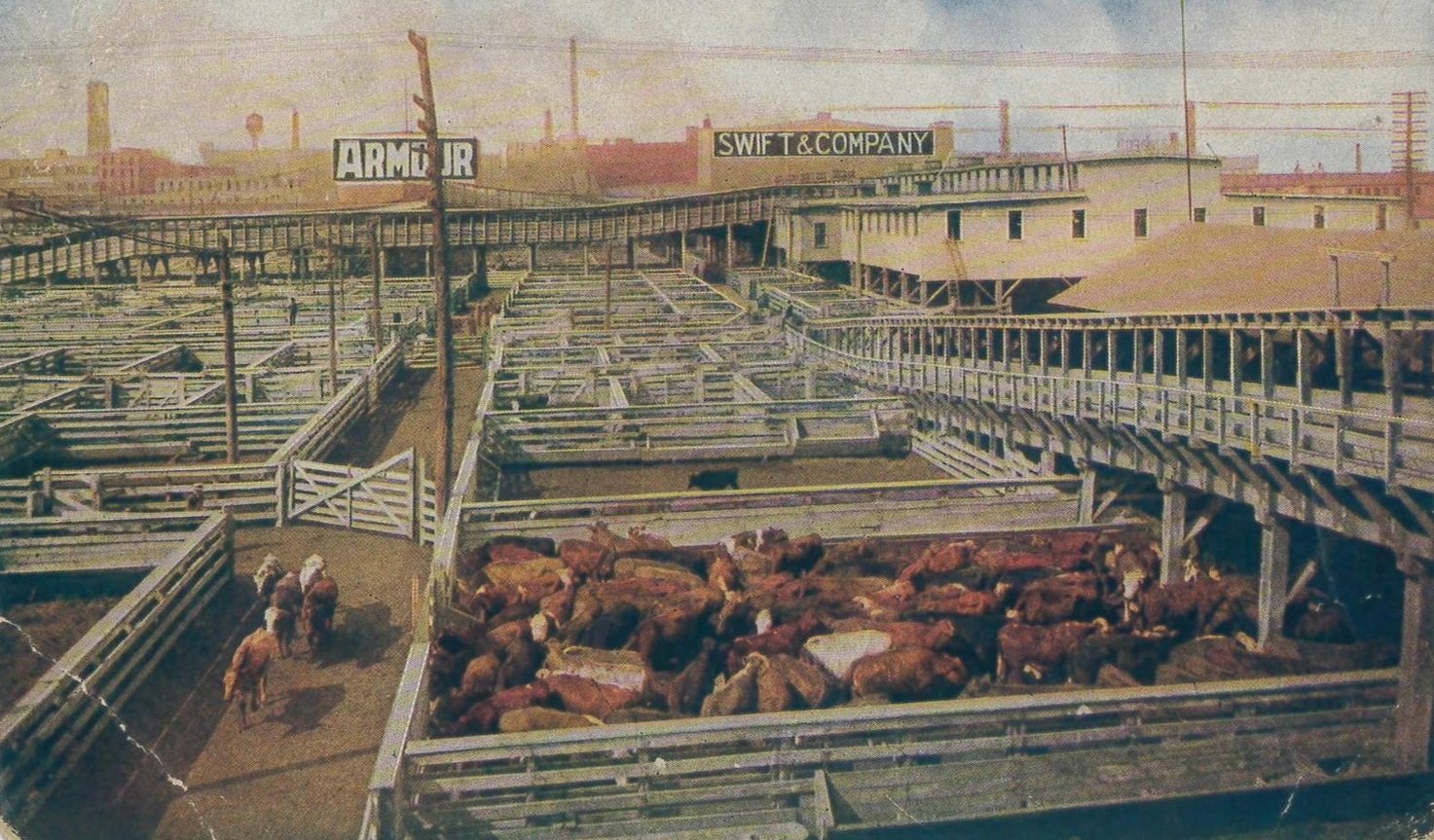
Traditionally, the steel and meatpacking industries held leading positions in Chicago. Steel mills were located in the East Side and South Chicago areas. The first plant in this area, Joseph Brown’s Iron and Steel Works, opened in South Deering in 1875. Five years later, the North Chicago Rolling Mill Company launched its mill at the mouth of Lake Calumet. By 1954, the city’s steel district had become the world’s largest steel producer. The plants of United States Steel Corporation, Inland Steel Company, and others were unparalleled. In 1953, Chicago steel mills produced 22,293,000 tons of ingots.
The meat industry was also important and flourished during World War II, but after the war’s end, it reverted to the declining trend that had persisted since the Great Depression. The Union Stock Yard, which opened in 1865, became the country’s largest livestock market. In 1924, it sold 18.6 million head of cattle, hogs, sheep, and horses. That same year, a record 122,749 hogs arrived for sale in the large, two-story hog house that stretched four blocks from Halsted Street to Racine Avenue. In 1927, Chicago had the country’s largest amount of refrigerated warehousing, as the city continued to dominate the industry.
Despite the metropolis’s advantage over other meatpacking centers, the industry began to undergo changes. From 1923 to 1929, livestock sales revenue dropped by 18%. Furthermore, direct purchases by meatpackers from livestock producers increased. After 1933, the Union Stock Yard no longer received more than 13 million head per year. Soon, figures fell significantly below that and continued to decline until World War II. In 1952, Swift & Company announced it was ceasing operations in Chicago, claiming the local hog market volume was too small and the old buildings were expensive to maintain. This signaled the industry’s eventual total collapse. Many citizens did not consider the loss of the meatpackers a major problem, as the manufacturing base still seemed large, stable, and growing.
Despite the decline of the meat industry, the city still dominated candy production. Over 100 manufacturers in Chicago were involved in their production. In the 1950s, this industry employed about 22,000 people, with an annual payroll of about $86 million. The city attracted industrialists with its large railway network, cheap labor, and easy access to agricultural products.
Continued Deindustrialization
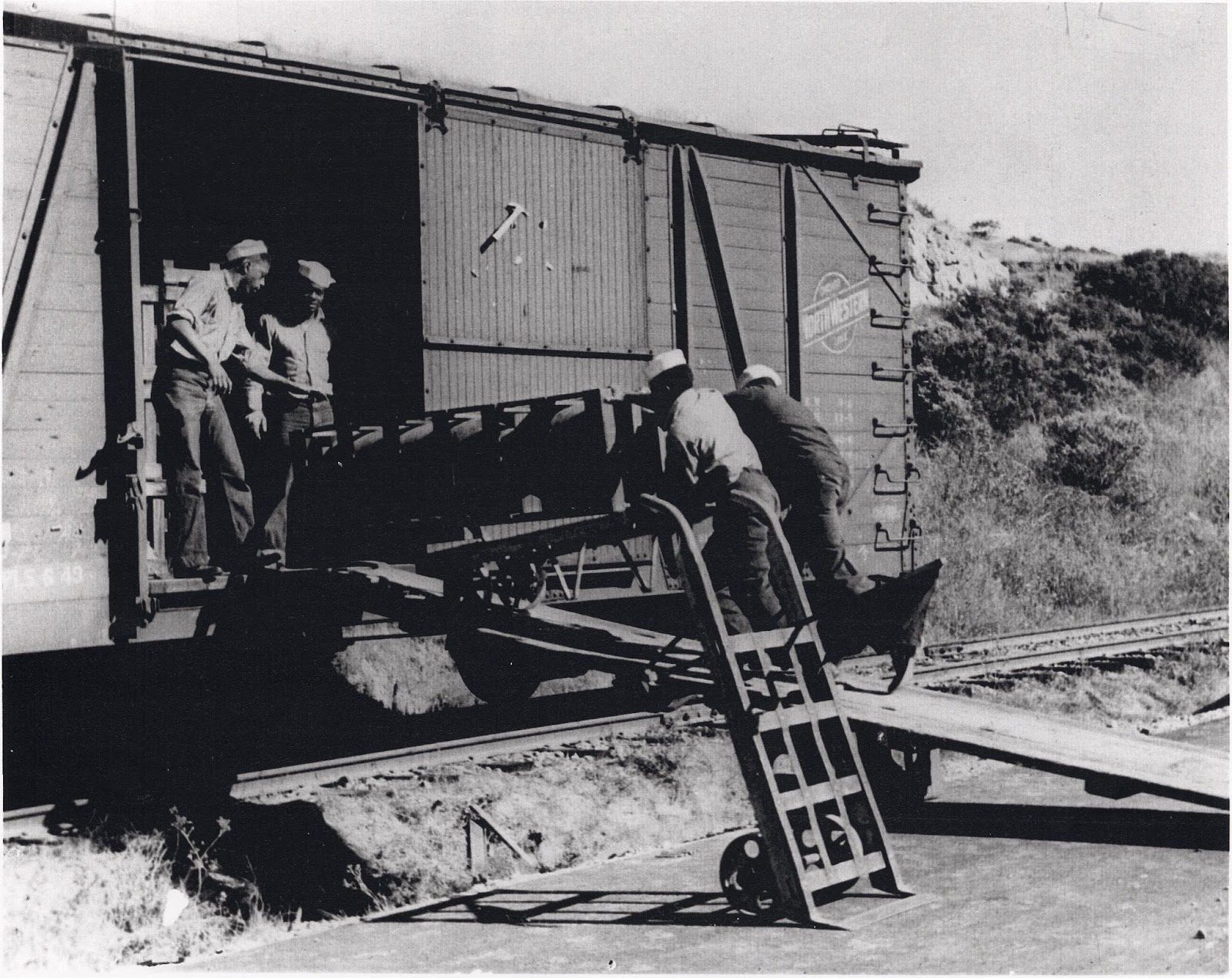
The erosion of Chicago’s and the Midwest’s industrial base began in the late 1940s, though its roots can be traced back to the period of industrial expansion during World War II. At that time, the federal government invested heavily in California and other western and southern states. Taxpayer funds were poured into building military bases and meeting wartime needs. Furthermore, globalization negatively impacted Chicago’s economy and weakened its industrial base.
In the mid-1970s, the American steel industry collapsed. Chicago’s old and inefficient mills failed to compete with newer foreign steel plants. Other industries also soon underwent deindustrialization.
Despite all this, in 2018, Chicago ranked second among manufacturing cities in the U.S., having undergone significant transformation since 1945.